Smart Design Choices for Your First Home That Go Beyond Aesthetics
Young adults investing in their first properties ditch outdated fixtures in favor of sleek, functional appointments. You want spaces that look clean while meeting daily lifestyle demands. Minimalist fixtures now dominate new home renovations across most neighborhoods.
Your home must serve as a practical sanctuary rather than just a visual showroom. You can build this balanced environment by prioritizing hardware that marries modern minimalism with daily safety.
Why Does Intentional Decorating Matter For Young Professionals?
Moving into a new home presents a blank canvas for your personal design ambitions. You want an interior that promotes focus during remote work hours and calm after logging off. Clean lines reduce mental fatigue while keeping your living rooms feeling open.
Selecting streamlined hardware creates a cohesive visual language across your entire floor plan. You avoid the chaotic feeling that comes from mixing disparate design eras and mismatched finishes.
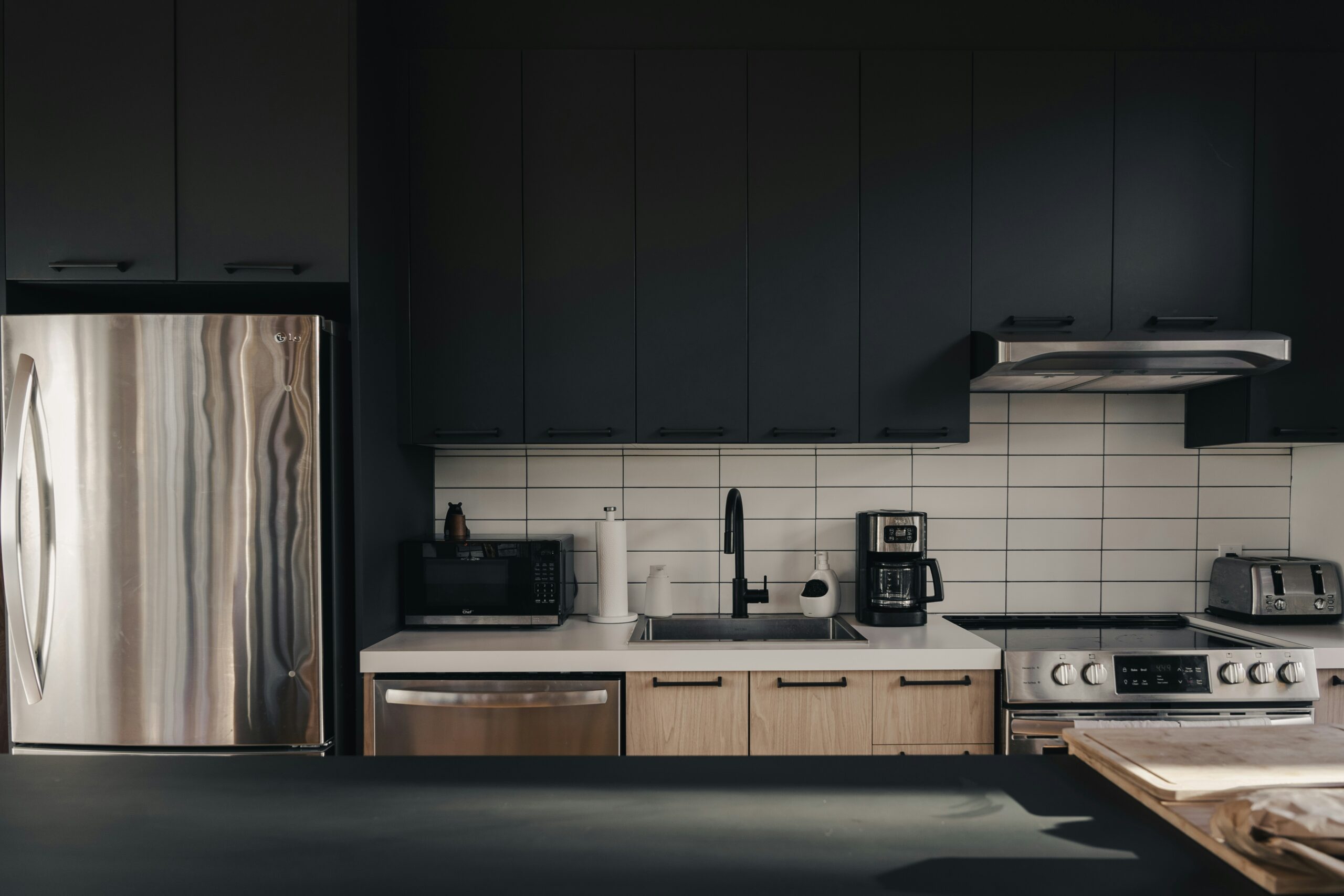
Cohesive cabinet pulls set a peaceful baseline for your daily household routines. You save valuable time on weekend cleaning when your home features streamlined fixtures. Dust settles quickly on ornate carvings and complex trim.
How Do You Design With Pets In Mind?
Four-legged companions require special consideration when you plan your interior layout. You must anticipate their daily movements to prevent accidental property damage and spills. Designing for pets means choosing resilient materials that withstand frequent cleaning.
Savvy pet owners look for durable finishes that resist daily wear. You can integrate pet-friendly elements seamlessly without sacrificing your aesthetic:
- Select durable flooring: Hardwood alternatives resist sharp claw marks better than traditional timber.
- Choose performance fabrics: Sofas wrapped in tight synthetics repel stubborn stains and resist snagging.
- Hide feeding stations: Built-in lower cabinet drawers conceal pet bowls to keep walkways clear.
You create a peaceful home when your space thoughtfully accommodates human and animal needs. Thoughtful floor plans prevent frustration over stained rugs or scratched baseboards. Your pets appreciate the comfortable, secure spaces you carve out just for them.
What Does A Hazard-Free Nursery Look Like?
Designing a room for an infant demands a strict focus on hidden household dangers. You must scrutinize every corner of the space from the vantage point of a crawling toddler. Heavy dressers require sturdy wall brackets to prevent tipping accidents during climbing attempts.
Traditional window treatments present a serious hidden danger in childhood bedrooms. Parents upgrading old manual blinds often install cordless cellular shades to remove dangling cords from the reach of children. This hardware swap provides lasting peace of mind while creating a modern aesthetic across nursery windows.
Childproofing requires inspecting electrical wall outlets and closet doors for pinch points. Soft edge guards protect wobbly toddlers from sharp furniture corners during their first steps. Taking these measures early creates a secure sanctuary where your child rests comfortably.
Upgrading To Modern Residential Safety Standards
Buying an older home often means inheriting obsolete hardware that fails current safety expectations. You should audit your new property for potential hazards before moving bulky furniture into the rooms. Outdated electrical plugs and loose stair railings require immediate attention during your move-in phase.
Guidance shared by the American Academy of Pediatrics notes that eliminating operating cords removes hazardous strangulation risks throughout living areas. You protect your family members by replacing obsolete window blinds with safe, modern alternatives. Modern standards prioritize passive safety features that protect occupants without requiring constant active management.
Replacing outdated fixtures brings your property into alignment with contemporary building practices. You increase the long-term resale value of your investment by making these safety updates right away. Future buyers appreciate the foundational safety work you complete during your first year.
Why Should You Prioritize Indoor Air Quality?
Microscopic airborne particles accumulate quickly in tightly sealed modern homes without sufficient ventilation. You breathe these trapped pollutants constantly while working from home, cooking meals, and sleeping at night. Protecting your long-term respiratory health requires an active approach to your indoor environment.
You can actively manage the contaminants floating through your living spaces with straightforward daily practices:
- Balance indoor moisture: Keeping humidity levels below 50 percent prevents mold growth in bathrooms.
- Upgrade furnace filters: High-efficiency pleated filters capture fine dust particles before they circulate.
- Ventilate kitchen spaces: Running range exhaust hoods vents harmful cooking byproducts directly outside.
Findings from the U.S. Environmental Protection Agency indicate that outdoor air infiltrates homes through small openings, joints, and cracks around windows and doors. You directly reduce the volume of dirty air entering your living areas by sealing these structural gaps.
Balancing Clean Minimalism With Daily Functionality
Achieving a clean interior should never complicate your basic household chores or morning preparations. You need a living space that supports your daily lifestyle rather than demanding continuous maintenance. Minimalist design strips away the non-functional while amplifying the practical components of each room.
You achieve this balance by selecting multi-purpose furniture pieces and integrated storage systems. Concealed cabinets and lift-top coffee tables keep daily items neatly organized and out of plain view.
Your living spaces remain visually quiet and spacious while still housing your personal belongings. Every new fixture you install must earn its spot through dependable daily utility. You reject ornate decorative hardware that catches on clothing or requires complicated polishing routines.

Making Strategic Upgrades On A First-Time Budget
Renovating an entire residence quickly exhausts new buyers who hold modest post-closing cash reserves. You must prioritize home improvement projects that deliver the highest functional return on investment first. Tackling 1 room at a time keeps your budget predictable while reducing renovation fatigue.
Focus your initial capital on the spaces where your household spends the most waking hours. Kitchens and central living rooms usually demand attention long before secondary guest bedrooms. You maximize your daily enjoyment by upgrading high-traffic zones right after closing on your loan.
Allocating $500 toward minor hardware updates yields impressive visual transformations without breaking your bank account. Swapping out worn cabinet handles refreshes an entire kitchen without the high cost of a full remodel.
You set the foundation for years of comfort by carefully selecting hardware that marries clean-lined minimalism with hazard-free functionality. Every intentional choice transforms your new purchase into a personalized, highly efficient home.
Taking the time to address hidden hazards and energy leaks pays off immediately in peace of mind and lower utility bills. You move forward confidently knowing your living space supports your daily routines and your family.