The Textured Wall Trend That's Bringing More Personality Into Homes
You walk into a modern living room, and the walls look flat and sterile under overhead lighting. Standard latex paint in satin or eggshell coats drywall in a uniform shade, leaving your space feeling cold.
You can bring organic luxury into your living spaces by choosing light-reactive wall finishes instead. Hand-applied mineral applications replace synthetic coatings with tactile dimension, introducing earthy warmth across every room.
Why Are Flat Drywall Surfaces Losing Their Appeal?
Standard drywall creates a uniform background, but rolled latex paint flattens architectural boundaries. Rolling synthetic paint across large rooms produces a static sheet of color that absorbs incoming daylight.
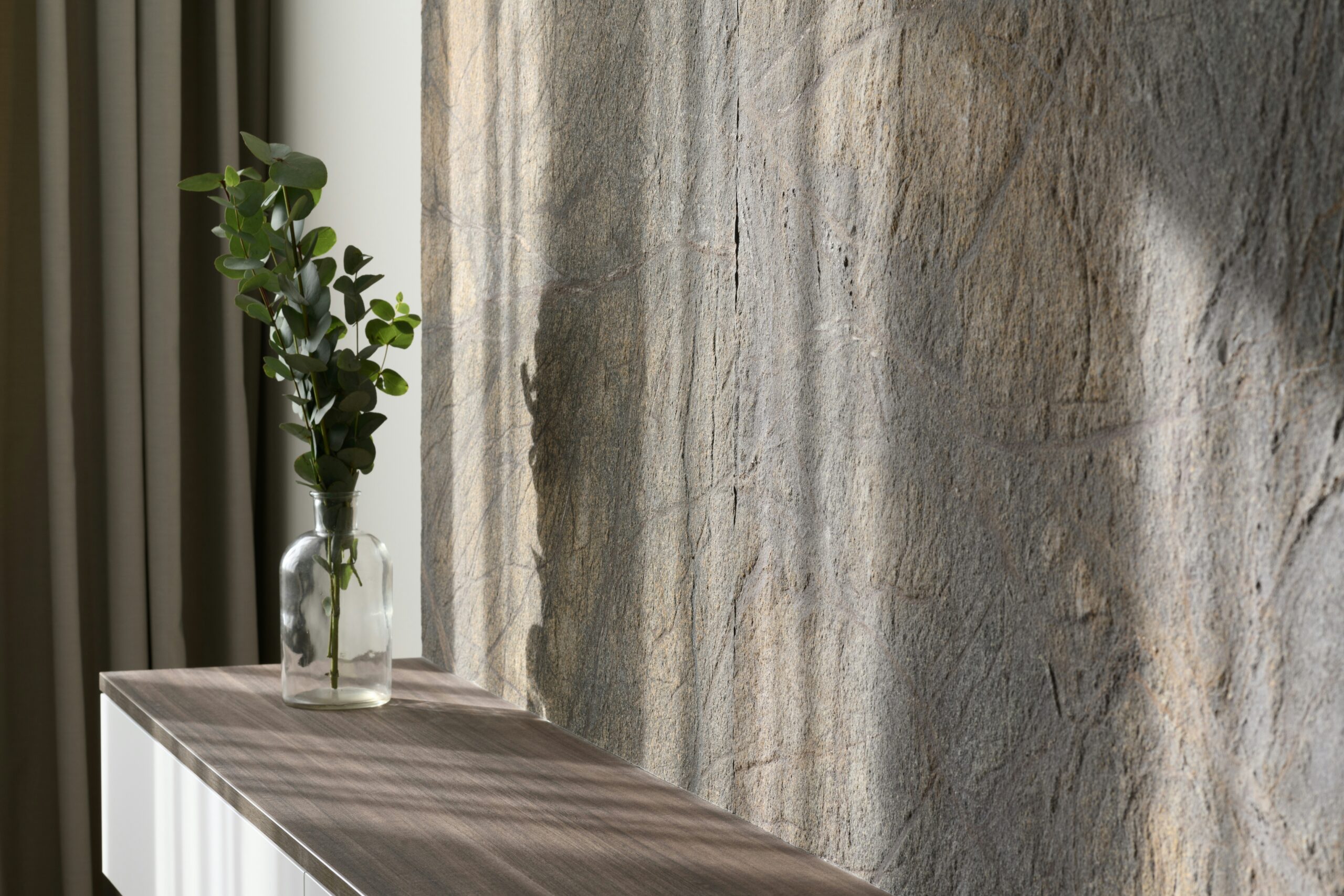
Homeowners now seek physical depth that elevates everyday living areas without demanding flashy decorations. Subtle variations in surface depth catch ambient shadows, giving primary living zones a sculpted presence throughout the day.
Natural materials respond organically to shifting sunlight, creating a calming living environment. Modern rooms gain visual rhythm when wall planes carry tactile texture.
How Do Mineral Wall Treatments Transform Interior Light?
Mineral-based finishes change how your room interacts with morning sun and evening lamps. Traditional paint produces a harsh glare across wide spans, highlighting minor drywall seams and imperfections.
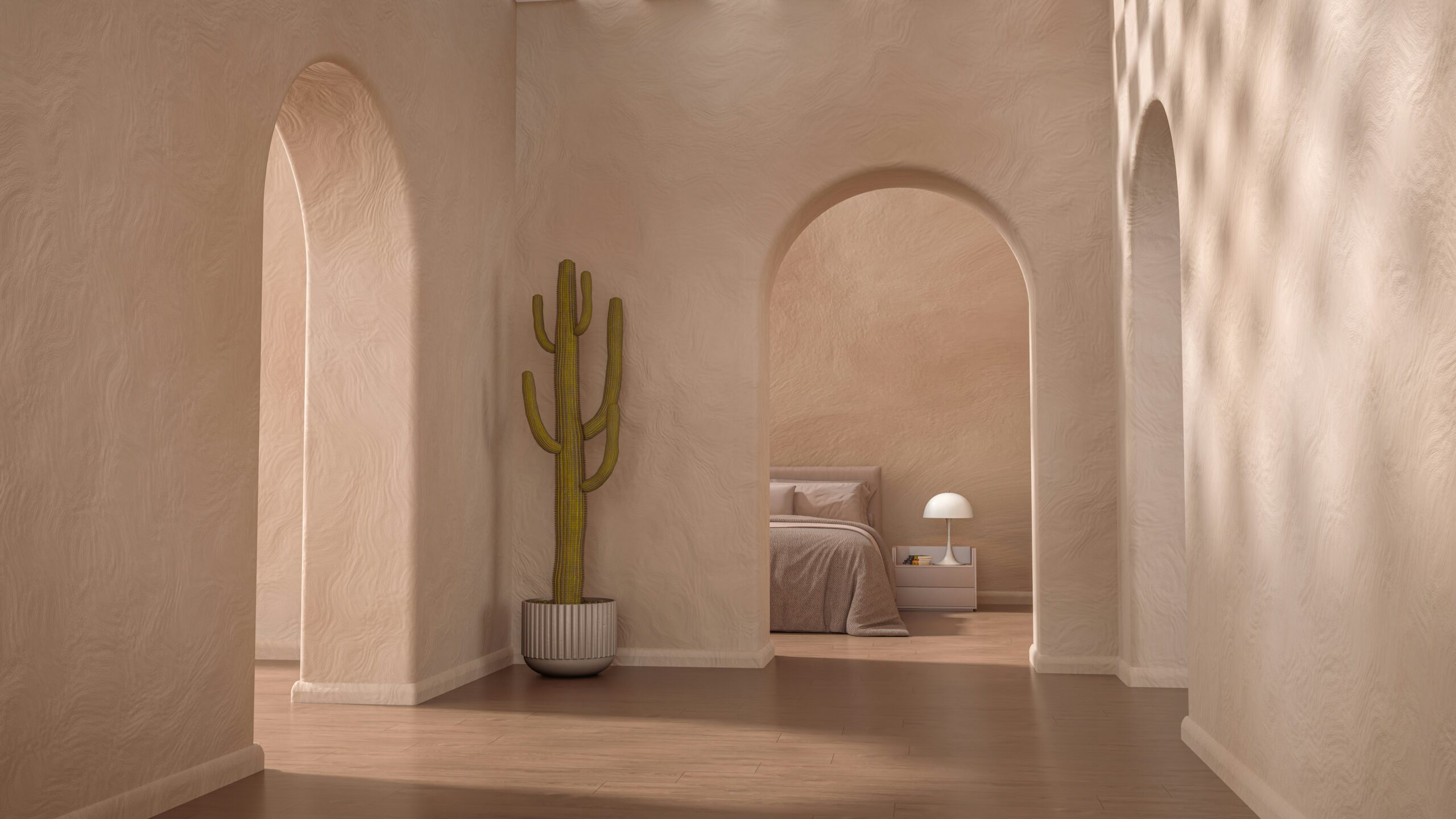
You create immediate warmth across your primary living areas when you swap rolled coatings for artisanal plaster techniques. Skilled applicators craft high-end Roman clay finishes using smooth putty blends that capture delicate illumination across varied angles. This careful layering delivers a velvety aesthetic that turns basic partition walls into focal design statements.
Multi-tonal undertones emerge naturally as daylight shifts across hand-troweled surfaces. You notice soft amber highlights during dawn, which mellow into rich contours under warm lamplight at night. This living responsiveness prevents your walls from feeling flat or stagnant.
Exploring The Tactile Differences Between Plaster And Microcement
Limewash washes walls in a soft, chalky bloom that evokes old-world European charm. Microcement delivers an industrial, seamless strength that handles moisture and daily foot traffic with ease. Traditional plaster sits comfortably between the two, offering smooth stone textures and thick dimensional edges.
Design editors at Homes & Gardens point out that plaster surfaces bring tangible weight and mass to interior spaces, particularly when craftsmen wrap thick archways and openings. Applying plaster to curved openings creates soft transitions that standard drywall corners cannot replicate.
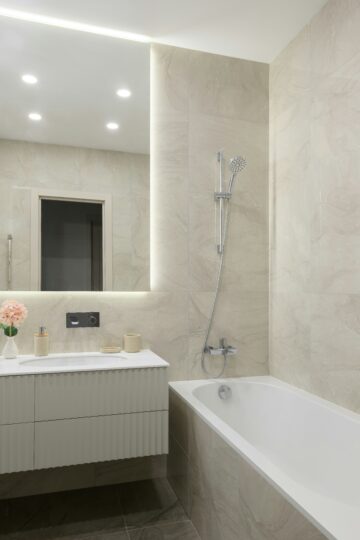
Microcement provides a dense moisture barrier that works beautifully across bathroom walls and shower surrounds. Its sleek profile allows you to create continuous surfaces across vanity counters and vertical partitions.
What Makes Hand-Troweled Applications Truly Unique?
Machine-sprayed paint strips away human touch, leaving surfaces uniform and detached. Hand-troweled finishes rely on the practiced wrist movements of artisan applicators who sweep thin layers across the substrate.
As detailed by House of Lime, textured lime mixtures produce unique movement and delicate tonal shifts that breathe life into rooms, creating a deeply tranquil and natural atmosphere.
Every stroke deposits varying levels of mineral paste, creating gentle ridges and smooth plateaus across the wall plane. These organic variances celebrate small imperfections rather than hiding them under thick coats of plastic paint.
Artisans burnish the final coats using specialized trowels to adjust the surface sheen. Burnishing compacts the mineral crystals, creating a silky luster that glints softly beneath recessed ceiling fixtures.
Prepare Your Substrates For Lasting Surface Durability
Artisan plaster finishes demand a stable and clean substrate before the trowel touches the wall. Any loose joint tape, unresolved drywall cracks, or oily residue will telegraph through thin mineral layers. You must inspect drywall seams thoroughly and patch uneven spots to establish a rigid plane.
Applying mineral compounds over existing walls requires methodical surface prep to secure maximum bond strength:
- Strip glossy finishes: Sanding down glossy paint breaks the surface tension so mineral primers grip firmly.
- Apply mineral primer: Specialty aggregate primers leave a gritty tooth that prevents wet plaster from slipping during application.
- Tape structural joints: High-strength mesh over drywall joints stops settling cracks from fracturing your decorative topcoat.
Balance Moisture Control And Protective Sealers In Humid Rooms
Natural lime and clay plasters breathe easily, absorbing excess humidity during damp afternoons and releasing it as room air dries out. This natural vapor exchange prevents musty odors and resists mildew in active living spaces.
You can protect sensitive splash zones by applying breathable penetrating sealers or natural wax coatings. Waxes buff into mineral pores to repel water droplets while preserving the raw, tactile stone feel beneath your fingertips.
Reapplying protective waxes every few seasons keeps high-contact surfaces resistant to scuffs and hand oils. You maintain pristine wall textures simply by wiping surfaces with a damp cloth and mild soap.
Transforming your home with textured mineral walls lets you build spaces filled with warmth, character, and tactile luxury. You move beyond sterile flat paint to create a dynamic environment that celebrates natural materials and human skill.
Investing in textured wall finishes gives your living spaces lasting architectural depth that stands strong against fleeting design fads. You craft an inviting haven where light dances across sculpted surfaces every day.