The Bathroom Bottleneck: Why Your Morning Routine Needs a Smarter Remodel
A bathroom can look perfectly acceptable and still make everyday life unnecessarily difficult. The shower feels cramped, towels have nowhere to go, and the vanity becomes a traffic jam whenever two people need the sink. These frustrations often develop gradually, so homeowners learn to work around them instead of questioning the design.
Bathroom remodeling offers an opportunity to correct these problems rather than simply replace outdated finishes. The challenge is identifying which changes will improve daily routines and which will only make the room look different.
A successful renovation starts with understanding how the space is used, where inconveniences occur, and what improvements will remain useful as household needs change.
Rethink the Bathtub That Nobody Uses
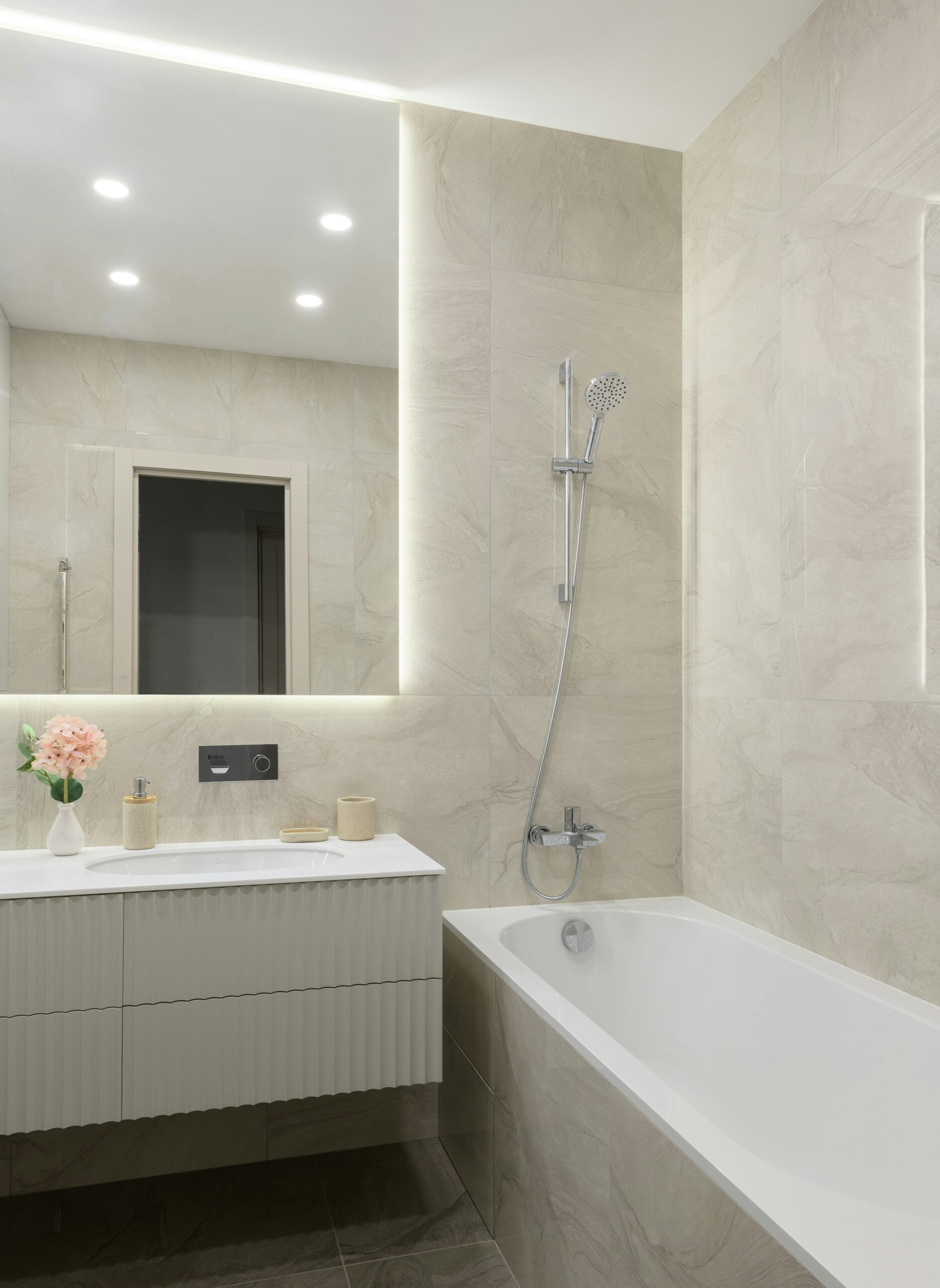
Many bathrooms contain traditional bathtubs that rarely serve their intended purpose. Instead, they become oversized shower bases with high sides that everyone must step over.
For households that primarily shower, a tub-to-shower conversion may create a more practical bathing area. However, families with young children or people who enjoy soaking baths may prefer to retain a bathtub.
Before deciding, consider how frequently each fixture is used and whether other bathrooms provide alternative bathing options.
A qualified bathroom remodeling company can assess the existing layout, discuss replacement showers and bathtubs, and explain whether a conversion can be completed without extensive plumbing changes.
The decision should also account for entry height, shower controls, storage, and water containment.
A fashionable walk-in shower isn't automatically better than a bathtub. The right choice is the one that removes inconvenience from everyday routines.
Stop Treating Shower Storage as an Afterthought
Shower storage rarely receives much attention during renovation planning. Yet the absence of convenient shelving becomes obvious immediately after the bathroom is finished.
Bottles accumulate on the floor, hanging organizers crowd the showerhead, and soap containers compete for limited ledge space.
Integrated shower niches can solve some of these problems without occupying additional floor area.
Corner shelves offer another option when wall construction or available space makes recessed storage impractical.
Placement matters. Shelves should be accessible without interfering with movement or directing water toward vulnerable joints.
Homeowners should also consider how easily storage surfaces can be cleaned.
Complicated shapes and excessive grout lines may create additional maintenance.
Planning storage before selecting wall finishes helps create a cleaner appearance and a more comfortable showering experience.
Choose Wall Materials That Simplify Cleaning
Beautiful bathroom finishes can become frustrating when they require constant attention.
Small tiles create numerous grout lines where residue can accumulate. Certain natural stone surfaces need specialized cleaning products and periodic sealing.
For busy households, maintenance requirements deserve as much consideration as appearance.
Large-format wall panels can reduce the number of joints in a shower enclosure. Porcelain tiles also offer various styles and generally manageable upkeep when installed correctly.
Material suitability depends on the application, particularly in areas exposed to frequent water.
Proper waterproofing behind the finished surface remains essential, regardless of the decorative material selected.
Homeowners should ask about cleaning instructions, stain resistance, and compatibility with common bathroom products.
A surface that looks impressive in a showroom should remain practical after months of daily use.
Make the Vanity Work During Busy Mornings
A bathroom vanity serves several purposes simultaneously. It provides washing space, stores personal belongings, and influences how people move through the room.
An oversized vanity may look luxurious but restrict access to the toilet or shower.
A smaller unit might improve circulation while leaving insufficient storage for everyday necessities.
Before choosing a replacement, observe how the existing vanity is used.
Consider whether drawers would provide easier access than deep cabinets.
Households sharing a bathroom may benefit from additional counter space, although installing two sinks isn't always the best use of limited square footage.
Wall-mounted vanities can create a more open appearance, but installation requirements and storage capacity need consideration.
The ideal vanity supports daily routines without forcing people to maneuver around unnecessary furniture.
Fix Bathroom Lighting Where It Matters Most
A bathroom can have expensive fixtures and still feel uncomfortable because of poorly planned lighting.
A single ceiling light often creates shadows around the mirror, making shaving, applying makeup, and other grooming tasks more difficult.
Lighting should be designed around activities rather than decoration alone.
Fixtures positioned near the mirror can provide more balanced illumination, while overhead lighting helps brighten the entire room.
Separate controls may allow homeowners to adjust brightness for different times of day.
Electrical safety is particularly important around showers and other wet locations. Fixtures must be suitable for their intended locations and installed according to applicable requirements.
Homeowners should also consider natural light and privacy.
The objective is comfortable visibility without excessive glare or unnecessarily complicated controls.
Address Moisture Problems Before Installing New Fixtures
Replacing an outdated shower can improve a bathroom's appearance, but new surfaces won't resolve moisture damage hidden underneath.
Soft flooring, discolored drywall, peeling paint, and persistent musty odors may indicate problems requiring investigation.
Before installation begins, contractors should assess vulnerable areas and determine whether repairs are necessary.
Waterproofing details around shower walls, bases, and plumbing penetrations deserve particular attention.
Ventilation is equally important because bathrooms regularly experience high humidity.
An appropriately sized exhaust fan can help remove moisture when used correctly and vented outdoors.
Homeowners should also understand the difference between a localized bathing-area replacement and a comprehensive bathroom renovation.
A limited project may not address unrelated flooring, ventilation, or plumbing problems.
Clarifying the scope early helps prevent disappointment and unexpected expenses.
Plan for Comfort as Household Needs Change
Bathroom renovations should reflect current routines while allowing for reasonable changes in the future.
A high bathtub wall may become inconvenient for someone recovering from an injury or experiencing reduced mobility.
Likewise, slippery flooring and awkwardly positioned controls can create unnecessary difficulties.
Homeowners might consider low-threshold showers, slip-resistant surfaces, handheld showerheads, or seating options where appropriate.
Walk-in bathtubs may suit certain users who prefer bathing while seated, although filling and draining times should be considered.
Accessible design doesn't require sacrificing appearance.
Modern bathing fixtures can combine practical features with attractive finishes.
However, accessibility needs differ considerably between individuals.
A renovation should address the household's actual requirements rather than assume that every specialized feature will be beneficial.
Thoughtful planning can make the bathroom more adaptable without adding unnecessary expense.
Keep the Renovation Scope Aligned With Your Budget
Bathroom remodeling costs can increase quickly when homeowners begin adding features without distinguishing essential improvements from optional upgrades.
Start by identifying the frustrations that prompted the renovation.
If the main concern is an outdated, difficult-to-clean shower, replacing the bathing enclosure may provide meaningful improvement without rebuilding the entire room.
If the bathroom has damaged flooring, inadequate ventilation, and inefficient storage, a broader renovation may be appropriate.
Request detailed estimates that explain materials, installation, preparation, and exclusions.
Ask whether plumbing modifications, demolition, permits, and repairs to concealed damage are included.
Installation timelines should also be realistic. Some straightforward bathtub or shower replacements can be completed quickly, while extensive renovations require considerably more time.
Maintain a contingency for unexpected conditions discovered during construction.
Most importantly, avoid choosing expensive features simply because they appear in attractive renovation photographs.
The strongest bathroom improvements address genuine inconveniences and make everyday activities easier.
A well-designed bathroom doesn't need to impress visitors with elaborate finishes. It should provide comfortable bathing, convenient storage, safe movement, and surfaces that remain manageable to maintain.
When homeowners prioritize those practical needs, remodeling becomes more than a cosmetic project. It becomes an investment in a smoother, more comfortable daily routine.