What Should Homeowners Look For When Choosing A Reliable Insulation Company?
A comfortable home depends on more than the heating and cooling system. Insulation in walls, attics, ceilings, and other areas also affects how well a home maintains its indoor temperature. When insulation is damaged, improperly placed, or insufficient for the property, homeowners may experience unpleasant rooms and fluctuating interior temperatures.
Therefore, choosing the right contractor is crucial to improving a home’s energy efficiency. However, homeowners have many contractors to choose from, and not all offer the same level of expertise, care, or craftsmanship. By looking beyond price, they can identify a business that understands their property’s unique needs.
So, what factors should homeowners consider when selecting an insulation contractor?
Let’s have a look at them.

1. Experience With Different Types of Insulation
A trustworthy contractor should be familiar with different insulation types and know how each option works in different areas of a home. The best strategy may differ from property to property because insulation jobs can encompass attics, walls, crawl spaces, ceilings, and other areas. Instead of using the same approach for every project, more experienced businesses can evaluate these variations.
In places like Howell Township, where homes may differ in age, structure, and insulation, homeowners might prefer local contractors who understand the area better. Working with an insulation company in Howell Township can connect homeowners with these local experts.
Homeowners should confirm whether the company's staff has worked on homes comparable to theirs. They should also ask what insulation materials the business installs and how it chooses the best option. Asking these questions helps homeowners find a contractor with the practical expertise needed for the project.
2. A Thorough Home Assessment
Before suggesting a solution, a trustworthy insulation provider should evaluate the property. The house’s age, construction, materials, ventilation, and potential heat-transfer areas can all affect how much insulation is needed.
If a contractor recommends a specific product without first inspecting the property, they they may not have fully considered the home’s unique needs. A thorough inspection can identify areas with inadequate insulation, damaged materials, air leaks, or other issues that could affect the project.
During the assessment, homeowners should also be able to ask questions. A qualified contractor should explain their findings and why a specific insulation strategy is suitable. This helps homeowners better understand the work before making decisions.
3. Knowledge of Proper Installation Practices
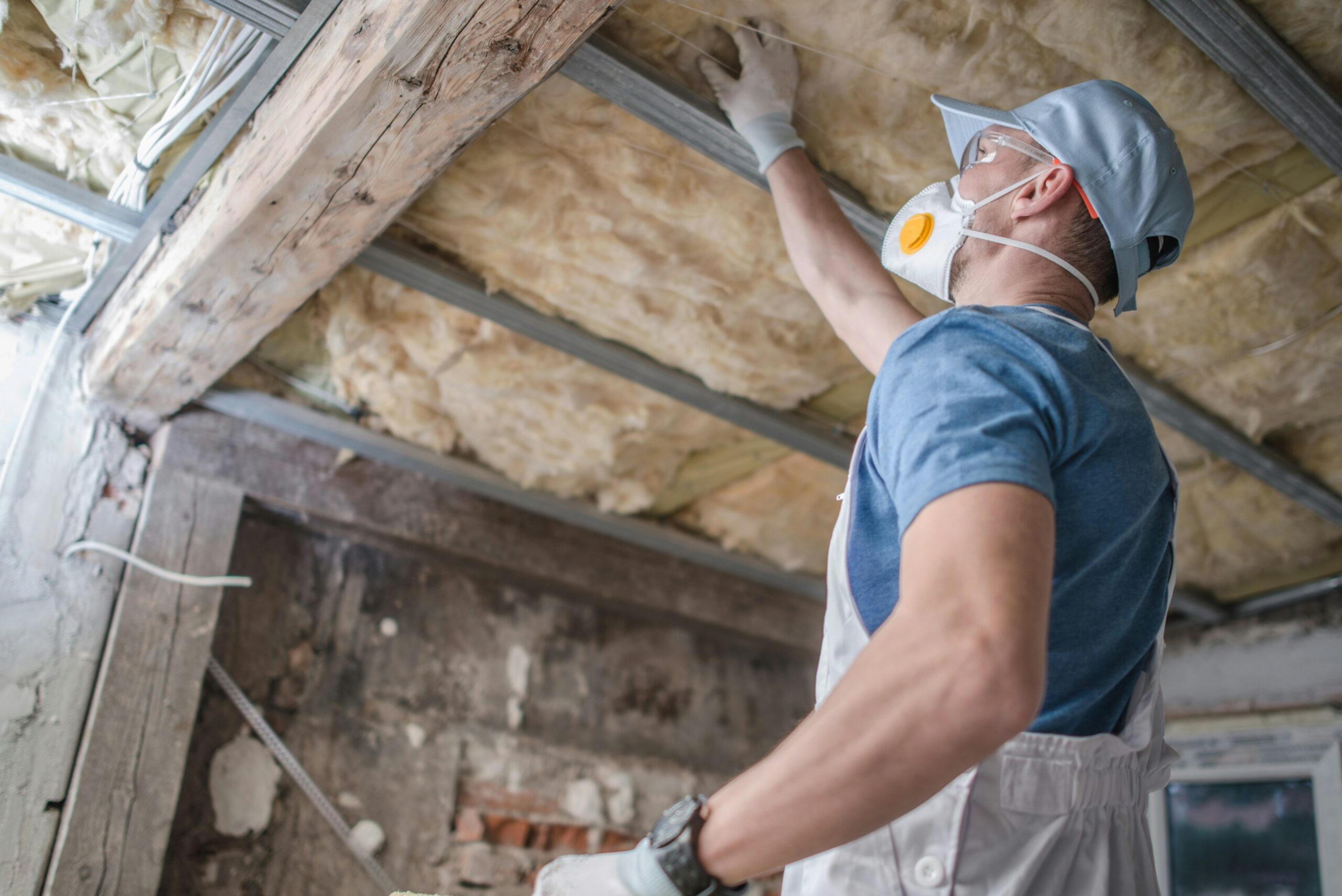
Improper installation can prevent high-quality insulation materials from working as intended. It can reduce insulation efficiency and leave parts of the house less insulated because of gaps, compression, uneven coverage, and other installation issues.
Homeowners should therefore ask prospective professionals about their installation procedures. The business should be able to describe how its staff sets up the workspace, installs the materials, and inspects the completed project.
Pay close attention to joints, corners, apertures, and other areas where uneven installation may occur. A business that values good craftsmanship is more likely to provide an installation that functions as planned.
4. Clear Estimates and Project Details
Before any work begins, homeowners should know what they are paying for. A reputable insulation provider should provide an accurate estimate detailing the anticipated scope of work, materials, labor, and other pertinent expenditures.
It can be hard to compare contractors or understand why one proposal costs more than another if the quote is unclear. So, homeowners should ask for enough information to understand the scope of work.
Asking about the expected timeline and whether more work may be needed once the project begins is also helpful. By communicating clearly, homeowners can plan for the work and avoid misunderstandings.
5. Positive Reviews and References
Reviews can reveal a lot about how a company manages real projects. Homeowners should look for comments about communication, timeliness, workmanship, cleanliness, and whether the provider finished the agreed-upon work, not just the overall rating.
Because they may better reflect the company’s current staff and service standards, recent reviews can be very helpful. Additionally, homeowners can ask whether the contractor can provide references from prior clients with similar projects.
Although no business can have a flawless record, consistent positive feedback in several areas can boost confidence. Homeowners should also watch how a company handles complaints or unfavorable reviews, as this can reveal how it handles customer service.
6. Professional Communication From Start To Finish
Homeowners can learn a lot about what to expect from a firm based on how it communicates before the project. In addition to sharing pertinent information and outlining what homeowners should expect from the installation, contractors should be able to respond clearly to inquiries.
Good communication also matters once the work begins. If homeowners see a problem, have questions, or require clarification regarding the project, they should know who to contact.
Homeowners shouldn’t feel pressured by a professional company to make snap decisions. Instead, they should receive enough information to understand their options and choose what best fits their goals, their home’s condition, and the proposed work.
Final Thoughts: Making The Right Choice
Choosing an insulation contractor is about more than finding the lowest estimate. Before choosing, homeowners should consider experience, property evaluations, installation procedures, pricing transparency, customer feedback, and communication.
By taking the time to compare these criteria, homeowners can choose a business that approaches the job carefully and performs work appropriate to the property’s needs. From the first evaluation to project completion, a trustworthy contractor should be prepared to clarify expectations, respond to inquiries, and explain the process.