
What to Look for When Choosing New Windows
If you live in Denver, your windows deal with a lot more than a nice view. Strong sun, sudden temperature swings, hail, snow, and dry air all put pressure on glass, frames, and seals.
Replacing windows can improve comfort and lower energy waste, but only if you know what to look for before you buy. A pretty showroom sample won’t help much if your actual house needs something tougher, quieter, or better sealed.
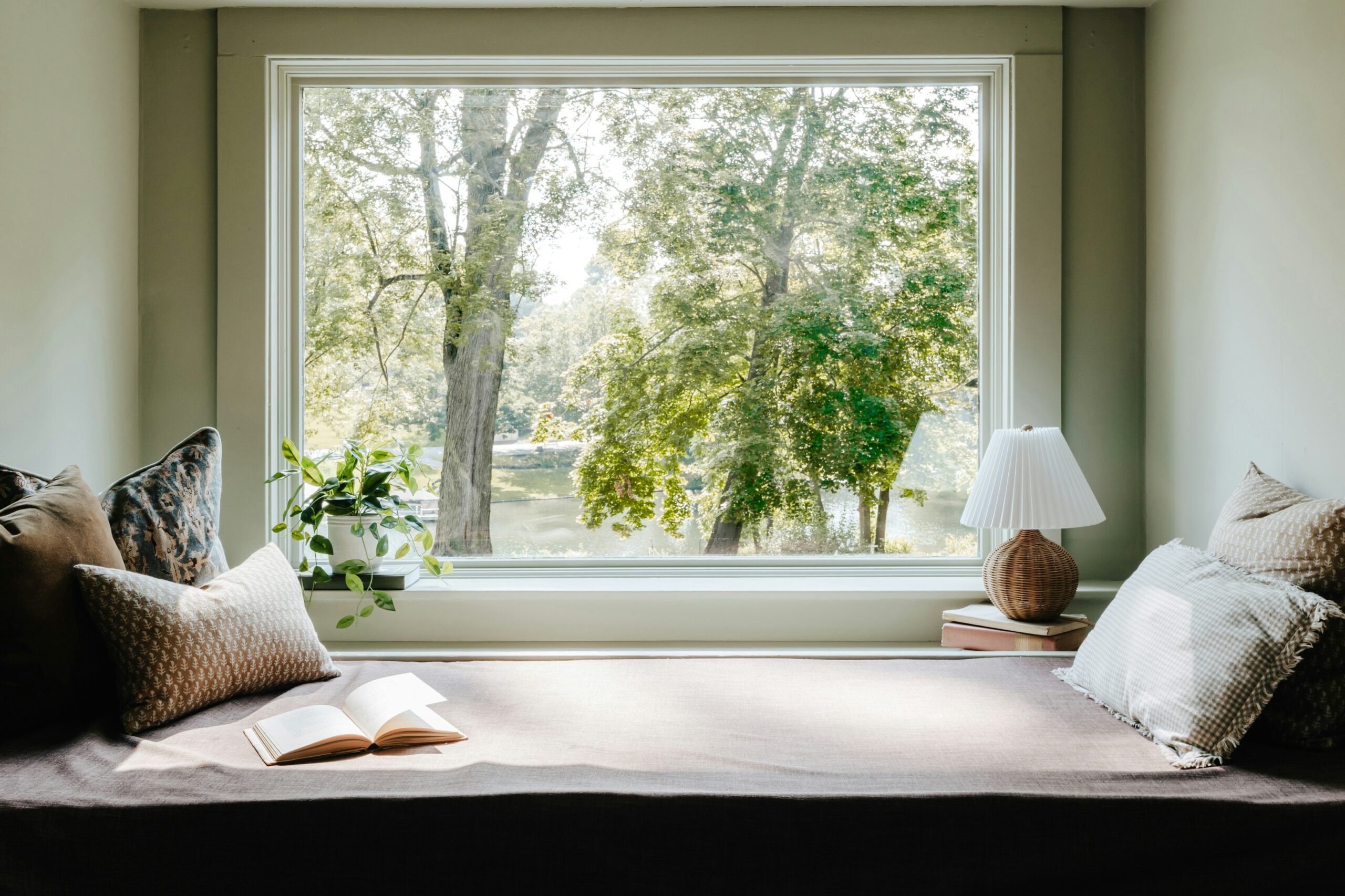
Start With the Problems Your Current Windows Are Causing
Before you compare brands, focus on what’s happening in your home right now. Cold drafts near the sofa, rooms that overheat in the afternoon, or condensation between panes all point to different issues. If your windows stick, rattle, or let in street noise, that matters too.
Make a quick list of what annoys you most. It helps you shop with a purpose instead of getting dazzled by fancy finishes and sales talk. A bedroom facing traffic may need sound control. A west-facing living room may need better solar protection. An older home may need custom sizing rather than off-the-shelf replacements.
You’re not just buying glass. You’re solving comfort, efficiency, maintenance, and durability problems in one project. That mindset usually leads to smarter choices and fewer expensive surprises.
Consider the Local Climate Before You Pick Style Over Performance
A window that works beautifully in a mild coastal climate may struggle in Denver. The altitude increases UV exposure, which can wear materials faster and heat up interiors more aggressively. Winter cold snaps test insulation, while hail can punish weaker exterior components.
That means performance ratings should carry real weight in your decision. It also means installation quality matters more than many homeowners expect. Even an excellent window can underperform if gaps, flashing, or sealing are handled poorly.
Hire a local window company in Denver that understands regional weather demands, replacement needs, and exterior durability. Local knowledge isn’t glamorous, but it often shows up in practical recommendations about glass packages, frame materials, and installation methods that suit the Front Range instead of some generic national template.
Learn the Window Terms That Actually Matter
Window shopping gets confusing fast because every product page seems to speak fluent acronyms. A few key terms deserve your attention. U-factor measures how well a window prevents heat from escaping. Lower numbers generally mean better insulation. Solar Heat Gain Coefficient, or SHGC, measures how much solar heat gets through the glass.
Then there’s low-E coating, which is a microscopically thin layer that helps reflect heat while still letting light in. Double-pane windows are standard in many homes, while triple-pane options can add performance in colder climates, though they’re not always necessary.
Frame material matters too. Vinyl tends to be affordable and low maintenance. Fiberglass is durable and stable in temperature swings. Wood looks great but usually demands more upkeep. Aluminum is sleek, though not always the top pick for insulation. Boring vocabulary, yes. Useful when you’re spending thousands, absolutely.
Match Window Styles to How You Actually Use the Room
The style you choose shapes how a room feels and how well it works day to day. Double-hung windows are a common pick and stay easy to clean when the sashes tilt inward. Casement windows swing outward and tend to seal tightly, which helps with energy efficiency. Sliding windows keep things simple and practical, though certain layouts limit how well they vent.
Picture windows bring in lots of light but don’t open, so they work better where ventilation isn’t a priority. Awning windows can be useful in bathrooms or basements. Bay and bow windows add dimension, but they also add cost and structural considerations.
Think about furniture placement, airflow, safety, and cleaning access. A gorgeous window behind a hard-to-reach kitchen sink can become a daily irritation. Style matters, no question. Function tends to win the long game when you’re living with the result every day.
Ask Better Questions When You Compare Quotes
A low quote can look great until the details crawl out from under the rug. Ask exactly what’s included. Does the estimate cover labor, disposal of old windows, trim work, interior touch-ups, permits, and warranty support? If structural repairs are needed after removal, find out how those costs are handled.
You should also ask who is doing the installation. Some companies use in-house crews, while others subcontract the work. Neither model is automatically bad, but you need clarity. Request product specifications and written warranty terms before signing anything.
Watch for vague language like “energy efficient” without actual ratings attached. Marketing can sparkle; your heating bill won’t be impressed. Compare lead times too, especially if your project is tied to seasonal weather or another renovation. A quote is only useful when you understand what it truly buys.
Don’t Ignore Installation Quality and Post-Project Support
A lot of homeowners spend weeks choosing products and only minutes asking about installation standards. That ratio should be flipped. Proper measuring, insulation, flashing, and air sealing affect performance just as much as the window itself. Poor installation can lead to drafts, water intrusion, sticking sashes, and shortened product life.
Ask how the crew protects floors, landscaping, and interior finishes during the job. Find out what happens if trim or drywall needs repair afterward. It’s also worth asking how punch-list issues are handled once the project wraps.
Good post-project support matters because problems don’t always show up on day one. A seal issue or alignment problem may appear after weather shifts. You want a company that responds clearly and fixes issues without turning basic communication into an Olympic event.
Balance Budget, Efficiency, and Long-Term Value
It’s tempting to shop by price alone, especially when window replacement can cost more than expected. Still, the cheapest option can become expensive if it performs poorly, needs repairs early, or hurts resale appeal. The smartest choice usually sits in the middle: solid performance, sensible materials, and strong installation.
Think in terms of value over time. Better windows may reduce heating and cooling strain, improve indoor comfort, and cut maintenance headaches. They can also make your home quieter and more secure, which isn’t always reflected in a simple payback calculator.
If you plan to stay in your home for years, prioritize reliability and fit. If you expect to sell soon, focus on visible quality, energy performance, and broad buyer appeal. Either way, choosing carefully now can save you from buyer’s remorse later, which is one home upgrade nobody wants framed in the living room.