
How to Decorate Your First Apartment Without Spending a Fortune
Moving into your first apartment can leave very little money for decorating. After you've paid the security deposit and bought essential furniture, artwork and decorative accessories may feel hard to justify. Yet you probably don't want to spend months surrounded by blank walls and mismatched hand-me-downs.
You may be tempted to buy everything at once, especially when you've been saving apartment inspiration photos for ages. That approach can leave you with purchases that don't fit your rooms or your budget. Start by working with what you already own and spend selectively as you settle in.
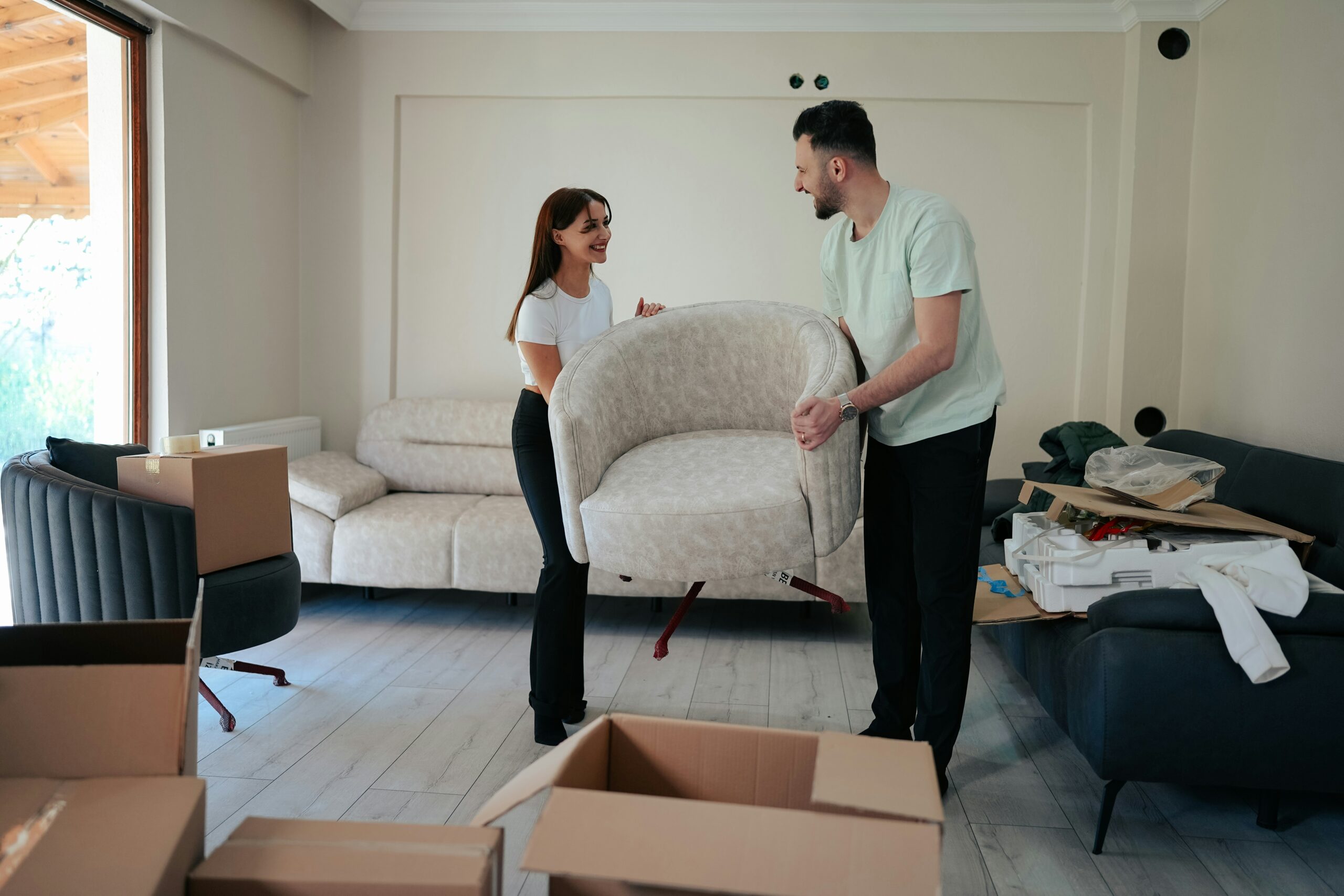
Decide What You Can Spend After Paying for Essentials
Set a separate decorating allowance rather than treating every attractive item as an exception to your monthly budget.
Make a note of what you already own. Your old desk lamp might work for a reading corner, and a spare blanket could serve as a couch throw. You may need fewer purchases than you expected.
Next, separate immediate needs from wants. Curtains for an exposed bedroom window may be worth purchasing before wall prints. If you need additional lighting, prioritize a lamp you can use every evening over an ornament for an empty shelf.
For the decorative items you still need, explore retailers such as Jamali Garden for affordable options, including vases and candleholders. Compare prices and package quantities to see what fits your budget.
You don't have to spend your entire allowance in the first week. Save some money for purchases you identify after you've used the apartment, and factor in delivery fees when comparing prices.
Rearrange Furniture Before Buying More Decor
Try different arrangements with your existing furniture before ordering accessories. You might prefer the couch facing the window, or find that moving your desk frees up a corner for a floor lamp. Making those changes costs nothing.
Once the larger furniture is in place, measure the available surfaces. Check the width of a shelf before choosing a vase, and measure the space beside your bed before shopping for a nightstand. Keep enough room to open drawers and walk comfortably.
If your overhead light is too bright in the evening, try moving an existing lamp before buying a replacement. Place a floor lamp beside the couch if you like reading there. You can also use it instead of the overhead light when you want softer lighting in the evening.
Choose Decorations You Can Use in Different Rooms
When money is limited, prioritize accessories that don't depend on a particular room layout. A neutral vase could hold flowers on a dining table today and sit on a bedroom dresser after you rearrange your furniture. A simple tray can organize items near the entrance or keep a coffee table tidy.
Think about how often you'll want to change the arrangement. If you enjoy flowers but don't want to keep replacing fresh bouquets, artificial stems may suit your budget better over time. You can also change their arrangement without purchasing another container.
When you're ready to buy, Jamali Garden sells vases and artificial stems in different styles. Check the dimensions and package quantities carefully, since purchasing an entire case for a single shelf might cost more overall than buying individual items elsewhere. Decorate one room at a time.
Shop for Secondhand Furniture and Other Pieces
Check thrift stores and local resale listings before paying full price for furniture. You may find a sturdy side table or bookcase that needs only cleaning to suit your apartment.
Inspect secondhand items before handing over money. Check that a table’s legs are stable and its surface isn't badly warped. For drawers, open and close each one. Ask for measurements before arranging pickup, especially if you'll need to transport the item yourself.
Sometimes a used purchase isn't worth the repair costs. Compare the total expense with the price of a new alternative before committing.
Personalize Your Walls Without Expensive Artwork
You can decorate blank walls with photographs you've taken or prints from artists whose work you enjoy. Use inexpensive frames in matching finishes if you prefer a coordinated appearance. You could also frame postcards you kept from a trip instead of purchasing new artwork.
If you have existing framed artwork, try moving it between rooms. A print that's too narrow for the wall above the couch might fit better beside your desk. Experiment with arrangements on the floor before putting holes in a wall.
Keep the receipts for anything new until you've confirmed that its size and appearance work in your apartment.
Conclusion
You don't need to finish decorating your first apartment as soon as you move in. Start by establishing a spending limit and arranging the furniture you already have. Then choose decorations for the areas where you spend the most time.
Before each purchase, check its dimensions and think about where you'd use it if you moved to another apartment. If it only works in a very specific corner, it may be worth waiting until you're certain you want it.
You can also revisit your decorating plans as your routines change. What you need during your first month may differ from what you want after you've hosted friends or started working from home. Give yourself time to find out what suits you, and add pieces when you can comfortably afford them.