How to Know When It’s Time to Replace Your Roof
Your roof rarely announces trouble with a dramatic speech. It usually sends quieter signals: a stain on the ceiling, a shingle in the yard, or an energy bill that suddenly feels oddly personal.
In Middle Tennessee, that wear can build faster than homeowners expect. National Weather Service climate data shows the region commonly receives roughly 48 to more than 60 inches of precipitation a year, depending on location, with the wettest stretch generally running from late fall through spring. Severe weather adds another layer.
During a major May 2024 storm episode, parts of Middle Tennessee saw hail up to 3 inches in diameter, widespread damaging winds, four tornadoes, and nearly nine inches of rain in the hardest-hit areas. Around communities such as College Grove, repeated exposure to heat, moisture, hail, and wind can gradually loosen shingles, damage flashing, and expose weak spots. Knowing what to watch for helps you act before a roofing problem turns into a budget-eating surprise.
Storm damage can shorten a roof’s life overnight
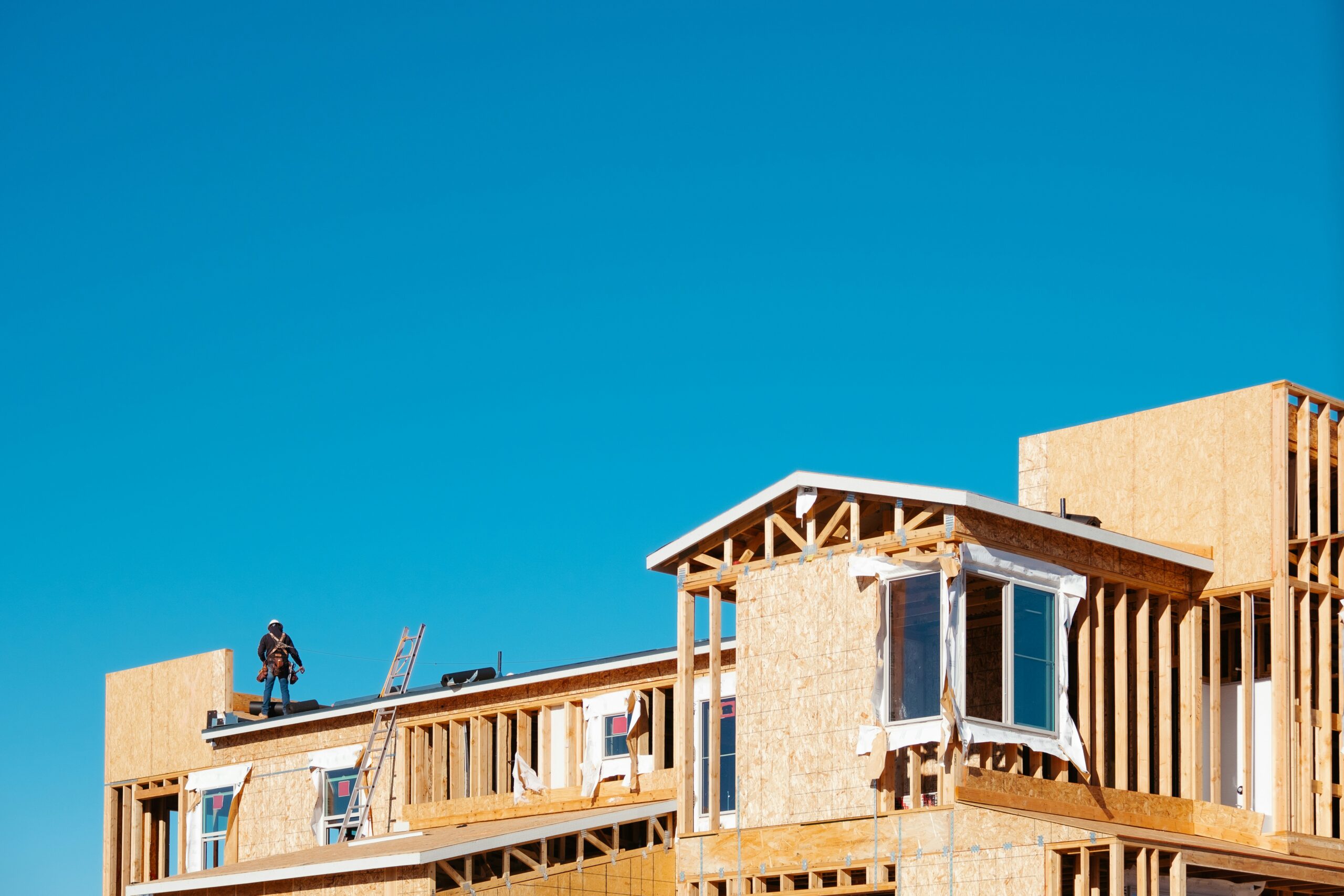
One rough storm can do more damage than five calm years. Hail bruises shingles, wind lifts edges and breaks seals, and flying debris can punch through vulnerable areas. From the ground, the roof may still look mostly normal, which is part of the problem.
After major weather events, schedule a professional inspection even if you don’t see obvious damage. Hidden issues often appear later as leaks, ventilation problems, or premature aging. Insurance may also require timely documentation if you plan to file a claim.
If you’re weighing options for College Grove roof replacement, local weather history matters. A contractor familiar with storm patterns in that area can assess whether your roof needs targeted repair or full replacement. That kind of local context is useful because roofs don’t age in a vacuum. They age in your actual zip code.
Your roof has an age limit, even if it still looks decent
A roof can seem fine from the driveway and still be approaching the end of its useful life. Asphalt shingles often last around 20 to 30 years, though climate, ventilation, installation quality, and storm exposure can shorten that timeline.
If you bought an older home and don’t know the roof’s age, start there. Ask for inspection records, insurance paperwork, or seller disclosures. A roof that’s nearing two decades deserves closer attention, even without leaks.
In areas with frequent sun, moisture, and seasonal storms, aging materials break down faster than many homeowners expect. Granule loss, brittle shingles, and weakened flashing tend to show up gradually. Your roof doesn’t need to collapse to need replacing. Sometimes it just gets tired, and tired roofs make expensive decisions for you.
Missing shingles are only part of the story
You probably already know missing shingles are bad news. The bigger issue is what missing shingles often reveal: the surrounding materials may also be weakening.
Look for curling edges, cracked tabs, bald spots where granules have worn away, and shingles that appear patchy or warped. Those signs suggest the roof system is losing its ability to shed water properly. One damaged section can also indicate broader wind damage across multiple slopes.
If your roof looks uneven, has repeated repair spots, or sheds granules into the gutters like it’s molting, replacement may make more sense than another small fix. Repairs work best when damage is isolated. Once deterioration spreads, you’re not dealing with a single problem anymore. You’re dealing with a roof that has started negotiating its exit.
Leaks often start small and stay hidden longer than you’d expect
A roof leak doesn’t always drip dramatically into a bucket in the middle of your living room. More often, it starts quietly inside the attic, around flashing, under shingles, or near roof penetrations like vents and chimneys.
Watch for water stains on ceilings, peeling paint, soft drywall, musty smells, or insulation that feels damp. Even a small leak can lead to mold growth, wood rot, and damaged framing if it lingers.
You should also check after heavy storms, not just during them. Some leaks show up hours later or only under certain wind conditions. That unpredictability makes them especially annoying. If repairs keep chasing the same moisture issue, the roof system may be too compromised for patchwork to hold. At that point, replacement becomes the practical move, not the dramatic one.
Energy bills can reveal roofing problems before your eyes do
A failing roof doesn’t just let water in. It can also let conditioned air out, especially when ventilation is poor or underlayment and decking have started to degrade.
If your heating and cooling bills keep climbing and your HVAC system seems to be working overtime, the roof may be part of the issue. Poor attic ventilation traps heat in summer and moisture in winter, forcing your home to fight harder for a stable indoor temperature.
Pay attention to hot upper floors, ice dam risks in colder snaps, or rooms that never seem comfortable. Those issues don’t always mean you need a new roof, but they do suggest your current system may not be performing efficiently.
A roof replacement gives you the chance to upgrade ventilation, improve insulation coordination, and choose materials that better match your climate. Function matters just as much as curb appeal here.
Repeated repairs can cost more than replacing the roof
Many homeowners try to squeeze a few more years out of an aging roof with strategic repairs. That can be smart for isolated damage on a relatively young roof. It can also become a money pit with shingles.
If you’ve repaired multiple leaks, replaced flashing more than once, or patched storm damage in several areas, add up those costs. Then compare them to the price and lifespan of a full replacement. You may find you’re spending a surprising amount to keep an unreliable system limping along.
There’s also the stress factor. Constant monitoring, emergency calls during storms, and interior repairs after leaks all come with real costs, even when they don’t show up neatly on an invoice. A replacement often provides stronger long-term value, better warranty protection, and fewer unpleasant weather-related plot twists.
A professional inspection gives you clarity, not just a sales pitch
It’s hard to judge a roof from the lawn, and climbing up there yourself is a bad plan in sneakers or otherwise. A professional inspection helps you understand the roof’s actual condition, remaining lifespan, ventilation performance, flashing integrity, and any hidden moisture issues.
Ask for photos, a clear explanation of problem areas, and a breakdown of whether repairs are still realistic. A trustworthy contractor should explain what’s urgent, what can wait, and what replacement would improve beyond simply stopping leaks.
If you’re planning to sell your home within a few years, that inspection matters even more. Buyers notice roof condition quickly, and lenders or insurers may care even more than buyers do. Replacing a worn roof before listing can remove a major negotiation point and make the home feel move-in ready.
Replacing your roof is about protecting the whole house
A roof replacement can feel like one of those adult expenses that arrives with perfect timing, meaning not at all. Still, it protects nearly everything underneath it: framing, insulation, drywall, flooring, electrical systems, and your daily peace of mind.
The key is catching the signs early. Age, visible shingle damage, recurring leaks, storm impacts, rising energy costs, and repeated repairs all point toward the same question: is your roof still doing its job well?
If the answer is increasingly shaky, get it inspected and weigh the long-term math. A solid replacement isn’t only about fixing what’s wrong. It’s about making your home safer, more efficient, and far less likely to surprise you the next time the forecast gets dramatic.