Navigating Safety in Your First Apartment or Rental
Your first rental should give you a comfortable place to live without exposing you to preventable hazards. A careful inspection before move-in can reveal problems that listing photos and a quick tour may hide. Once you have the keys, clear communication and good records will help you address maintenance concerns before they become emergencies.
Use the following steps to evaluate a potential apartment, understand your options and make your new space safer.
Before You Sign the Lease
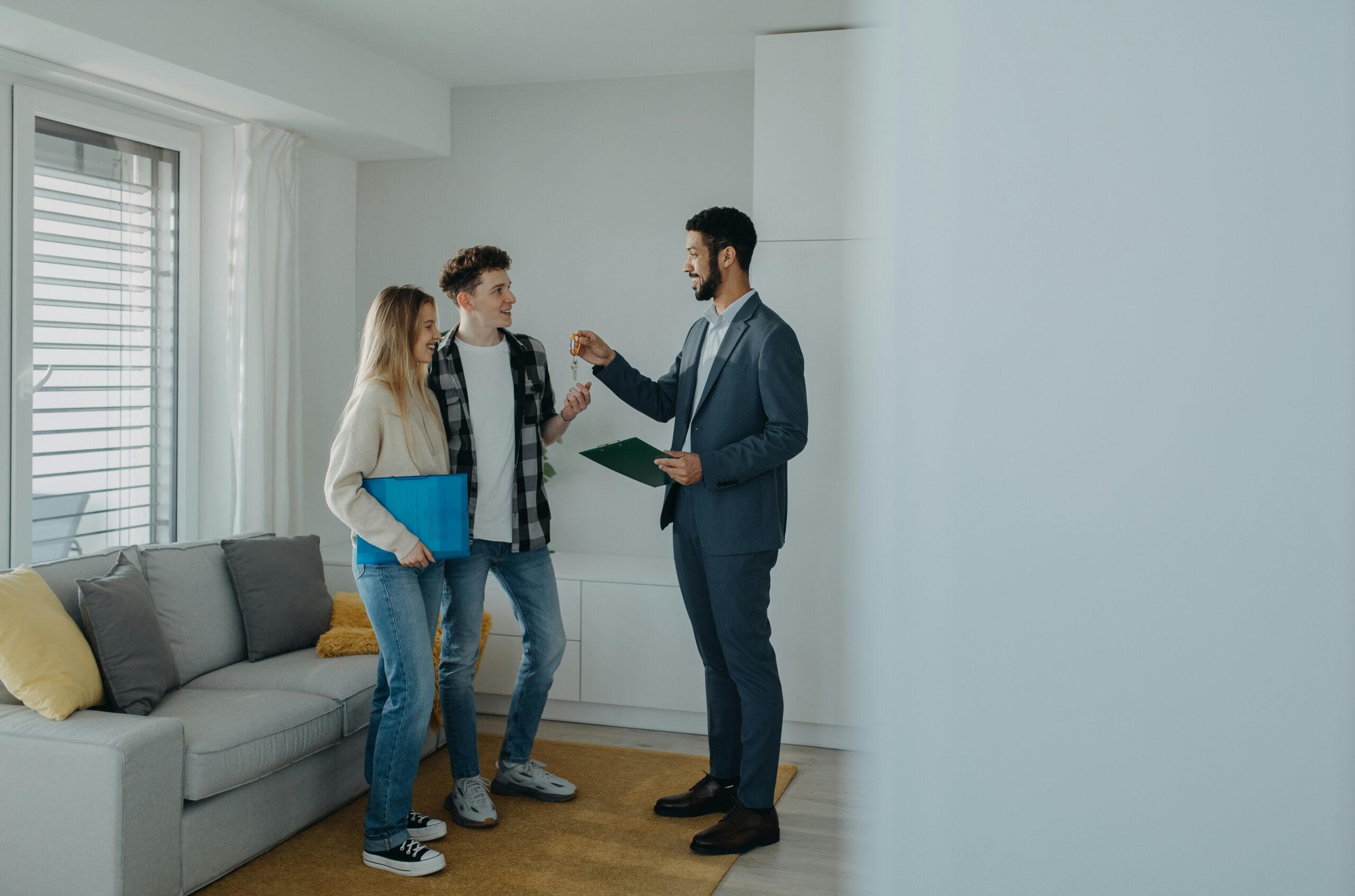
Tour the property during daylight, then return after dark if possible. Check whether entrances, parking areas, hallways and stairs have working lights. Test windows and exterior doors, look for water stains and ask how residents report urgent repairs. This rental safety standards guide offers more areas to review during your visit.
Read the lease carefully before paying a deposit. It should explain who handles repairs, how much notice management gives before entering and which utilities you must maintain. Photograph existing damage and ask the manager to confirm promised repairs in writing. If a loose handrail will be fixed before move-in, for example, request a date and keep the response.
Identifying Common Property Hazards
Small defects can cause serious injuries. Watch for curled carpet edges, cracked pavement, missing stair rails, unstable balcony guards and leaks that leave floors slippery. Guidance about tenant safety measures highlights the value of regular inspections and prompt maintenance.
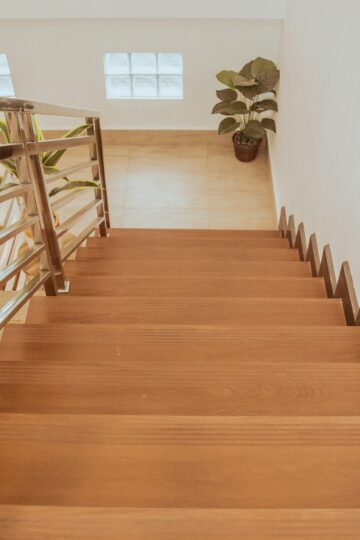
Lighting deserves close attention, particularly around shared stairs. Poor apartment stairwell lighting shows how darkness can create both fall and personal safety concerns. Report hazards promptly and include clear photos. Learning how premises liability injuries commonly happen can also help you recognize conditions that require immediate action.
Your Rights as a Tenant
Rental laws vary by state and city, but landlords generally must provide housing that meets applicable health and safety requirements. Your lease may also set specific repair procedures, so follow them closely. Submit requests through the resident portal or email whenever possible. Written records establish when you reported the issue and how management responded.
For an urgent problem, describe the exact location and immediate risk. “The second-floor handrail beside apartment 2B came loose this morning” is more useful than “the stairs are unsafe.” Save photos, messages, repair notices and receipts connected to the problem. Avoid withholding rent or arranging major repairs without first checking local law. A tenant organization, housing agency or qualified attorney can explain the rules that apply where you live.
Creating a Safe Home Environment
Once you move in, keep entrances and walkways clear of boxes, cords and shoes. Confirm that smoke and carbon monoxide alarms work, replace permitted batteries and report damaged units. Use window coverings for privacy, learn every exit route and store the management office’s emergency maintenance number in your phone.
You can also create a simple monthly check. Look under sinks for moisture, inspect outlets for discoloration and confirm that doors still latch securely. Never cover a heater or overload an outlet with several high-demand appliances. If a problem belongs to building management, document it instead of attempting a risky repair yourself.
Keep your move-in photos and lease together in one digital folder. If a loose fixture, leak or dark hallway appears later, you’ll have a clear record and the details needed to request a timely fix.