How Poor Lighting in an Apartment Stairwell Can Leave Women Vulnerable to Both a Fall and a Safety Risk
Apartment stairwells should provide residents with a safe way to move between floors at any hour. When lighting is poor, women may face concerns about falling as well as feeling unsafe around people they cannot clearly see, and they may want to get more information about their options after an incident. Property owners and managers should take lighting problems seriously before someone gets hurt.
Darkness Makes Stair Hazards Harder to See
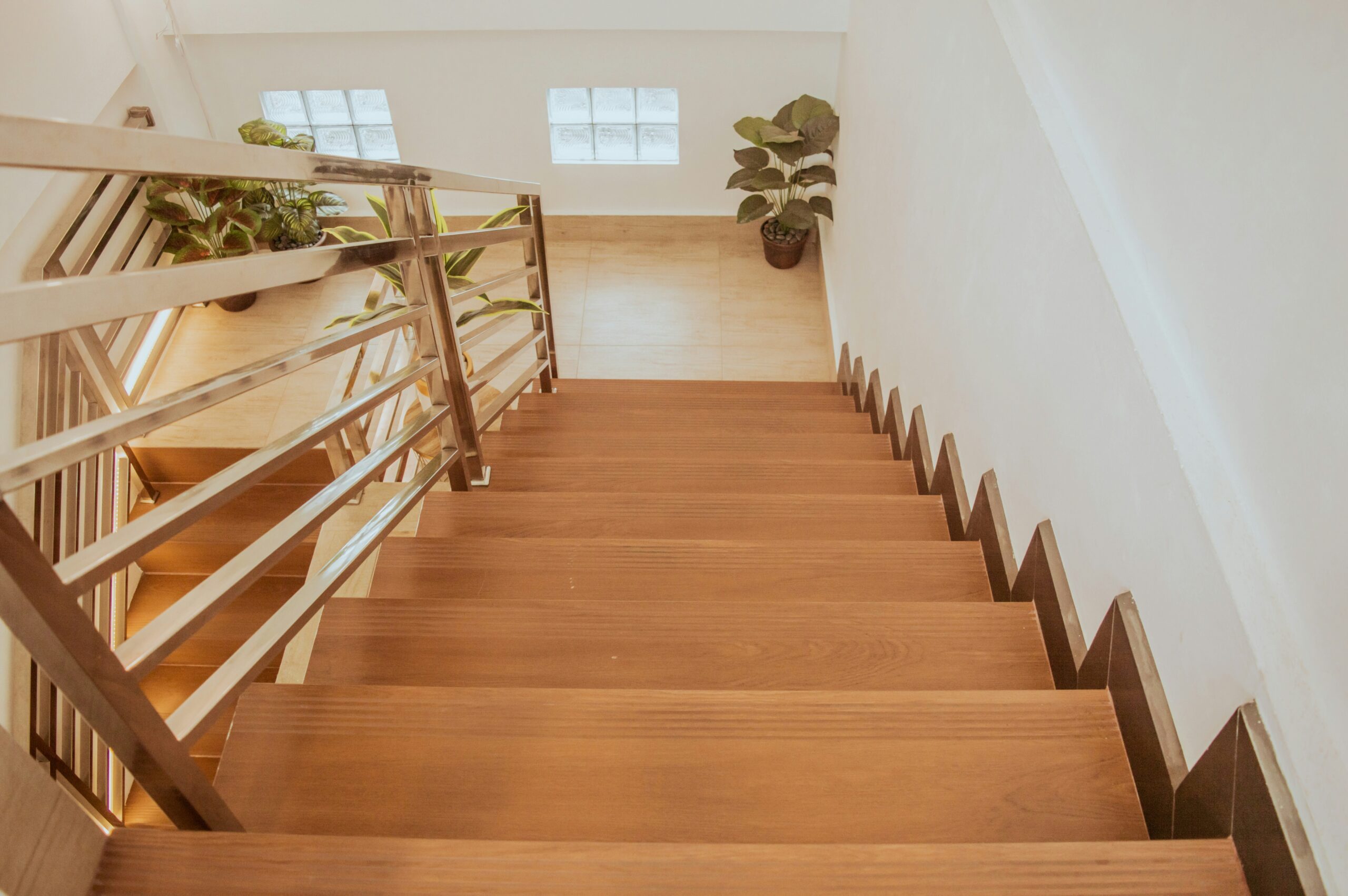
Stairs require people to judge the height and position of each step as they move. A burned-out bulb or dim fixture can make it difficult to notice a broken edge, loose object, or wet surface. Even someone familiar with the building can misjudge a step when visibility suddenly changes.
The risk can increase when a resident is carrying groceries, a work bag, or other items. She may have less ability to reach for a railing or catch herself if she loses her footing. Poor lighting can make an otherwise manageable staircase much harder to navigate safely.
Handrails and Landings Need Clear Visibility
A stairwell is not just a set of steps. People also need to see the handrails, landings, doorways, and any changes in the floor as they walk through the area. When lighting is poor, shadows can make it difficult to tell where one step ends and another begins.
Handrails can help someone steady themselves if they lose their footing. In a dark stairwell, however, finding the railing quickly may not be easy. Better lighting makes the entire staircase easier to see and gives residents more confidence as they move between floors.
Poor Lighting Can Create Personal Safety Concerns
A dark stairwell can also make residents feel exposed to threats unrelated to falling. Women entering or leaving an apartment may be unable to see who is standing on a landing or approaching from another floor. That uncertainty can make an ordinary walk to the apartment uncomfortable or frightening.
Visibility gives residents more time to notice another person and understand what is happening around them. It can also make it easier to identify an exit or return to a secure area when something feels wrong. Lighting alone cannot prevent every safety problem, but darkness can remove useful information about the surroundings.
Building Access Can Add to the Problem
Lighting problems can become more concerning when they occur alongside poor building security. A stairwell with a broken exterior lock or door may be accessible to people who do not live in the building. Residents may have difficulty seeing unfamiliar individuals if that same area is poorly lit.
Property managers should pay attention when tenants report both security and lighting concerns. A damaged lock, burned out light, or door that does not close properly may seem like a small maintenance problem by itself. Several unresolved problems together can make residents feel far less secure in common areas.
Reporting Lighting Problems Is Important
Residents who notice dark stairwells should consider reporting the problem to management promptly. A written maintenance request can clearly identify which light is not working and where it is located. Keeping a copy of the request can also show when management was notified of the issue.
Repeated problems may deserve additional documentation. Residents can note when lights stop working, when repairs are requested, and whether the problem returns shortly afterward. Photographs may also help show how dark the area appears when the lighting is not functioning.
Property Managers Should Inspect Common Areas
Property managers should not wait for tenants to point out every lighting problem. Routine checks can catch burned out bulbs, damaged fixtures, and dark areas before they become a bigger concern. Stairways, hallways, entrances, parking areas, and other common spaces should all be checked regularly.
Sometimes replacing a bulb is only a temporary fix. If the same light keeps going out, there may be an electrical or fixture problem that needs attention. Managers should also walk through the area to make sure the available lighting is strong enough to clearly see the stairs and surrounding space.
What to Do After a Stairwell Fall
Anyone hurt in a poorly lit stairwell should take care of their medical needs first. When possible, photos of the steps, lights, handrails, and nearby area can show what the stairwell looked like at the time of the fall. The scene could change quickly if management replaces a bulb or makes repairs afterward.
If someone witnessed the fall, it can be helpful to keep their name and contact information. Neighbors who previously reported lighting problems may also have useful information about how long the issue existed. Medical records, photos, maintenance requests, and messages with management should be saved in case they are needed later.
Final Thoughts
Poor stairwell lighting can create more than an inconvenience for women living in an apartment building. Residents who suffer an injury or face a serious security concern may choose to get more information about their rights and the responsibilities that may apply. Reliable lighting and regular maintenance can make shared stairways safer and easier to use.