
More Than the Price Tag: How to Budget Wisely for a New Water Heater
A water heater is easy to forget until the hot water becomes unreliable. By then, a household may have little time to compare equipment, installers, or long-term costs. Planning before a failure gives you more control.
A realistic budget should cover more than the price of the unit; installation, efficiency, maintenance, possible upgrades, and the age of the existing system all matter. Looking at the complete cost helps you choose a system that fits the home without turning an ordinary replacement into an unexpected financial strain.
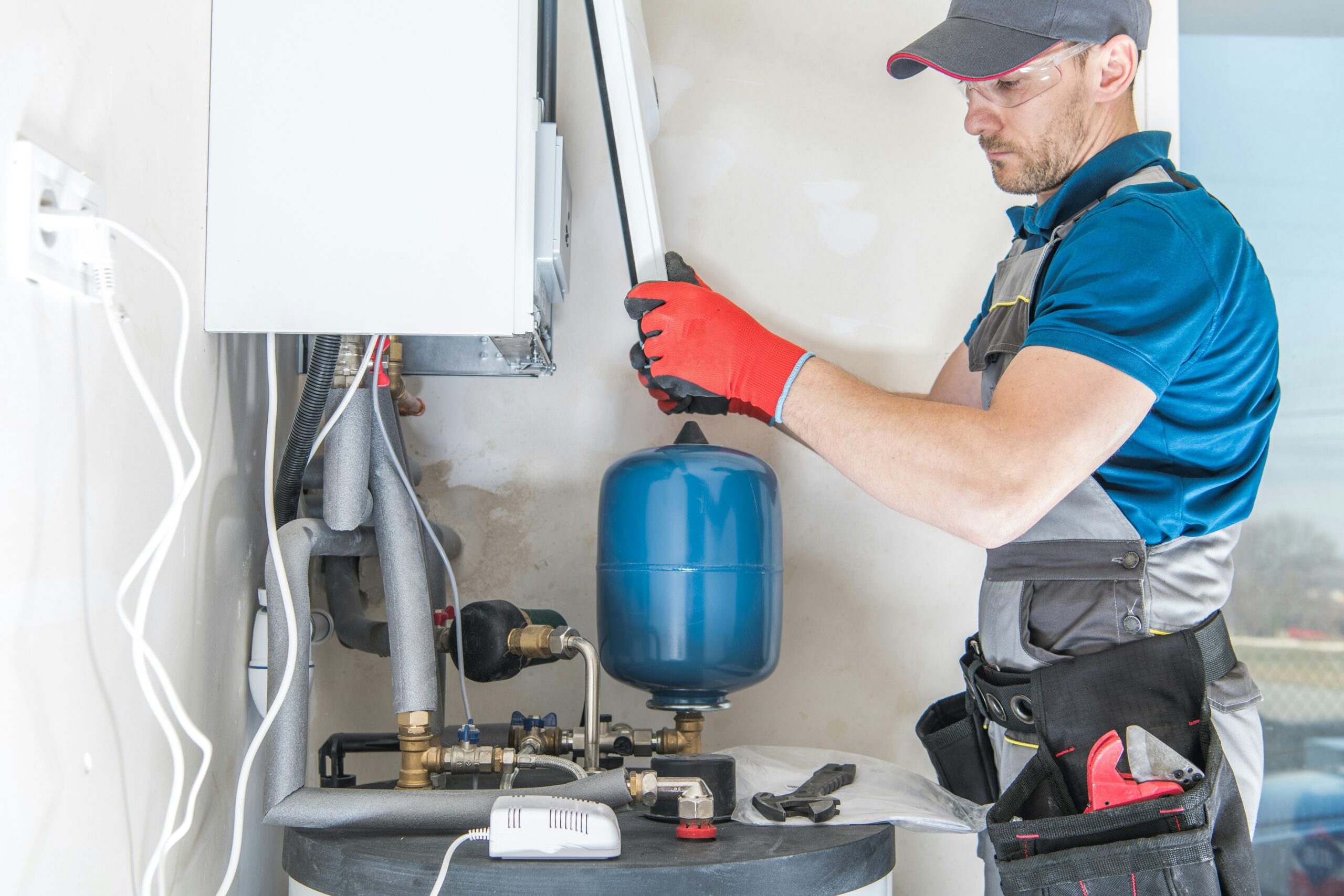
Know What You Are Really Paying For
The price displayed on a water heater is only one part of the project. Installation labor, removal of the old unit, fittings, permits, and changes needed to accommodate the replacement can all affect the final bill.
Conventional tanks, tankless models, and heat-pump systems have different purchase, operating, and installation costs. Fuel source, capacity, and efficiency can shift the numbers considerably.
Size should reflect actual household demand. An undersized system may struggle when several people need hot water close together, while unnecessarily large equipment can increase purchase or operating costs. Before comparing prices, understand how much hot water the household typically uses and which systems can reasonably meet that demand.
Repair or Replace With the Bigger Picture in Mind
A malfunction does not automatically mean the entire heater needs replacing. Thermostats, heating elements, valves, and other components can sometimes be repaired without replacing the system.
Age and condition change the calculation. An older unit with corrosion, recurring leaks, or repeated component failures may continue absorbing repair money without becoming dependable again. In that situation, replacement can make more sense than repeatedly extending the life of deteriorating equipment.
When considering professional water heater repair and installation, ask for a diagnosis that separates the immediate fault from the overall condition of the system. Find out which component failed, what the repair would cost, whether other major components show wear, and what replacement would involve. Those details make it easier to compare the value of another repair with the cost of starting over with a new system.
Build the Replacement Into Your Home Budget Early
Mechanical systems eventually wear out, yet many household budgets treat their failure as completely unexpected.
A dedicated home-maintenance fund can soften the impact. The amount does not need to be enormous immediately. Regular contributions create a reserve that can cover part or all of a future replacement.
If your heater is already older, increase that reserve and keep basic information about its age, fuel type, capacity, and maintenance history.
Planning early also gives you time to compare contractors and equipment. An emergency failure can narrow your options to whatever is available immediately. A planned replacement lets you consider price, efficiency, warranty coverage, and installation requirements without a cold shower influencing every decision.
Compare Operating Cost Alongside Purchase Price
Upfront cost matters, but a water heater continues costing money after installation.
Efficiency, household demand, fuel prices, and temperature settings influence operating expense. Two models with similar purchase prices may therefore produce different costs over their useful lives.
Pay attention to standardized efficiency information and estimated energy use when comparing equipment. Do not assume the model with the most features automatically offers the best value.
Temperature settings matter too. Keeping water unnecessarily hot can increase energy use, while settings must still account for household safety and individual needs. Understanding how water-heater temperature affects energy use can make the thermostat part of the operating-cost discussion rather than something ignored after installation.
A sensible comparison considers what you pay today plus what the system is likely to require over time.
Prepare for Installation Costs That Are Easy to Miss
A straightforward replacement is not always straightforward once the old unit comes out.
Plumbing connections may need alteration. Venting can require changes. Electrical capacity or gas supply may need attention when switching technologies. Local requirements can also mean permits, inspections, safety components, or other updates.
That is why detailed estimates matter.
Ask what the quoted price includes, whether disposal is covered, and which circumstances could increase the final cost. If you are changing from one type of heater to another, ask specifically what modifications the conversion requires.
Knowing this before work begins makes it easier to build a realistic budget rather than discovering extra costs halfway through installation.
Use Maintenance to Protect the Money You Have Spent
Budgeting does not end when the new heater is installed. Maintenance can affect efficiency, reliability, and how quickly components deteriorate.
The exact maintenance needs depend on the equipment. Storage tanks may require periodic attention to sediment and components such as the anode rod, while tankless units can require descaling where mineral buildup is an issue. Manufacturer instructions should guide the schedule.
Insulation can also affect energy loss in suitable systems. Understanding how insulating a water heater tank can reduce standby heat loss may help homeowners identify another potential efficiency measure, although any insulation work should always follow the equipment manufacturer's safety instructions.
Routine attention may not eliminate repairs, but it gives you a better chance of spotting deterioration before it becomes an expensive surprise.
Avoid Waiting for a Complete Failure
A heater that is still producing hot water can nevertheless show signs that its condition is declining.
Unusual noises, visible corrosion, leaks, inconsistent temperatures, or noticeably slower recovery deserve attention. They do not all mean immediate replacement, but they provide a reason to investigate.
Early investigation creates choices. You may discover a modest repair is enough, or gain time to research replacement before the system fails.
Waiting until there is no hot water—or until a leaking tank causes property damage—can turn a manageable purchase into an urgent one. Urgency makes careful comparison harder and may leave you choosing based on immediate availability rather than long-term value.
Consider the Whole Cost Before Choosing
The cheapest unit is not necessarily the least expensive option, and the most advanced model is not automatically the smartest investment.
Compare purchase price, installation requirements, expected operating costs, maintenance needs, warranty terms, and likely service life. Also consider how long you expect to remain in the home and how heavily the household uses hot water.
A higher upfront cost can be reasonable when lower operating expenses justify it. In another household, a simpler system may offer better overall value.
Water heaters are ordinary household equipment, but replacing one can involve a substantial expense. A little preparation changes the experience. Know what you own, watch for signs of deterioration, maintain a repair reserve, and compare both immediate and long-term costs.
Then, when replacement eventually becomes necessary, you are making a planned home-maintenance decision rather than an emergency purchase made because the shower suddenly went cold.