
How to Be a Great Dog Parent When You're Busy Building Your Career
Building your career in your 20s can feel like a full-time commitment, even after you've clocked out. Between early meetings, tight deadlines, networking events, and trying to maintain a social life, finding time for everything isn't easy.
Now add a dog into the mix.
You might feel guilty leaving your four-legged companion at home while you're working or worry that you're not giving them enough attention. But having career ambitions doesn't mean you can't be a wonderful dog parent.
The secret isn't spending every waking moment together. It's creating a routine that meets your dog's needs while giving you the freedom to pursue your goals.
Here's how to make it work.
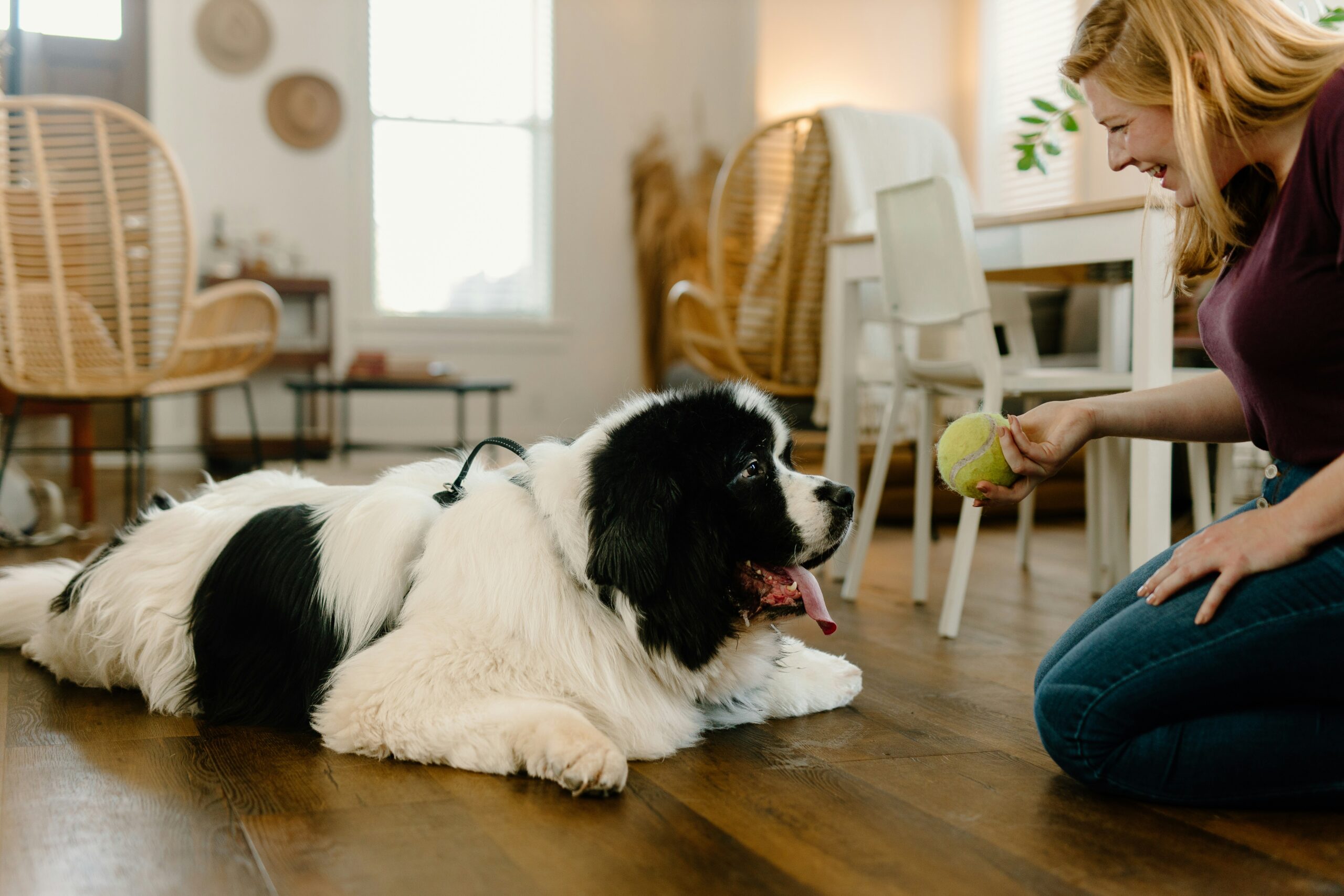
Create a Routine That Works for Both of You
Dogs benefit from predictable routines, particularly when it comes to meals, exercise, and rest.
Start by looking at your typical workday. Identify when you can consistently make time for walks, feeding, play, and toilet breaks.
For example, your weekday routine might include:
- Before work: A morning walk, breakfast, and a little playtime.
- During work: A toilet break and some companionship, arranged through a dog walker or sitter if needed.
- After work: A longer walk, dinner, and time together.
- Before bed: A final toilet break and an opportunity to settle down.
Your dog's age, health, temperament, and exercise requirements should shape this schedule. A young puppy needs more frequent toilet breaks and supervision than many healthy adult dogs.
Make Training Part of Your Everyday Routine
You don't need to set aside an entire evening for dog training. Short sessions can fit naturally into activities you're already doing.
Ask your dog to sit before putting down their dinner, practice recall during walks in a secure area, or reward calm behavior while you're answering emails.
Reward-based training is particularly important. The American Veterinary Society of Animal Behavior (AVSAB, 2021) recommends reward-based methods for dog training and behavior modification, citing their effectiveness and animal welfare benefits.
Treats can make these everyday lessons more motivating. Look for options your dog enjoys, with clearly listed ingredients and portions appropriate for their size.
For instance, Fresh Is Best offers freeze-dried chicken breast tenders made with a single listed ingredient: chicken breast. If you're comparing different types of training rewards, you can find out more here.
Keep in mind that these particular treats are made from raw, freeze-dried meat. The Centers for Disease Control and Prevention (CDC, 2025) advises against raw pet treats because freeze-drying doesn't eliminate all potentially harmful germs. Speak with your veterinarian before choosing them, especially if your household includes someone at higher risk of foodborne illness.
Whichever rewards you use, remember that treats shouldn't replace balanced meals. The American Animal Hospital Association (AAHA, 2021) recommends keeping treats to no more than 10% of your dog's daily calorie intake.
Keep Your Dog Entertained While You're Working
There's more to keeping your dog happy than taking them for walks.
Mental stimulation matters, too.
The American Society for the Prevention of Cruelty to Animals (ASPCA, n.d.-a) emphasizes the importance of activities that allow dogs to engage in natural behaviors, including sniffing, chewing, playing, and searching for food.
Fortunately, enrichment doesn't have to involve expensive gadgets. Try hiding small portions of your dog's usual kibble around a safe room, using a puzzle feeder, or teaching them a new trick.
A sniffing game can be particularly convenient when you're working from home. Scatter some kibble across a suitable snuffle mat and let your dog search for it while you tackle your inbox.
Introduce new toys under supervision to check they're suitable for your dog's chewing habits. A toy that works well during supervised play isn't automatically safe to leave with them unattended.
And remember, dogs also need uninterrupted rest. You don't have to entertain them constantly.
Plan Ahead for Long Days at the Office
Some workdays don't go according to plan. An unexpected meeting runs late, your commute takes longer than usual, or your manager asks you to attend an evening event.
Rather than hoping your dog will manage, build a backup plan before these situations happen. Consider finding a reliable dog walker, arranging help from a trusted friend, or researching local daycare services. When choosing professional pet care, ask about supervision, emergency procedures, handling methods, and how the provider accommodates different personalities. Not every dog enjoys daycare. Some prefer individual walks or quiet companionship at home.
You should also consider how your dog responds to being alone. The ASPCA (n.d.-b) identifies persistent barking, destructive behavior, and escape attempts as possible signs of separation anxiety, especially when accompanied by distress.
If you notice these behaviors, speak with your veterinarian rather than assuming your dog is simply bored. Genuine separation anxiety may require a structured behavior plan and professional support.
Don't Sacrifice Quality Time for Quantity
Working long hours can make you feel as though you're missing out on time with your dog.
But meaningful interactions don't always require hours of uninterrupted attention.
A relaxed evening walk, a short game of fetch, or practicing familiar commands can give you opportunities to connect.
Try putting your phone away during one daily walk. Let your dog stop and sniff instead of treating every outing as another task to finish.
You can also incorporate your dog into suitable weekend activities. Visit a dog-friendly walking trail, arrange a playdate with a compatible dog, or spend an afternoon exploring a new neighborhood.
Your dog doesn't need an elaborate adventure every weekend. Consistent attention and activities suited to their personality matter more.
Make Room in Your Budget for Pet Care
When you're establishing your career, money can be tight. Rent, student loans, transportation, and savings goals already demand a significant portion of your paycheck. Owning a dog adds another layer of financial responsibility.
Beyond food and routine veterinary care, remember to budget for grooming, parasite prevention, training, pet sitting, and unexpected medical expenses. Consider creating a separate pet-care savings fund. Even a manageable monthly contribution can help you prepare for future costs.
Pet insurance may also be worth researching. Compare premiums, deductibles, exclusions, and reimbursement limits before deciding whether a policy suits your circumstances.
Avoid cutting costs by postponing necessary veterinary treatment. Preventive care is part of responsible ownership, and your veterinarian can help you prioritize services based on your dog's individual needs (American Veterinary Medical Association [AVMA], n.d.).
Set Boundaries at Work Without Feeling Guilty
Being ambitious doesn't mean you have to accept every last-minute request or stay late every evening. Setting reasonable boundaries can benefit both your career and your personal life.
If your workplace offers flexible hours or remote-working opportunities, consider how these arrangements could help you manage your dog's care. You might start earlier to finish in time for an evening walk or arrange a longer lunch break when working from home. Of course, flexibility isn't available in every job. That's why dependable pet-care arrangements matter.
Most importantly, don't judge yourself against people whose schedules look completely different from yours. A colleague who works remotely five days a week may have more flexibility than someone commuting daily. That doesn't automatically make either person a better dog owner.
Conclusion: You Can Have a Career and Be a Great Dog Parent
Building a successful career and raising a happy dog aren't mutually exclusive. There will be busy weeks, unexpected challenges, and moments when balancing both feels difficult. What matters is recognizing your dog's needs and making realistic arrangements to meet them.
With consistent routines, thoughtful planning, appropriate exercise, and regular quality time, you can create a fulfilling life for your dog without putting your professional ambitions aside.
After all, being a great dog parent isn't about being available every second of the day. It's about making sure your dog feels cared for, safe, and loved, even when life gets busy.
References
American Animal Hospital Association. (2021). Prevention of obesity.
American Society for the Prevention of Cruelty to Animals. (n.d.-a). Canine DIY enrichment.
American Society for the Prevention of Cruelty to Animals. (n.d.-b). Separation anxiety.
American Veterinary Medical Association. (n.d.). Pet care.
American Veterinary Society of Animal Behavior. (2021). Humane dog training position statement.
Centers for Disease Control and Prevention. (2025, January 30). About pet food safety.