
What Comes Before the Clinic? Preparing to Become a Veterinarian
Becoming a veterinarian is a long process that starts well before a student walks into a clinic wearing a white coat. A genuine interest in animals may spark the idea, but veterinary medicine also demands a strong science background, practical experience and the ability to make careful decisions.
Students who are considering this career have plenty to think about before applying to veterinary school. Understanding what the profession involves, gaining experience with animals and preparing academically can make the path clearer.
Financial planning matters too. Veterinary education can be a significant investment, so understanding the costs early can help students make realistic plans.
Start With a Realistic Understanding of Veterinary Medicine
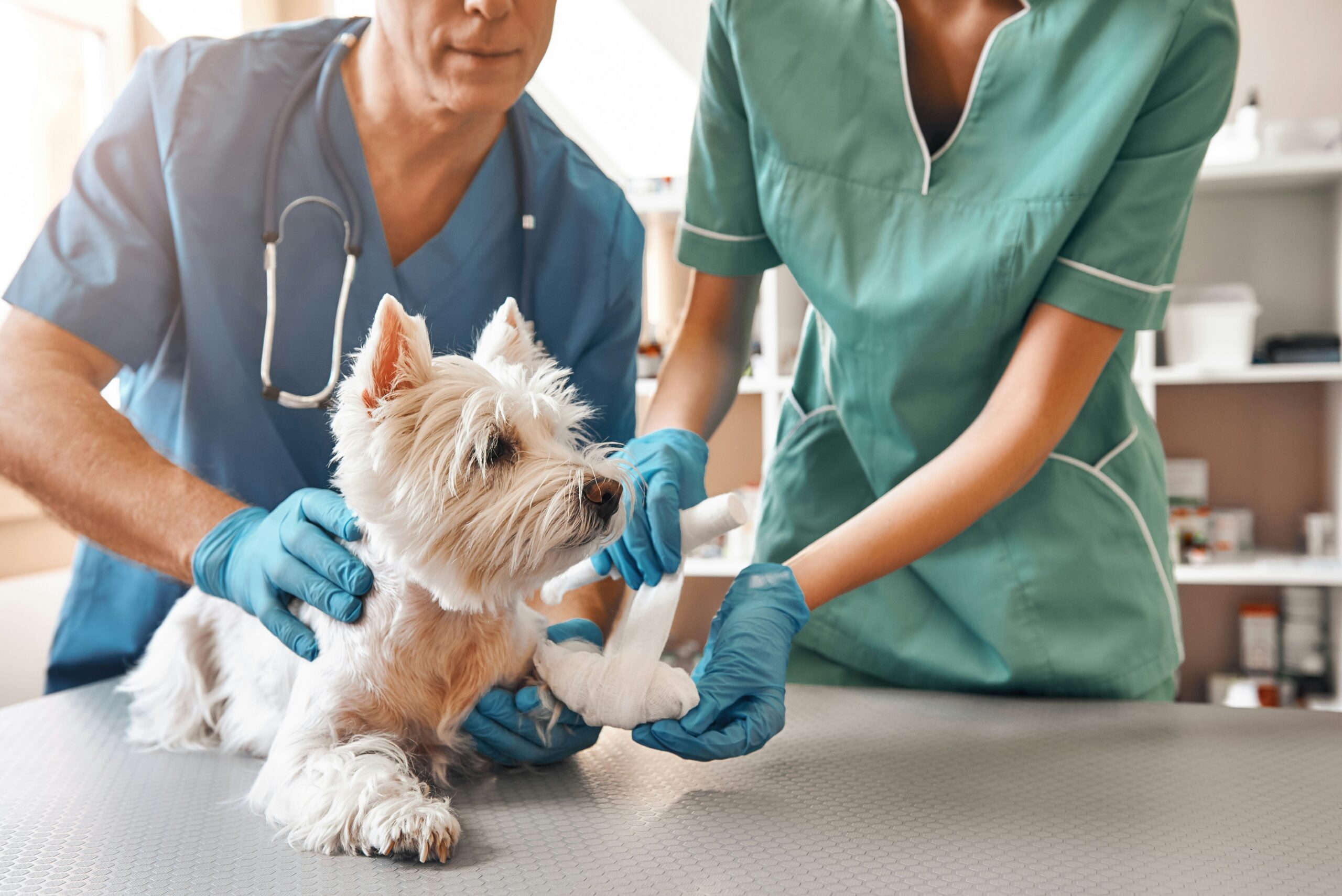
Veterinary medicine involves much more than treating household pets. Veterinarians can work with companion animals, livestock, wildlife and research subjects, while others pursue careers connected to public health or animal welfare.
The work can also be demanding. Veterinarians may treat injured animals, manage chronic conditions or help owners make difficult decisions about care. There are rewarding moments, but there are challenging ones too.
Getting some exposure to the profession before applying can help students develop a realistic understanding of what the career involves.
Build a Strong Academic Foundation
Science plays a central role in veterinary medicine, so academic preparation should begin early.
Courses in biology, chemistry and physics can provide useful preparation for more advanced veterinary subjects. Mathematics can also help students develop the analytical skills needed to understand scientific information and work through complex problems.
Good grades are important, but strong study habits matter too. Veterinary school involves a substantial amount of information, and students need to know how to organize their time and learn difficult concepts effectively.
Gain Experience Working With Animals
Hands-on experience can tell students things that a textbook cannot.
Volunteering at an animal shelter, shadowing a veterinarian or working with animals on a farm can provide insight into different aspects of animal care. Students may also find opportunities through wildlife organizations or other animal-related programs.
This experience can help students determine whether veterinary medicine genuinely suits them. It can also show the difference between enjoying animals as a hobby and being responsible for their health and welfare.
Exposure to different settings can be especially useful. A student who has only considered small animal practice may discover an interest in large animal medicine or another area.
Develop the Skills Veterinary Students Need
Veterinary medicine requires more than scientific knowledge. Students also need to develop skills that help them work with animals, owners and other professionals.
Problem-Solving and Observation
Animals cannot explain their symptoms directly, so veterinarians rely heavily on observation and analysis. A change in behavior, appetite or movement may provide an important clue.
Students need to learn how to gather information, consider possible explanations and determine what additional evidence may be needed.
Communication
Veterinarians regularly explain medical information to animal owners who may have little knowledge of veterinary medicine.
Being able to discuss diagnoses, treatment options and preventive care in clear language is an important part of the job. Good communication can also help build trust.
Compassion and Emotional Resilience
Veterinary professionals often work with animals and families during stressful situations. Compassion matters, but so does the ability to remain calm and professional when circumstances are difficult.
Developing emotional resilience can help future veterinarians manage the realities of the profession without losing sight of the importance of patient care.
Teamwork
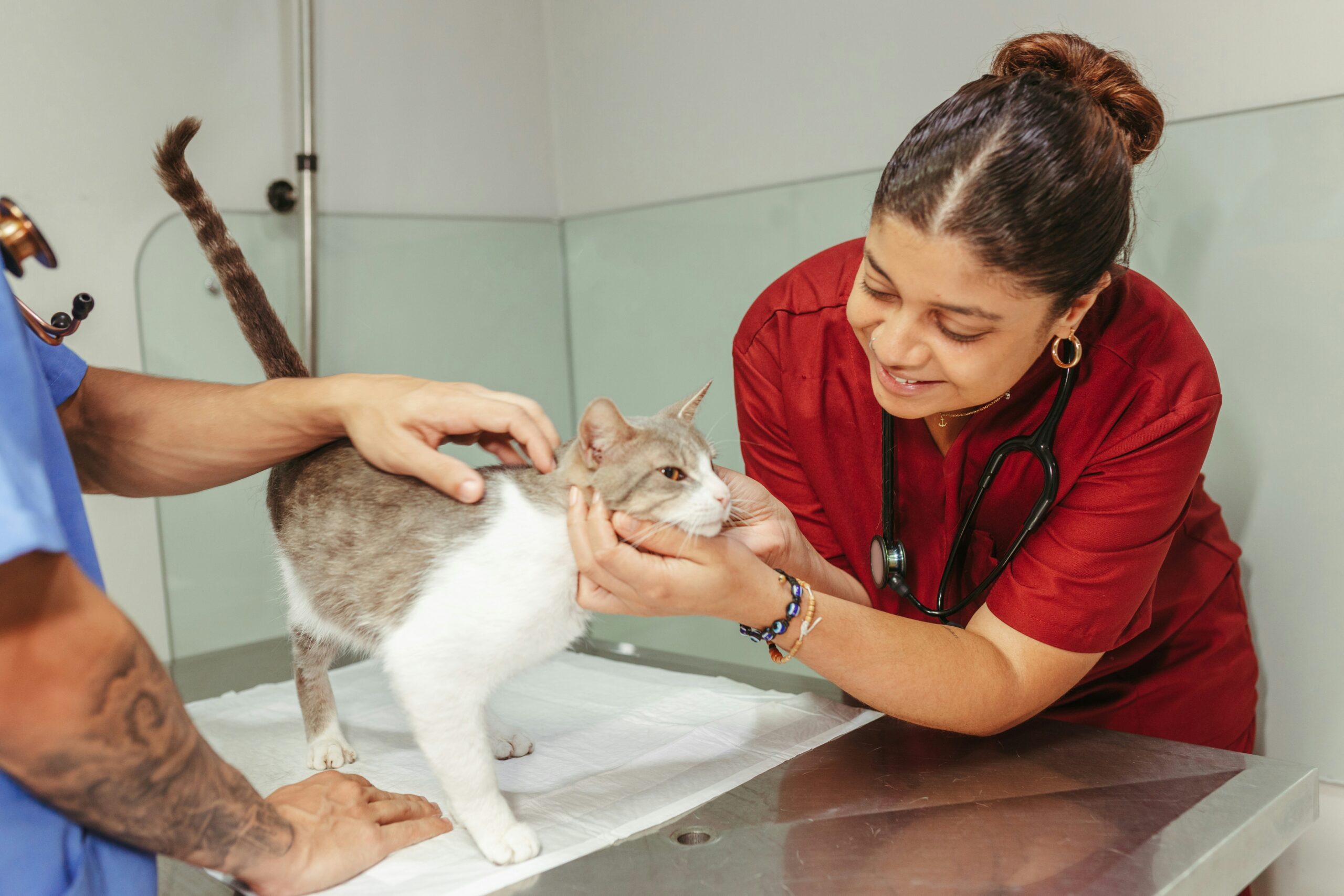
Veterinary care is rarely a one-person effort. Veterinarians work alongside technicians, assistants and other professionals.
Learning how to share information, listen to others and contribute to a team prepares students for the collaborative nature of clinical work.
Understand the Veterinary School Application Process
Applying to veterinary school requires preparation well before deadlines arrive.
Students may need to complete prerequisite courses, provide academic records, document animal or veterinary experience and submit personal statements or recommendations. Some programs may also include interviews as part of the admissions process.
Requirements can vary between schools, so students should research individual programs rather than assuming every application follows the same process.
Keeping a clear record of experience and important dates can make the process much easier to manage.
Research Veterinary Programs Carefully
Choosing a veterinary school is an important decision, and there is more to consider than location.
Students should look at the curriculum, clinical training opportunities, faculty expertise, research programs and available facilities. It is also worth considering whether a school offers opportunities connected to the areas of veterinary medicine that interest the student.
Financial considerations should be part of the comparison as well. Tuition is only one expense. Students may also need to budget for equipment, laboratory fees, books, technology, housing and transportation.
When savings and financial aid do not cover the full cost of a professional program, borrowing may become part of the plan. Students considering private loans for med school should weigh that option against other available resources and look closely at the interest rate, repayment requirements and total amount they would ultimately repay. This gives them a clearer idea of whether the financing fits comfortably within their expected budget.
Prepare for the Reality of Veterinary School
Veterinary school can be demanding. Students may spend long periods studying anatomy, physiology, pathology and other complex subjects before moving into more hands-on clinical training.
Time management becomes particularly important when coursework, laboratory work and other responsibilities overlap. Developing a consistent routine before starting school can make the transition easier.
It is also important to accept that some subjects will be difficult. Asking questions, working with classmates and seeking help when necessary are practical ways to handle challenging material.
Explore Different Veterinary Career Paths
Veterinary medicine offers a wide range of professional directions.
Some veterinarians focus on companion animals, while others work with large animals, wildlife or exotic species. There are also opportunities in research, public health, emergency care and specialized areas of veterinary medicine.
Students do not need to choose a permanent career path before entering veterinary school. Exposure to different areas can help them understand what type of work they find most rewarding.
Build Professional Connections Before Graduation
Meeting veterinarians and other animal health professionals can provide useful insight into the profession.
Students can build connections through shadowing opportunities, student organizations, research projects, conferences and other educational events. A conversation with someone already working in the field can reveal practical details that are difficult to learn from a course description.
Professional relationships can also provide mentorship and guidance as students make decisions about their education and career.
Avoid Common Preparation Mistakes
One of the biggest misconceptions about veterinary medicine is that loving animals is enough to succeed. Passion is valuable, but the profession also requires scientific knowledge, discipline and practical judgment.
Students can also make the mistake of focusing entirely on grades while overlooking hands-on experience. Waiting until the application deadline to research prerequisites or financial requirements can create unnecessary pressure.
Careful preparation gives students more time to address these areas and make decisions based on a realistic understanding of the profession.
Final Thoughts
The journey to becoming a veterinarian begins long before the first day of veterinary school. Academic preparation, animal experience, communication skills and financial planning all have a place in the process.
Students who take time to understand the profession and explore different career paths can approach veterinary school with a clearer sense of what they want to achieve.
Veterinary medicine is demanding, but for students who are prepared for both its scientific and human sides, it can provide a meaningful way to combine a passion for animals with a professional career.