
Why Neonatal Nursing Is One of the Most Needed (and Rewarding) Healthcare Paths
Premature births in the United States have been climbing for about a decade. Nearly 380,000 babies were born preterm in 2024, which is around one in ten births, and the national rate of 10.4% earned the country its fourth consecutive D+ grade on the 2025 March of Dimes Report Card.
Much less attention goes to the staffing side of that. Premature and critically ill newborns need nurses with specialized training, and there are not many of them.
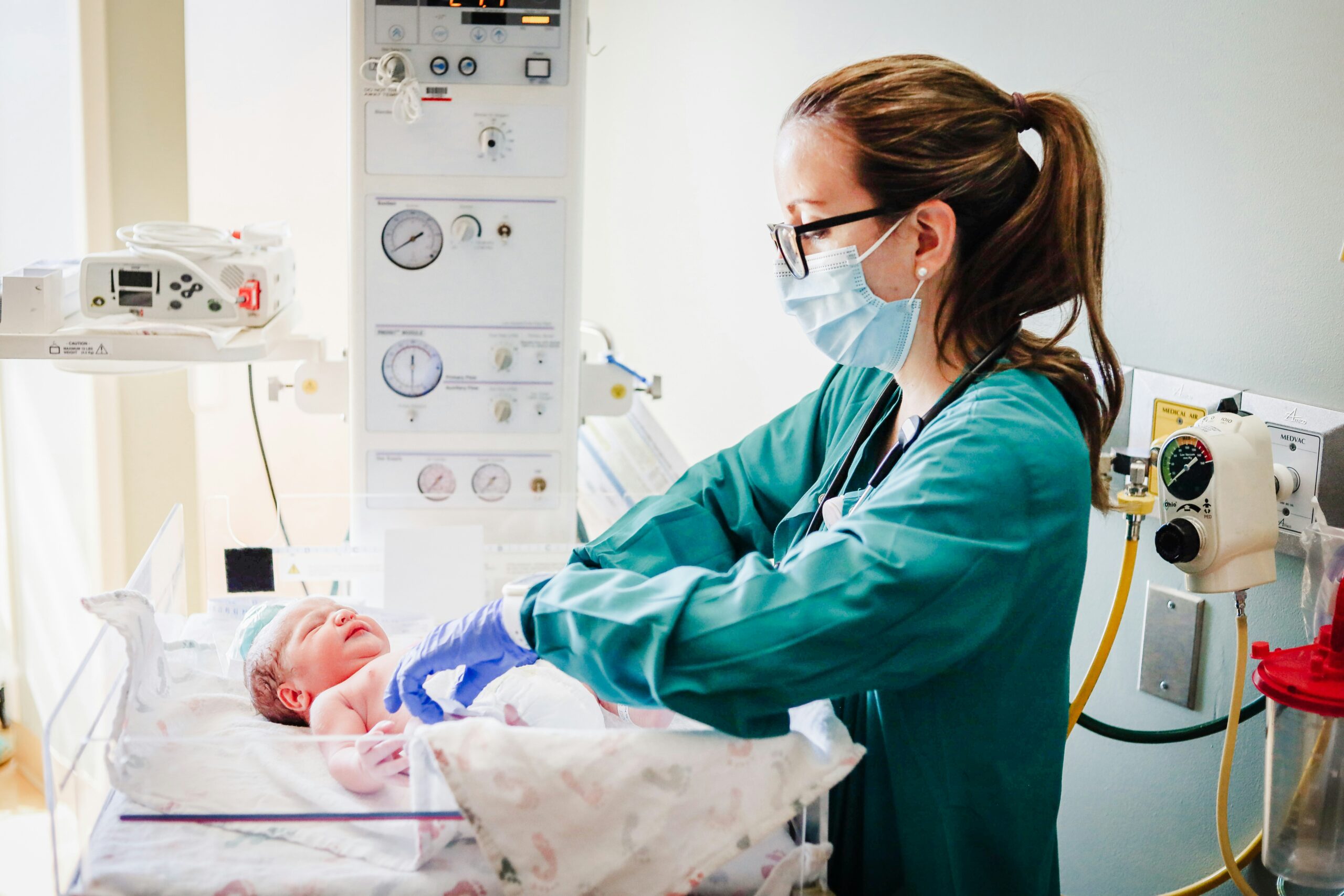
The scale of the preterm birth increase
A preterm birth is one that happens before 37 completed weeks of gestation, and it is still the leading cause of infant mortality in the United States.
National Center for Health Statistics data show the singleton preterm birth rate went from 7.74% to 8.67% between 2014 and 2022, an increase of 12%, with late preterm births making up most of it. Before 2014, the rate had been falling.
The national average hides a lot. March of Dimes put the preterm birth rate for babies born to Black mothers at 14.7%, about 1.5 times the figure for babies overall. Infant mortality sat at 5.6 deaths per 1,000 live births, which comes to more than 20,000 infant deaths a year.
The many factors behind the trend
There is no single cause, and the researchers who track this have said as much. When the federal figures came out in 2024, epidemiologists told us that the reasons are not clear, though they pointed to people having children later in life and to the growth in assisted reproduction.
A few factors come up again and again. Parents are having children at older ages, and chronic hypertension, gestational diabetes, and multiple births all become more common as maternal age rises. Hypertensive disorders in pregnancy have climbed steeply over the past three decades, and both diabetes and high blood pressure are strongly linked to early delivery. Access matters too. March of Dimes classifies about 35% of US counties as maternity care deserts, covering some 2.3 million women of reproductive age, and only 75.5% of women begin prenatal care in the first trimester.
Income also shows up in the data. A 2026 JAMA Network Open study of a decade of national survey responses found that preterm birth rates rose among low-income households while holding steady among higher-income ones. Black mothers had the highest rates at every income level, which the authors take as a sign that income by itself does not explain the gap.
What would bring the rate down
The measures that come up most often are slow and structural: earlier and more consistent prenatal care, better management of chronic conditions before and during pregnancy, longer postpartum Medicaid coverage, and obstetric services rebuilt in the counties that have lost them.
Clinicians generally think a good share of preterm births could be prevented, but prevention works on the timescale of policy cycles. In the meantime, about 380,000 infants a year arrive early and need skilled care straight away, which is where neonatal nurses come in.

The role of neonatal nurses and nurse practitioners
Neonatal nursing covers several levels of care, from well newborn nurseries up to Level IV NICUs that take the most complex cases. A registered nurse in a NICU handles feeding, monitoring, ventilation support, and family communication, often for infants weighing under two pounds.
Neonatal nurse practitioners work at the advanced practice end of that. An NNP diagnoses and manages care for high-risk and critically ill newborns, performs procedures, and follows infants through the first two years of life. Overnight, the NNP on duty is frequently the most senior clinician in the unit.
There are not many of them. About 7,871 nurses held active NNP certification through the National Certification Corporation in 2024, up from 5,433 in 2018, and that is still around 1% of the national nurse practitioner workforce. Meanwhile, a 2026 paper in Advances in Neonatal Care points out that accreditation changes cut pediatric residents' NICU rotations from July 2025, and that most academic medical centers are planning to hire advanced practice providers, NNPs in particular, to cover the hours those residents used to work.
Career pathways into neonatal nursing
The way in is a Bachelor of Science in Nursing and an RN license, followed by clinical experience in a neonatal unit. Nurses who want to stay at the bedside can build a long career there, and a specialty certification such as the RNC-NIC is the usual next step.
Moving up to nurse practitioner takes graduate study. Most neonatal nurse practitioner programs want at least a year of recent Level III NICU experience before you start, so the clinical years come first. Baylor University's Louise Herrington School of Nursing runs its online DNP-NNP track on that basis, with coursework online, 1,125 practicum hours on the BSN pathway, and a placement team that helps students find clinical sites and preceptors. Graduates sit the NNP certification exam through the National Certification Corporation.
Three things are worth checking before you apply anywhere:
Accreditation: Look for programs accredited by the Commission on Collegiate Nursing Education, which is what certification bodies and employers expect to see.
State authorization: Online nursing programs are approved to enroll students state by state, so check that your state is on the list.
Time: A BSN to DNP pathway generally runs a little over three years, and most schools advise against working full-time the whole way through.
The pay holds up. The Bureau of Labor Statistics puts the median nurse practitioner wage at $132,300 as of May 2025 and projects 41% job growth between 2025 and 2035, against 3% across all occupations. Neonatal specialists generally sit at or above that median, with shift differentials on top of it.
Where neonatal nursing goes from here
Neonatal nursing is hard work. The hours are long, and the patients are fragile, and the emotional side of it is not something that can be trained away.
Demand is the one thing the field does not lack. US preterm birth rates are not going to fall quickly, and nurses who move into neonatal units over the next few years will be working in departments that cannot run without them.