How Do You Know If Your Pest Problem Actually Needs a Professional?
You may spot a few ants near the kitchen, hear scratching sounds behind a wall, or find a spider in the basement and wonder whether the problem is serious enough to call a professional. A store-bought spray or trap can seem like the easiest answer, especially when the issue appears minor.
But what happens when pests keep returning after you've treated them?
The key to knowing when to call a pest control professional is recognizing patterns of activity around your home. Repeated sightings, signs in multiple areas, unsuccessful DIY treatments, property damage, or uncertainty about the source can all suggest you're dealing with more than an isolated pest issue.
Here are five signs that can help you decide when professional pest control is the right solution.

1. Pests Keep Returning
Imagine spraying ants around your kitchen and cleaning every surface, only to find another trail a few days later. That pattern suggests the visible ants may not be the whole problem. A nest, food source, moisture issue, or entry point could be keeping the activity going.
If you live in Columbus and face repeated pest activity, contacting a pest control company in Columbus can help you explore professional treatment options.
Pay attention to where pests appear and whether they return to the same locations. Ants near windows, cockroaches around plumbing, or spiders repeatedly appearing in a basement can provide useful clues. Recurring activity often means conditions around your home are allowing pests to survive, hide, or enter.
Professional help becomes more appropriate when reasonable DIY efforts fail to stop the activity. A trained technician can inspect likely entry points, hiding areas, moisture sources, and other conditions that may support pests.
Finding and addressing the source can be much more effective than repeatedly treating the insects you can see.
2. Signs Appear in Several Areas
Finding signs of pests throughout your home can indicate that the problem extends beyond one isolated location.
For example, discovering insects in both the kitchen and bathroom is generally more concerning than spotting a single insect near an exterior door. Activity across multiple rooms can suggest that pests have access to different parts of your home.
Look for evidence beyond live insects. Common warning signs include droppings, shed skins, nests, gnaw marks, damaged materials, unusual odors, and repeated sightings. Pay attention to where these signs appear because their location may help reveal where pests are hiding or how they're entering.
A professional inspection becomes especially valuable when several warning signs appear together.
An experienced technician can identify the pest, assess the extent of activity, and investigate conditions that may be contributing to the problem. This can help you avoid treating only the areas where pests happen to be visible while overlooking a larger infestation.
3. DIY Treatments Keep Failing
DIY pest treatments can be reasonable for minor, isolated issues. If you see an occasional insect and the activity stops after an appropriate treatment, you may not need professional service.
However, the situation changes when you repeatedly use sprays, traps, or baits and continue seeing pests.
Repeated treatment failure can mean the pest has been misidentified or the product hasn't reached its nesting or hiding area. You may also have an entry point that remains open, allowing new pests to move inside.
Simply applying more of the same product won't necessarily solve the underlying problem. In some cases, improper pesticide use can introduce additional risks without improving the results.
Consider professional help when reasonable DIY steps haven't produced lasting improvements. A pest control professional can identify the species, assess the conditions around your home, and determine whether a different treatment approach is needed.
Getting to the root of the problem can save you from spending more money on products that only provide temporary relief.
4. Pests Cause Property Damage
Some warning signs deserve prompt attention because certain pests can cause significant damage to your property.
Gnaw marks may indicate rodents, while damaged wood can raise concerns about termites or other wood-damaging pests. Nests, holes, and deteriorating materials may also indicate that pests have established themselves somewhere on the property.
It's important not to judge the seriousness of a pest problem based solely on visible damage.
Rodents can move through wall voids, attics, and other concealed areas. Termites can remain hidden within or around structural materials. Other pests may occupy spaces you rarely inspect, allowing activity to continue unnoticed.
Professional assessment is particularly important when you discover unexplained damage or evidence associated with rodents, termites, or other potentially destructive pests.
An inspection can help determine whether the signs indicate an active infestation and whether additional areas of your home may be affected.
Addressing these concerns early can also be an important part of preventing more extensive property damage and avoiding costly repairs.
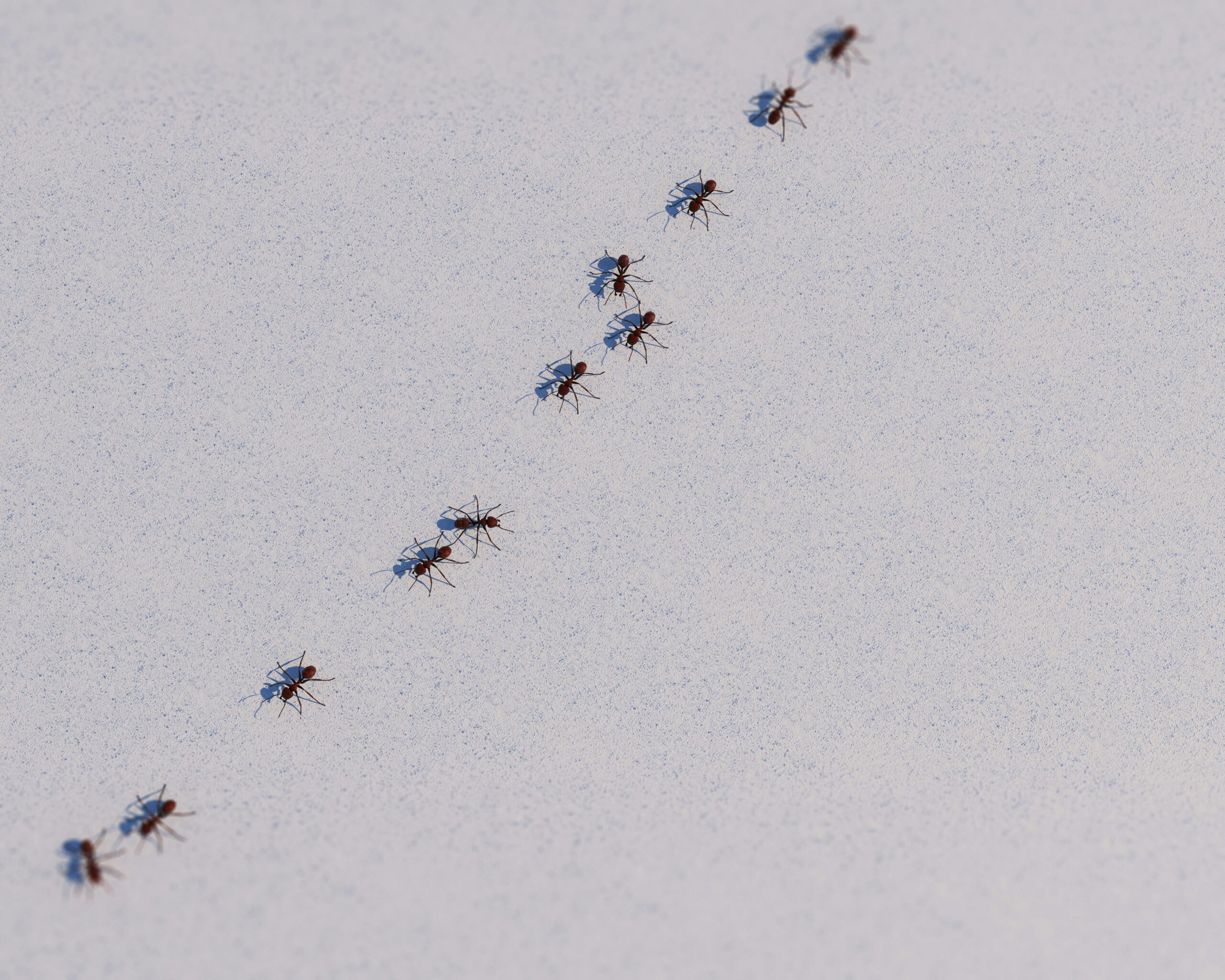
5. The Pest Source Remains Unknown
Sometimes the biggest challenge isn't getting rid of the pests you can see. It's figuring out where they're coming from in the first place.
Different insects can look similar, even though their behavior, nesting habits, and treatment requirements vary considerably. Using a random product without correctly identifying the pest can waste time and money.
The source can be just as difficult to locate.
You might notice insects around a window without finding an obvious exterior entry point. Or you may hear scratching sounds inside the walls without knowing how rodents entered your home.
Treating visible pests without addressing their source can leave you dealing with the same problem again and again.
A trained pest control professional can identify the pest, investigate likely entry and hiding areas, and recommend an appropriate course of action.
This approach provides a clearer understanding of the infestation and helps address the underlying cause instead of repeatedly reacting to individual pests.

Final Thoughts
Not every pest sighting requires professional treatment. However, when pests keep returning, warning signs appear throughout your home, DIY treatments stop working, or property damage becomes visible, it's worth taking a closer look.
The same applies when you can't identify the pest or determine where it's coming from.
Start by noting where you see activity and checking for droppings, nests, damage, entry points, or repeated sightings. Keeping track of these details can help a professional better understand the situation.
If the signs continue or you're unable to locate the source, consider scheduling a professional pest inspection.
Taking action early can help you find an appropriate solution, protect your home, and avoid wasting additional time and money on treatments that don't address the real problem.