
Electric Breast Pump Cycle and Suction Settings Decoded
Most new parents do not struggle with finding the power button on an electric breast pump. They struggle with the quieter questions that come right after: what the cycle is doing, why there are two kinds of modes, and how high suction should really go when output looks fine but the breast feels wrong.
The manual lists steps for how to use an electric breast pump, yet it rarely explains why stimulation mode is not meant to run unchanged for twenty minutes, or how to nudge settings when one breast is fuller than the other. If you want calmer sessions with less second-guessing when engorgement, a new work week, or one breast that lags shows up, the sections ahead turn those dials into simple choices you can repeat the next time you pump.
This article is for education only and is not medical advice. If you have pain, fever, spreading redness, or repeated plugged ducts, contact your clinician.
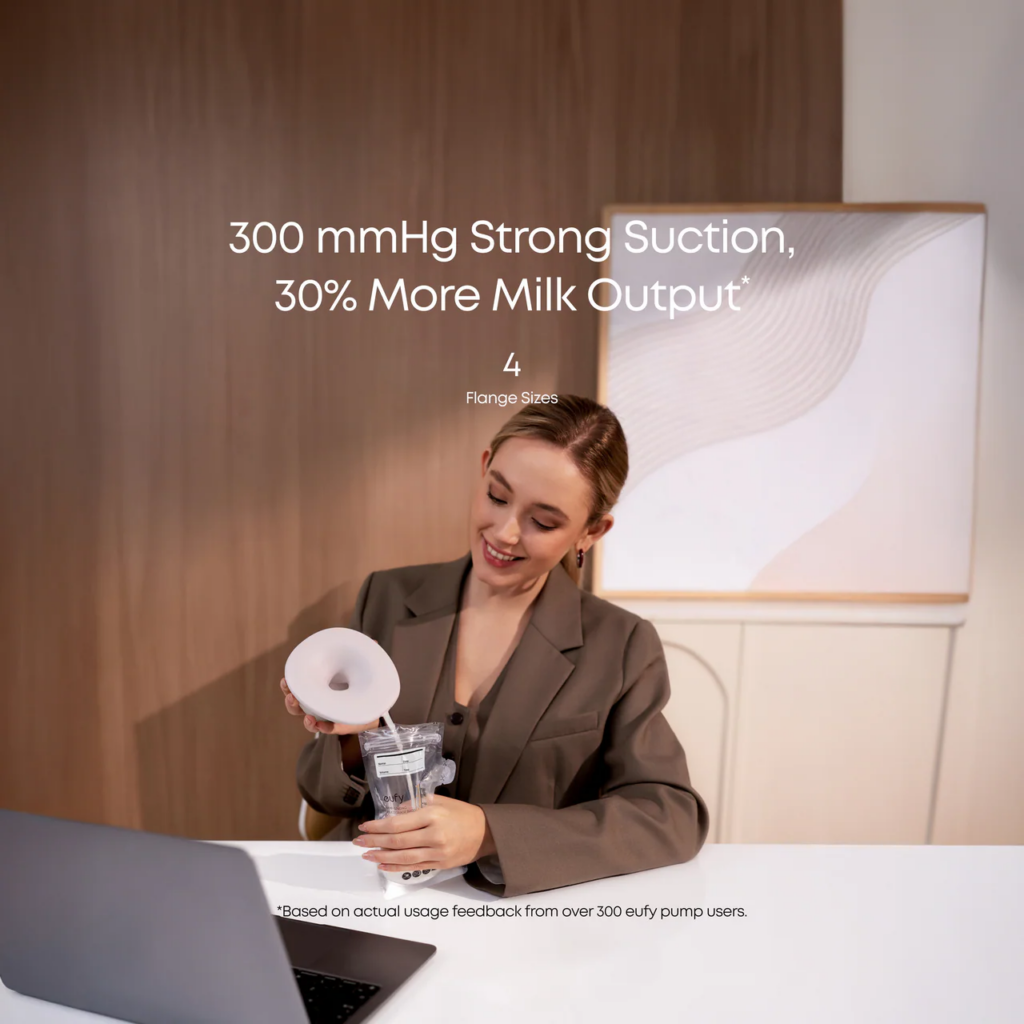
Table of Contents
- What cycle and suction mean on an electric breast pump
- How stimulation and expression modes work
- Why suction and timing change comfort and volume
- Signals that tell you to change a setting
- Use cases for common pumping goals
- After each session cleaning and quick part checks
- Where a smart double electric pump fits when settings matter
- Conclusion
What cycle and suction mean on an electric breast pump
On most pumps,a cycle (sometimes called speed or frequency) describes how often the motor pulls and releases each minute. Faster cycles often feel lighter and more fluttery. Slower cycles usually feel deeper and more drawn out per pull.
Suction is how strong each pull feels against the nipple and areola when the valve closes. Stronger suction can move milk faster once flow has started, but it can also blunt output if the tissue tightens or the seal breaks.
Together, cycle and suction are the two levers manufacturers use to approximate what a baby does at the breast: quick, shallow stimulation early in a feed, then slower, fuller pulls once milk is moving.
How stimulation and expression modes work
Stimulation (massage or letdown mode) is built around faster cycles and moderate suction. The goal is to trigger oxytocin, so milk shifts from storage areas toward the nipple. Many people see sprays or hear swallowing change on a baby for the same reason: the pattern comes first, volume follows.
Expression mode slows the cycle and allows stronger, steadier vacuum during each pull. Once flow has started, slower rhythm gives ducts time to refill between pulls. Staying in stimulation the whole session can feel busy on the nipple without ever giving the breast the longer pulls that move larger volumes.
Double electric breast pump modes simply run that pattern on both sides at once. For many parents, simultaneous pumping saves time and can help some sessions yield more total volume than one sided pumping, especially when time between feeds is long.
| Idea | Stimulation | Expression |
| Typical feel | Quick, light, tickly | Slower, fuller, steady |
| Main job | Encourage letdown | Move milk already flowing |
| Common pitfall | Cranking suction because output is slow | Jumping in before letdown |
Why suction and timing change comfort and volume
Higher suction is not a loyalty test. When vacuum is too high for your current engorgement or flange fit, the areola can swell inside the tunnel, milk slows, and the session feels worse without moving more milk.
Starting low and stepping up gives you a map of what your tissue tolerates that day. Hormones, time since the last feed, caffeine, stress, and sleep all shift that map, which is why copying someone else's "best settings"often disappoints.
Duration interacts with cycle in a practical way: a few minutes of stimulation followed by expression is a common default because letdown is a reflex with a warm up. If you skip straight to deep slow pulls, some people still do well, many need the shorter warm up first.
Signals that tell you to change a setting
Think of these as body feedback instead of failure modes.
- Pinching or friction at the base of the nipple often points to flange fit or alignment before it points to suction level.
- White rings or creased nipples after a session suggest vacuum or time in expression is high relative to what the tissue can handle that day.
- Spraying then trickling within the first minutes can mean expression started before letdown finished; a short return to stimulation sometimes restarts flow.
- Dull ache that builds through the session is prompt to lower suction or shorten the block of time at the highest level you use.
Listening for those cues builds a habit that scales better than chasing a single “max” number on the dial.
Use cases for common pumping goals
Possible clog or heavy spot
Keep stimulation gentle, avoid the urge to overpower a stuck area with peak suction, and pair pumping with rest, fluids, and guidance from a lactation professional if pain is worsening. Heat on the pump side, where your clinician says it is appropriate, can support comfort for some people.
Supply building
Frequency usually matters more than any heroic session. When you add sessions, start each one conservatively on suction so you can repeat the pattern tomorrow.
Workday pumping
Predictable timing plus settings you can repeat without soreness beats a louder session that empties fast once and leaves you tender for the next block.
Night pumping
Lower stimulation time and softer suction often feel kinder when you are half awake; the goal is to relieve pressure and get back to sleep, not to match your daytime power session.
After each session cleaning and quick part checks
Milk residue affects valves, seals, and how vacuum feels the next time. Rinse milk contact parts soon after pumping, wash with fragrance free soap per your pump instructions, and air dry on a clean surface. For a full walkthrough of disassembly order and drying habits, see eufy's guide to breast pump cleaning.
For storage windows that usually cover commutes and childcare handoffs, the CDC summarizes freshly expressed milk as up to 4 hours at room temperature (77°F or colder), up to 4 days in the refrigerator, and up to 24 hours in an insulated cooler with frozen ice packs while you travel—then refrigerate, freeze, or feed it at your destination. For longer backup, the same guidance points to about 6 months in the freezer for best quality (up to 12 months still acceptable). See the CDC page on breast milk storage and preparation for full detail, labeling tips, and thawing rules.
Before you assemble the next session, glance at duckbill valves for tears, confirm the diaphragm seats evenly, and make sure flanges click in straight. A small air leak is enough to change how expression mode feels without any obvious error message.
If you are comparing models or lining up spare parts before a heavier pumping week, the Breast Pump collection at eufy lists current bundles and accessories in one place so you can match them to how often you pump.
Where a smart double electric pump fits when settings matter
When pumping lands in short gaps between meetings, daycare handoffs, or keeping another child fed, what matters is whether you can change rhythm and pull strength each session, not only how loud the motor is. A double wearable setup runs stimulation and expression on both sides while you stay upright and somewhat mobile. On eufy’s wearable models you can adjust pull strength in seven steps, try three pumping rhythms, and save patterns in the phone app, so one breast can start softer when it feels fuller or slower to let down than the other.
The eufy Wearable Breast Pump S1 Pro adds HeatFlow warming you can dial up or down when a little heat helps you settle into the pull, a charging case that refreshes both pumps between outings so you spend less time hunting outlets during a busy week, and noise under 46 decibels for late-night pumps or an open desk.
Every piece that touches milk uses plastics and silicone meant for food contact and made without BPA. The box includes the usual 24 millimeter breast shields plus smaller rings that narrow the tunnel, so you can try a few sizes in the opening week instead of locking one measurement from memory alone.

Conclusion
Cycle controls rhythm. Suction controls depth. Stimulation exists to buy time for letdown. Expression exists to move milk once the reflex is engaged. When you treat those roles as separate jobs inside the same session, electric breast pump settings stop feeling like mystery dials and start feeling like something you can adjust with intention. Keep suction patient, use faster cycles when flow needs a nudge, shift slower when volume is steady, and reset any time your breast tells you the map changed.