Mindful Home Design for Better Mental Well-being
Ever walked into your home after a long day and felt your shoulders instantly drop? Or maybe you’ve felt the opposite, where a messy, chaotic space just adds to your stress. It’s no secret that where we live really affects our mood and how we feel.
Making your home a place that truly supports your well-being isn't about chasing trends; it's about picking things on purpose to turn your space into a real sanctuary.
The Impact of Your Surroundings
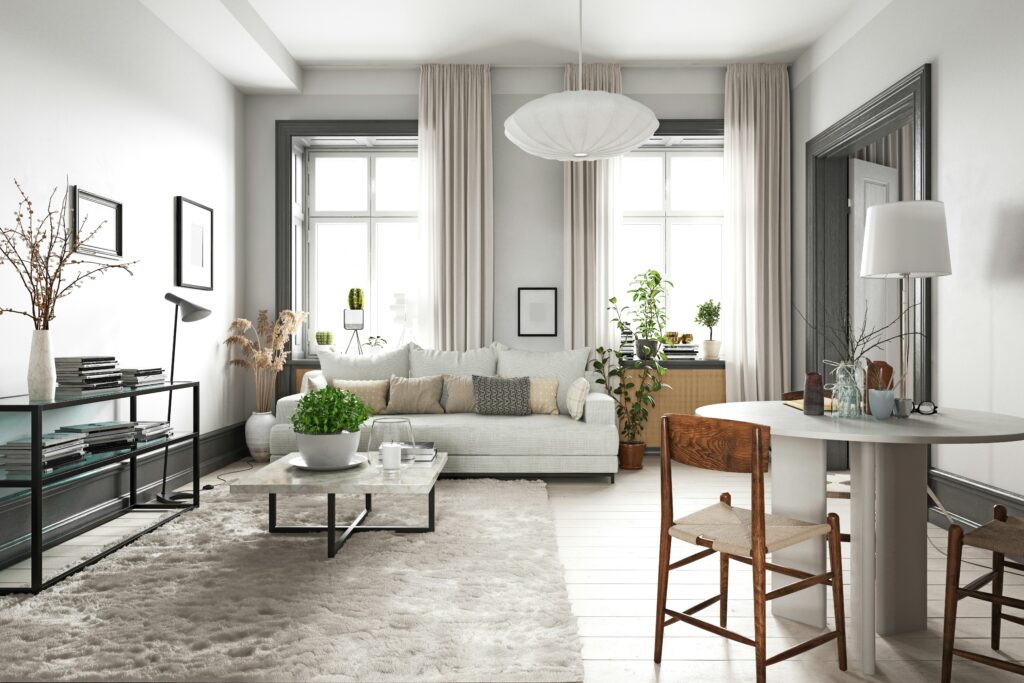
Your home isn't just where you sleep and eat; it's the background to your whole life. The colors on the walls, how much stuff is piled up, and the kind of light you have all send little messages to your brain.
Studies show a strong connection between our physical surroundings and our mental health. A home designed with a bit of thought can calm your worries, lift your spirits, and even help you get more done. The ideas behind designing for well-being show how making careful choices in how you set up your home can lead to a more supportive and relaxing life there.
Light for Mood and Focus
Lighting is one of the best ways to change how a room feels. First, let in as much natural light as you can. Keep windows clear and use thin curtains so sunlight can filter in.
For artificial light, think about layers. You'll want some general light for the whole room, task lighting for things like reading, and accent lighting to show off special features. Dimmers are awesome because they let you control how bright things are and what mood you want.
To get a warm, welcoming glow, try adding wall sconces. The soft, indirect light from some of the top luxury timeless brass wall lights can make a living room or bedroom feel instantly cozier and more upscale.
Curate a Calming Aesthetic
How your home looks should feel like it's really you. If you're going for a calmer vibe, start with your color scheme. Gentle, nature-inspired colors like sage green, dusty blue, and warm beige are known to be very soothing.
This doesn't mean you have to skip bright colors entirely. Use them in small doses, like on pillows, art, or one piece of furniture, to add personality without making the room feel too busy. Also, think about how abstract art murals can give you a lift. The main thing is to create a look that feels balanced and pleasant to your eyes, not just whatever's popular online.

Declutter Your Mind and Space
It’s tough to think clearly when your home is full of clutter. All those messy piles can make you feel stressed and overwhelmed. But tackling clutter doesn't have to be a huge weekend project. Just start small. Spend 15 minutes each day on one little spot, like a single drawer, a shelf, or your coffee table.
The goal is to have "a place for everything, and everything in its place." When all your stuff has a home, tidying up becomes a quick, easy habit instead of a massive chore. This process not only helps you organize your home but also clears your mind.
Sensory Details Matter
A mindful home involves more than just what you see. Think about your other senses to create a truly comforting and immersive space.
- Touch: Bring in different textures. Imagine soft, chunky knit blankets, smooth wooden surfaces, plush rugs, and velvet pillows. These things you can feel make a space feel more inviting and luxurious.
- Smell: Scents are strongly linked to memories and feelings. Use essential oil diffusers, good quality candles, or fresh flowers to fill your home with calming smells like lavender, chamomile, or sandalwood.
- Sound: Pay attention to the sounds in your home. If you live somewhere noisy, consider using rugs and fabrics to soak up sound. You can also add calming sounds with a small water feature or a playlist of relaxing music.
Making these small changes can help you transform your space and mind into a haven.
Your home should be the one place where you can truly recharge. By making thoughtful choices about your surroundings, you can design a space that not only looks great but also feels wonderful.