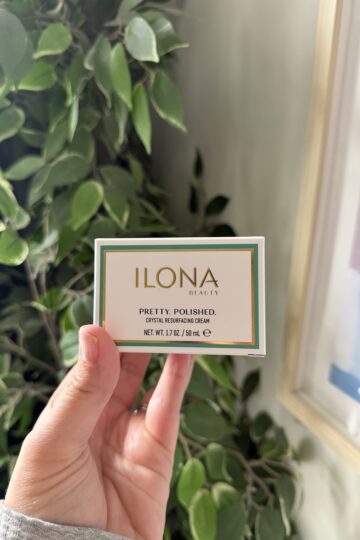
What Makes a High-End Moisturizer Different? Find Out Here
A high-end moisturizer gets judged by more than a soft finish or attractive container. Its value rests on ingredient quality, delivery, testing, stability, and compatibility with individual skin needs. Dermatology-informed care also considers barrier function, water loss, inflammation, and tolerance. These factors explain why two creams with similar claims can feel very different. A careful review helps shoppers choose meaningful formulations instead of relying on price or polished advertising.
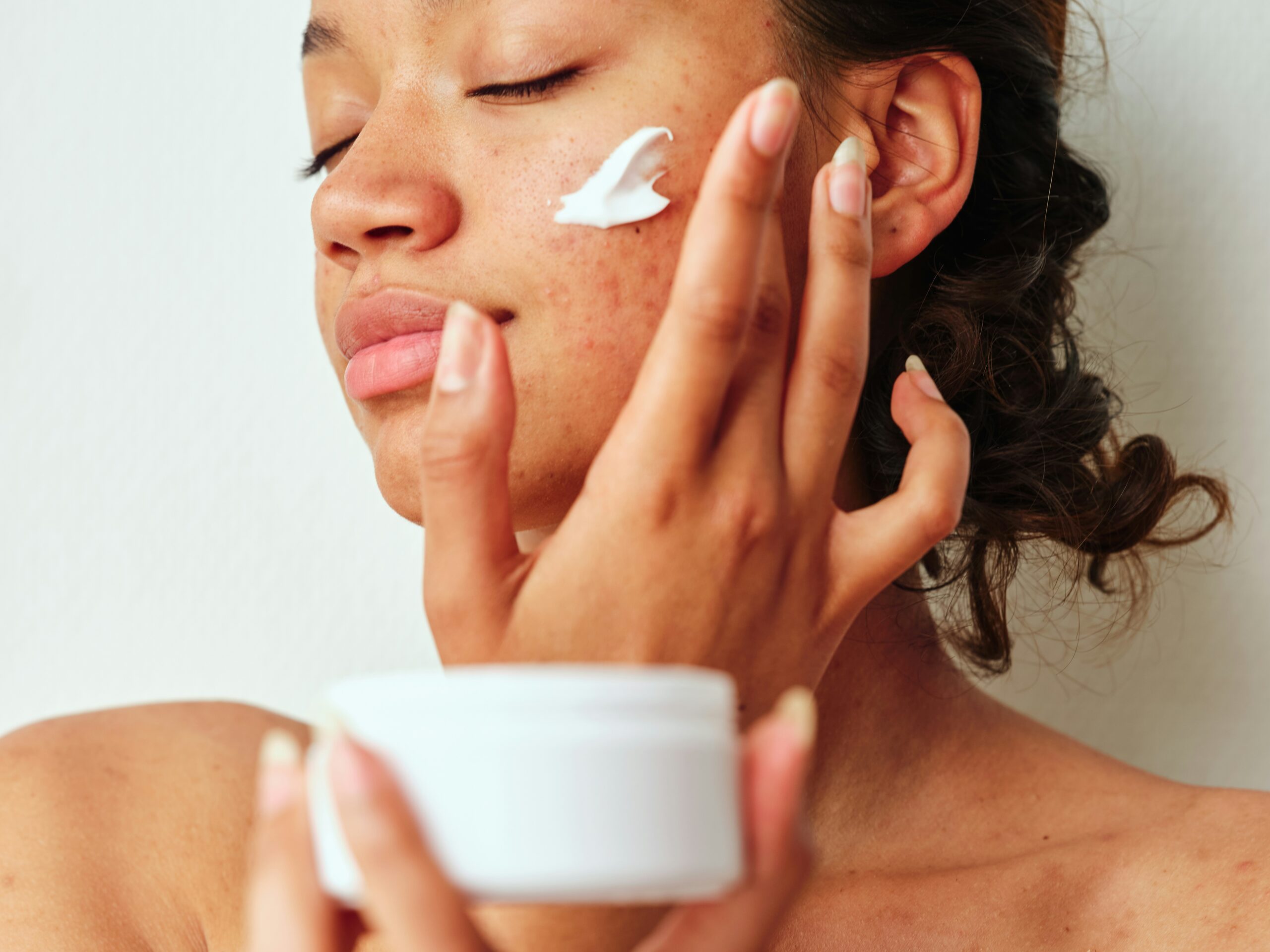
Formula Quality Matters
A premium face cream begins with proportion, not an oversized ingredient list. Humectants draw water into the outer layers, emollients smooth rough areas, and occlusives reduce evaporation. The best formulas coordinate these functions without leaving a greasy film. A high-end moisturizer should feel comfortable to apply, remain stable in its container, and suit regular use. That combination separates thoughtful skincare from an expensive product with limited practical value.
Ingredient Selection Supports Results
Ingredient selection affects both immediate comfort and longer-term skin appearance. Beneficial formulas may contain glycerin, hyaluronic acid, ceramides, botanical compounds, peptides, or antioxidant nutrients. Each material should have a clear role within the blend. Excessive fragrance, unnecessary colorants, or poorly balanced oils can reduce tolerance for sensitive complexions. A shorter ingredient list isn't automatically better, but every addition should justify its place.
Antioxidant Support
Antioxidants help limit oxidative stress linked with ultraviolet exposure and airborne pollutants. They may also help maintain an even-looking tone and reduce the dull appearance associated with environmental strain. Plant-derived compounds can work alongside laboratory-developed actives, provided the finished formula remains stable. Testing matters because antioxidant performance depends on concentration, delivery, storage conditions, and continued protection from air and light.
Texture Reflects Formulation Skill
Texture influences spread, absorption, layering, and adherence to a daily routine. A well-balanced cream glides across the face, settles without tackiness, and does not compete with sunscreen. Some people prefer a whipped consistency, while others need a richer base for persistent dryness. Those differences involve more than preference. Texture affects how much product you apply and whether your skin feels comfortable hours later.
Performance Needs Consistency
Moisturizers cannot replace sun protection, adequate cleansing, or treatment for diagnosed conditions. Their main role is to reinforce comfort and reduce surface water loss through repeated use. Visible improvement usually requires patience because the epidermal barrier changes gradually. Assess softness, tightness, flaking, and irritation over several weeks. Daily application offers more insightful evidence than judging a cream after one afternoon.
Sensory Experience Has Purpose
A pleasant sensory profile encourages regular application, which directly affects results. The cream should spread evenly, absorb at a reasonable pace, and leave skin prepared for daytime protection or cosmetics. Fragrance can improve enjoyment for some users but may trigger stinging or redness in others. A refined texture has clinical value when it increases adherence without creating congestion, residue, or discomfort.
Packaging Can Protect the Formula
Packaging contributes to hygiene and ingredient preservation. Pumps and airless dispensers limit repeated contact with fingers, while protective containers reduce exposure to oxygen and light. Those conditions matter for delicate antioxidants, botanical extracts, and certain vitamins. Clear instructions should explain quantity, timing, storage, and suitability. A beautiful jar has little value if its format exposes the contents or makes accurate dosing difficult.
Testing Adds Useful Evidence
Reliable product assessment should extend beyond customer impressions. Dermatological testing may examine irritation, tolerance, or compatibility across a selected group of participants. Instrument measurements can track hydration, surface smoothness, or water loss. Consumer studies offer another perspective, though personal expectations may shape responses. Together, these forms of evidence give shoppers a stronger basis for judging performance than broad promises alone.
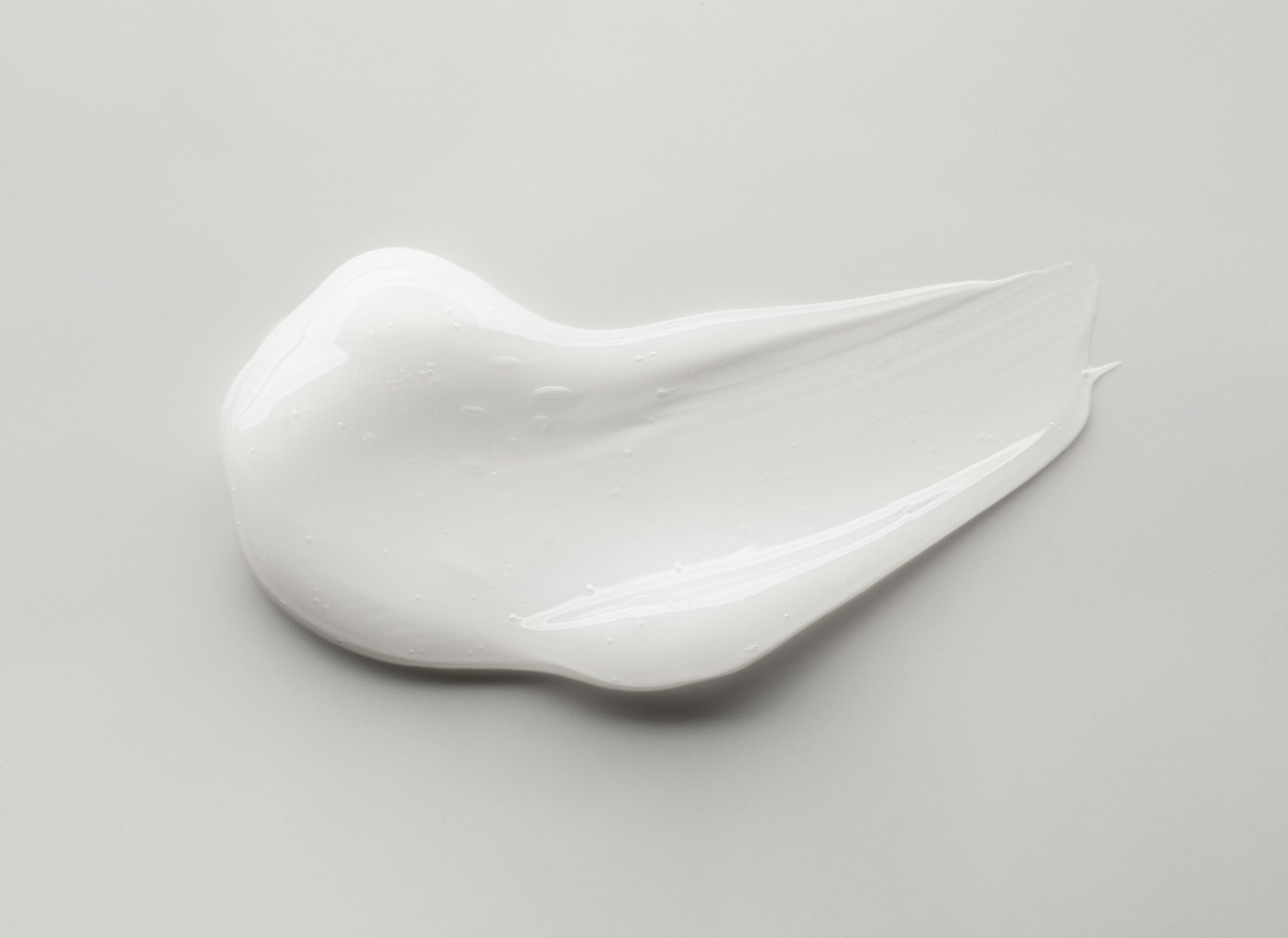
High-End Does Not Mean Universal
A costly moisturizer may still be unsuitable for a particular person. Existing eczema, rosacea, acne treatment, allergies, or recent procedures can alter tolerance. Patch testing on a small area provides a cautious starting point, especially when a formula contains fragrance or numerous plant extracts. Persistent burning, swelling, or rash requires professional assessment. Quality matters, yet suitability remains the deciding factor for safe daily care.
Value Comes From the Complete Experience
A premium cream earns its price through several connected qualities. Ingredient integrity, formulation balance, packaging, testing, texture, and skin compatibility all contribute to impactful performance. No single exceptional component can compensate for poor stability or an uncomfortable base. The strongest product fits its user’s needs, encourages consistent application, and produces measurable improvements in comfort or appearance. That is a more reliable definition of luxury than cost alone.
Conclusion
A high-end moisturizer differs through disciplined formulation rather than decoration. Its ingredients should address hydration, barrier protection, comfort, and visible texture while remaining suitable for repeated use. Stability, packaging, testing, and sensory qualities also affect real-world performance. The right choice depends on skin type, current concerns, climate, and routine. Careful selection turns a face cream from a cosmetic purchase into a considered part of everyday skin health.