
Why Visiting Laser Hair Removal Specialists Saves You More Time
Shaving, waxing, and tweezing make hair removal a recurring part of a person’s weekly routine, with preparation, appointments, and aftercare taking up more time. Laser hair removal eases that cycle by targeting hair follicles beneath the skin and limiting future growth over several sessions.
The time savings become clearer when treatment matches the area, hair type, and skin tone. A professional assessment also prevents wasted appointments and unsuitable methods, which makes specialist care a practical choice for long-term hair management.
Repeated Hair Removal Takes More Time Than Expected
Shaving removes hair at the skin’s surface, so the process requires frequent repetition. People also spend time buying supplies, preparing the skin, cleaning tools, and treating razor bumps afterward.
Waxing creates another scheduling burden. Hair needs enough length for wax to grip, so each appointment requires planning around regrowth. Tweezing takes even longer because each hair strand must be removed separately.
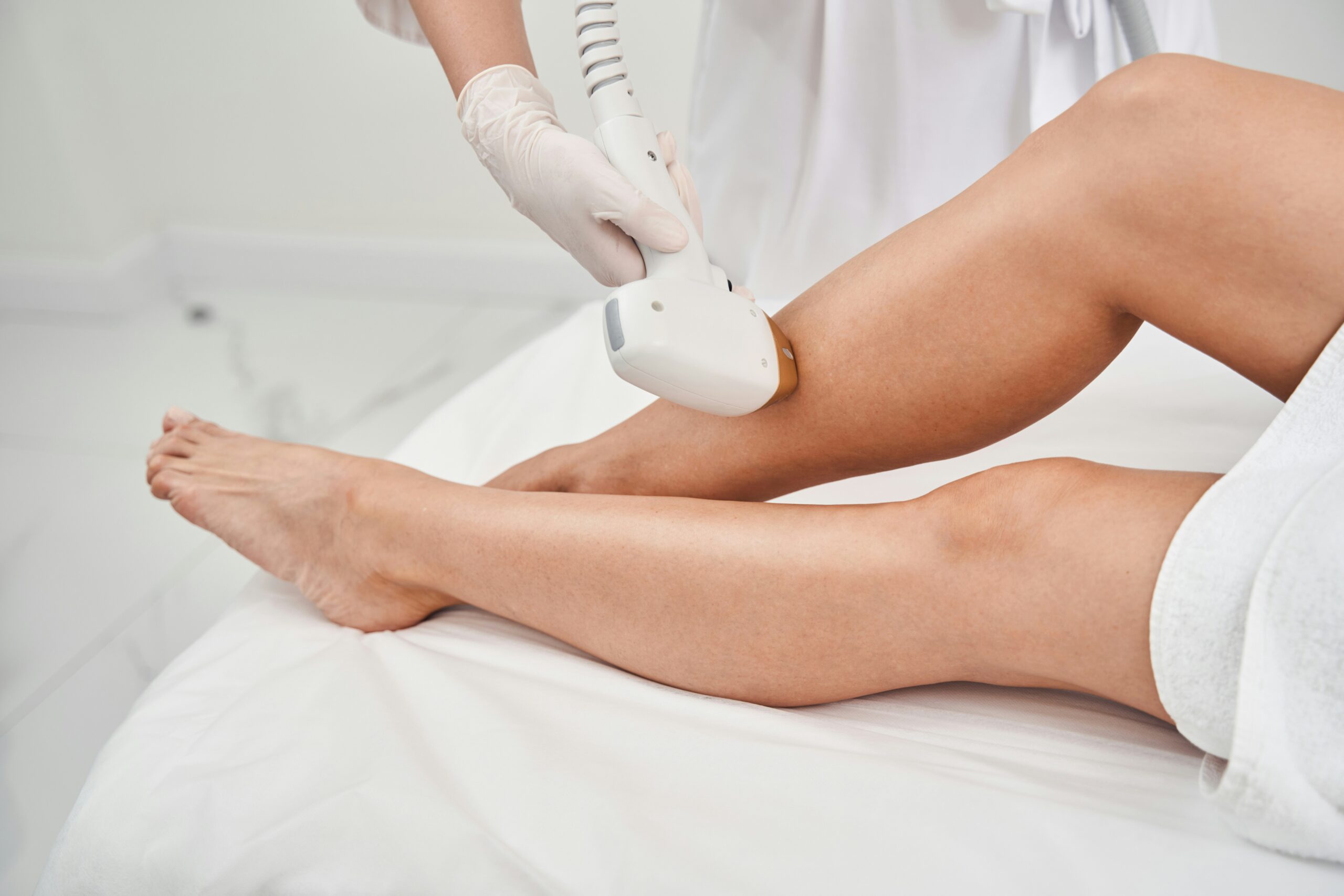
Laser treatment changes that routine by targeting the follicle instead of trimming or pulling visible hair. Treated hairs gradually shed, while affected follicles produce less hair over time.
People comparing laser hair removal specialists in Los Angeles should look for clinical experience, suitable laser technology, and clear treatment guidance. Reviewing laser hair removal specialists helps patients understand why professional care may prove more worthwhile than repeated home maintenance.
A specialist assesses the treatment area, discusses skin and hair characteristics, and explains preparation requirements before the first session. That planning reduces avoidable delays and helps each appointment address the right area efficiently.
Specialists Plan Sessions Around Hair Growth
Hair grows in cycles, and laser energy works best when follicles are in an active growth phase. One appointment cannot target every follicle simultaneously, so patients need a planned series of treatments.
A specialist evaluates the area and sets an appropriate schedule. This prevents two common time losses: booking sessions too close together and waiting so long that progress becomes harder to track.
Treatment times also vary by area. A small upper-lip appointment takes less time than treating the legs, back, or chest. Accurate scheduling helps patients fit sessions around work, family, and travel.
Professional Equipment Covers More Area
Waxing and tweezing focus on individual hairs or small sections. Shaving covers larger areas, but the result lasts only until visible stubble returns.
Laser devices send concentrated light pulses across the desired treatment area. During each pass, the energy reaches multiple follicles. This makes treating larger areas together more practical than removing hairs individually.
Specialists also adjust pulse size, intensity, and duration for each treatment area. These settings account for hair density, follicle depth, and differences in skin and hair color. Proper adjustments support efficient coverage and reduce unnecessary repeat work.
Better Preparation Prevents Delays
Professional instructions eliminate guesswork before an appointment. Patients receive guidance about shaving, sun exposure, skin products, and other factors that affect treatment timing. Following these instructions helps prevent rescheduling. It also keeps the laser focused on the required follicles and reduces complications. This approach lowers skin irritation.
Patients should disclose recent tanning, skin sensitivity, medications, and previously used hair removal methods during consultations. Clear information allows specialists to decide whether treatment can be initiated right away.
Cooling Methods Improve Appointment Comfort
Laser pulses can sting, but several techniques reduce discomfort during treatment. A Dynamic Cooling Device sprays calibrated coolant onto the skin, while topical anesthetics provide additional numbing when appropriate.
Short laser pulses also limit how long each area is exposed to energy. When the process is comfortable, patients can complete scheduled appointments instead of delaying treatment because of unnecessary distress.
Aftercare instructions help patients return to normal routines. Temporary redness or irritation can occur, but professionals explain what to expect and how to care for treated skin.
Long-Term Results Reduce Daily Maintenance
Laser hair removal requires multiple sessions, but its long-term schedule differs from shaving or waxing. Traditional methods demand repeated appointments or frequent home care. As treated follicles produce less hair after laser treatment, patients spend less time removing visible hair. This change affects daily preparation, especially for people who need to manage large areas such as the legs, back, underarms, or bikini line.
Treatment results vary with hair color, skin tone, follicle density, and treatment area. A specialist can set realistic expectations and identify which areas deserve priority when time is limited.
Conclusion
Visiting a laser hair removal specialist can reduce the time spent on ongoing removal by replacing repeated surface-level maintenance with a planned process that targets hair follicles. Professional assessment helps prevent unsuitable settings, missed growth cycles, and unnecessary appointments.
Patients can schedule a consultation to check if laser hair removal might work for them. Next, they can list the areas that consume the most time and discuss skin tone, hair color, previous removal methods, and treatment scheduling with professionals before choosing a plan.