Why midi dresses have become one of the most adaptable pieces in the modern wardrobe
Few garments look at home at a wedding, a team meeting, and a Sunday lunch. The midi dress manages all three, and its staying power says plenty about how Britons now shop.
1. The Perfect Balance Between Casual and Occasion Dressing
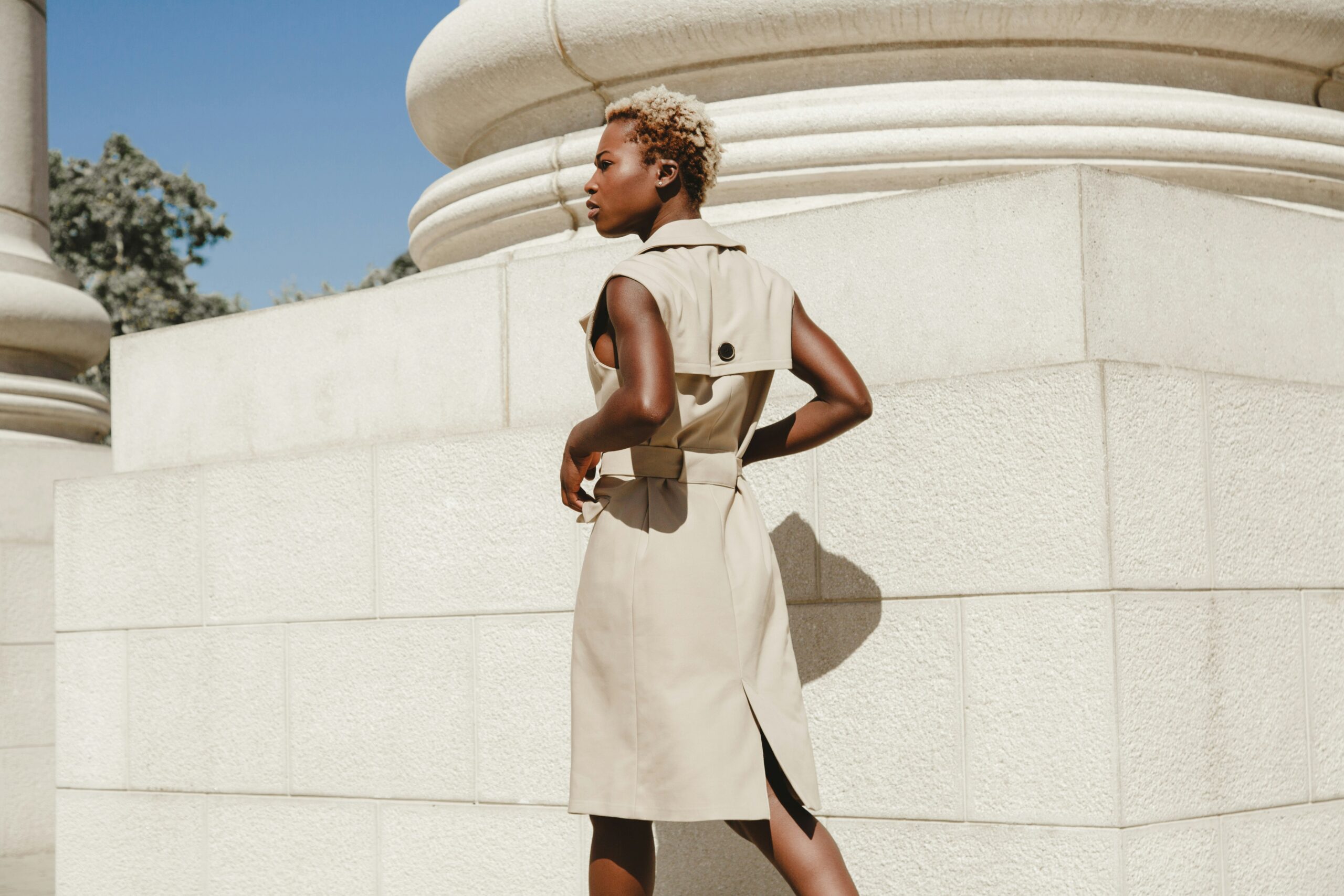
A hem that falls somewhere between knee and calf gives the wearer a useful middle ground. It looks polished enough for a client meeting or a wedding invitation, yet relaxed enough for weekend brunch.
Because it avoids the extremes of mini and maxi, it has outlasted several rounds of changing trends, and a single dress can cover far more of the calendar than many shoppers expect.
The length also suits a wide range of heights and body shapes, which helps explain why the silhouette turns up in so many wardrobes.
2. Why Versatile Clothing Is Becoming More Valuable to Shoppers
Value has become the deciding factor for many buyers. Research commissioned by Affirm and reported by Just Style in March 2026 found that 70% of UK adults consider cost-per-wear when buying clothes, while 44% plan purchases carefully to avoid impulse buys.
Pieces that stretch across several occasions suit that mindset neatly.
Take midi dresses as a case in point: swap trainers for heels or a denim jacket for a blazer, and the same dress moves from the office to an evening out or a holiday with barely any extra spend.
3. How Layering Has Increased the Year-Round Appeal of Midi-Length Styles
British weather doesn’t follow the forecast, and this is where the length really helps.
A midi dress pairs with a chunky knit and ankle boots in November, a tailored jacket in spring, and bare arms with sandals in July.
Tights, a belt, or a lightweight scarf can shift the look again without the need for another purchase, which makes year-round wear realistic instead of aspirational.
4. The Shift Towards Longevity and More Thoughtful Fashion Choices
The final shift concerns how long clothes stay in use.
WRAP, the UK charity focused on cutting waste, reported in December 2025 that 49% of used textiles end up in the bin and that the average person throws away 35 items of clothing each year.
Figures like these have nudged many shoppers towards classic proportions that don’t look dated after a single season.
Choosing well-made pieces and wearing them often remains one of the simplest ways to keep clothing out of the waste stream. Fewer, better pieces also tend to cost less over time, which ties neatly back to cost-per-wear.
Final Thoughts
The midi dress endures because it answers practical questions: will it be worn more than once, in more than one season, and in more than one setting?
As cost-per-wear and textile waste both attract closer attention, a versatile hem is a sensible place to start.