Navigating Modern Boys' Fashion: A Practical Guide for Parents
There was a time when outfitting a kid was a fifteen-minute errand — a few multipacks of plain tees, two pairs of sturdy jeans, and you were done for the season.
Those days are gone. Boys now form opinions about their own clothes earlier than ever, picking up cues from pop culture, social media, and whatever's popular on the playground. For parents, that means a trip to the store — or a late-night scroll through an online shop — can turn into a genuinely overwhelming task. Really, all you want is something that fits and won't fall apart. The trick is figuring out how to balance what's trendy with what's actually practical, durable, and comfortable for a kid who's constantly outgrowing everything.
The good news: keeping up with boys' fashion doesn't mean chasing every microtrend. It's more about understanding where casual wear, athletic gear, and personal style meet in the middle. Lean into versatile pieces, tough fabrics, and let your son have a say — and you'll land on a wardrobe that actually gets worn.
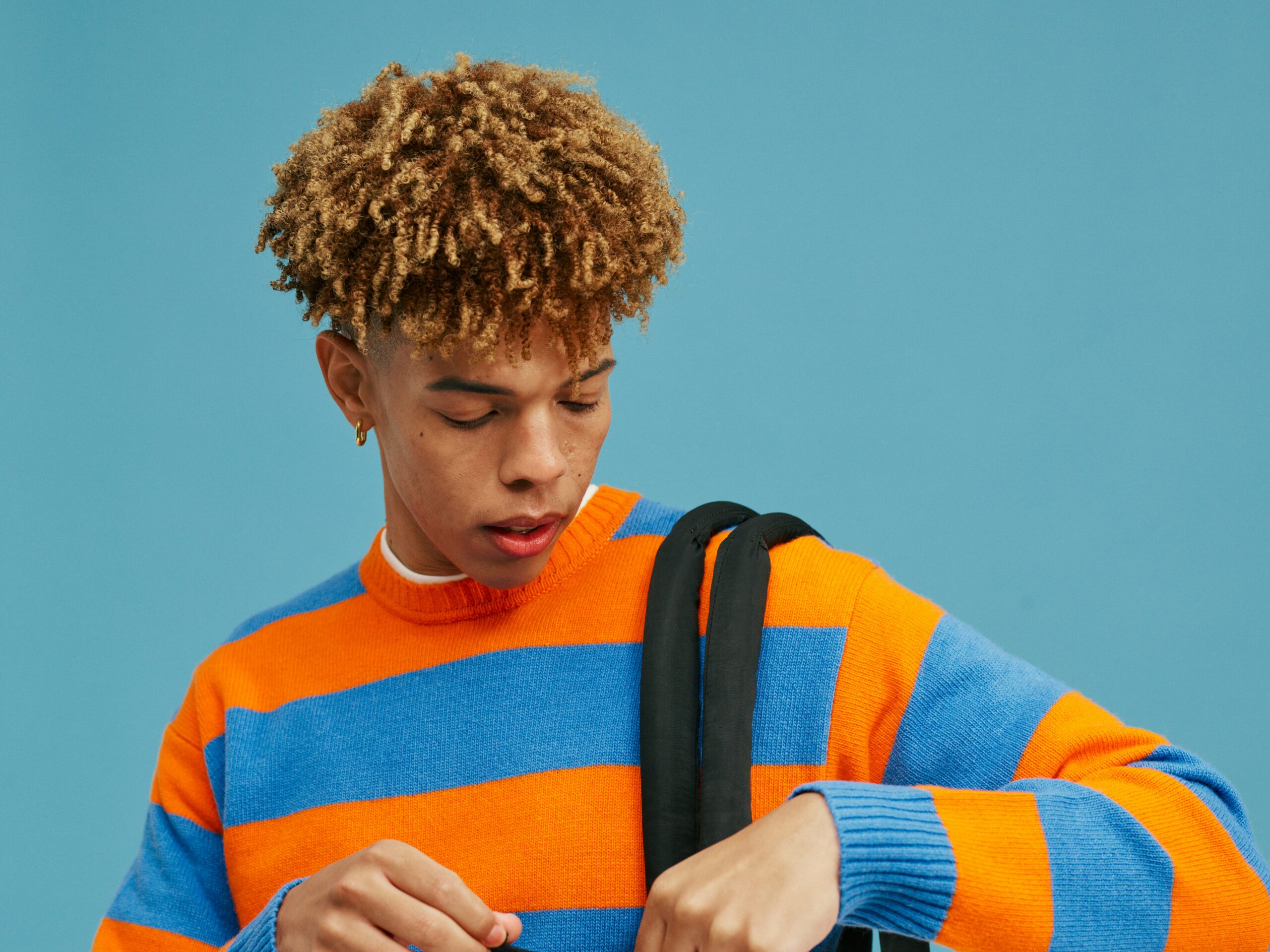
The Evolution of Style for Young Boys
Comfort and function have taken over. The stiff, itchy formal wear once reserved for everyday use has all but disappeared, replaced by streetwear and athletic-inspired pieces — relaxed fits, oversized hoodies, utility joggers, sneakers as the finishing touch.
For parents, this is honestly a gift. Where clothing once prioritized looking put-together over moving freely, the opposite is now true, and softer, more flexible materials hold up better to the chaos of actual kid life. What takes more effort is sorting the fleeting fads from the well-made basics built to survive playground tag, spilled juice, art class, and the washing machine on repeat.
Ever bought a pair of pants and privately wondered if they'd last a single afternoon at the park? Most parents have.
Key Essentials for a Modern Wardrobe
Rather than assembling full outfits for specific occasions, build from a base of modular pieces that mix and match without much thought.
Core Tops: Layering and Comfort
Graphic tees haven't gone anywhere, but the graphics have gotten quieter — minimalist logos, subtle texture, earth tones instead of loud prints. Solid cotton crewnecks in navy, olive, heather gray, and cream do most of the heavy lifting as a base layer.
Layering pieces pull their weight too. A denim jacket, a lightweight flannel, or a zip-up hoodie can dress up a plain tee in seconds — and layering happens to be the easiest way to handle a school day that starts cold and ends warm.
Bottoms: Beyond the Standard Denim
Straight-leg jeans aren't obsolete, but they've been joined — if not overtaken — by cargo pants and fleece joggers built to move. Reinforced knees and adjustable waistbands are worth seeking out, since a drawstring or elastic tab can buy a pair of pants a few extra months before they're outgrown.
When it's warm, canvas shorts or breathable athletic shorts hold up without weighing a kid down. Stiff, restrictive fabrics are worth avoiding here — nobody needs heavy denim in the middle of July.
Footwear: Function Meets Streetwear
Sneakers tend to anchor the whole outfit these days. Low-top leather or canvas pairs in white, gray, or black go with nearly everything, from joggers to dressier trousers.
For school shoes specifically, arch support and cushioned soles matter, and closures like velcro or elastic laces make life easier for younger boys who haven't mastered tying yet.
How to Shop Smart: A Practical Strategy for Parents

Boys' shoes and clothing shopping doesn't need to be a fight or a money pit. A little strategy goes a long way toward making sure what you buy actually gets worn.
1. Involve Your Child in the Decision-Making
A classic misstep: buying a whole wardrobe solo, then discovering half of it never leaves the drawer because of fit, texture, or taste. Loop your son in early — ask about colors he gravitates toward, or what his friends have been wearing.
Treat the shopping trip like a joint project instead of a chore you're doing alone. Letting him choose between two options you've already approved builds his confidence and means fewer clothes going unworn — and it's a decent bit of bonding, too.
2. Pay Attention to Fabric and Construction
Kids put clothing through its paces. Before you buy, check seams, zipper quality, and fabric weight — cotton, cotton blends, and reinforced canvas typically outlast thin synthetics. If your child is bothered by scratchy tags or rough stitching, it's worth checking the interior seams too.
3. Buy for Growth Without Sacrificing Fit
Sizing up so clothes last longer is tempting, and a slightly loose fit fits right into current trends anyway. But go too big and it starts looking sloppy — and can actually get in the way of running around. One size up is a reasonable ceiling for tops and outerwear; for pants, let an adjustable waist do that job instead.
4. Focus on Capsule Colors
A tight, cohesive color palette stretches a wardrobe further than you'd expect. Charcoal, navy, beige, and white as your base colors mean almost any top works with almost any bottom — save the bold colors and patterns for accessories, shoes, or one standout jacket.
Finding the Right Balance
Boys' fashion today comes down to self-expression, comfort, and practicality, in roughly that order. Your job is to set the boundaries — quality, budget, function — and then step back and let your son's personality do the rest.
Get the essentials right and make the decisions together, and clothes shopping quits being a chore. It turns into just another small, creative piece of watching your kid grow up.