How to Visit Iceland on a Budget by Camping in Þórsmörk
Most visitors picture a budget Iceland trip as a cramped rental car, a long loop of the Ring Road and supermarket sandwiches eaten at viewpoints. A dedicated guide to camping in Iceland is the handiest place to compare campsite facilities and opening dates, which turns choosing a single base into a quick job. The cheaper approach is to stop moving: pitch a tent in Þórsmörk, a highland valley that buses reach and that Icelanders themselves fill on summer weekends.
The car drains most Iceland budgets, more than food or beds do. Take it out of the plan, or shrink it to a few days, and the numbers start to look reasonable.
Why Þórsmörk works for a tight budget
You can't reach it in an ordinary car, so Þórsmörk removes the biggest expense from the trip before you've booked anything.
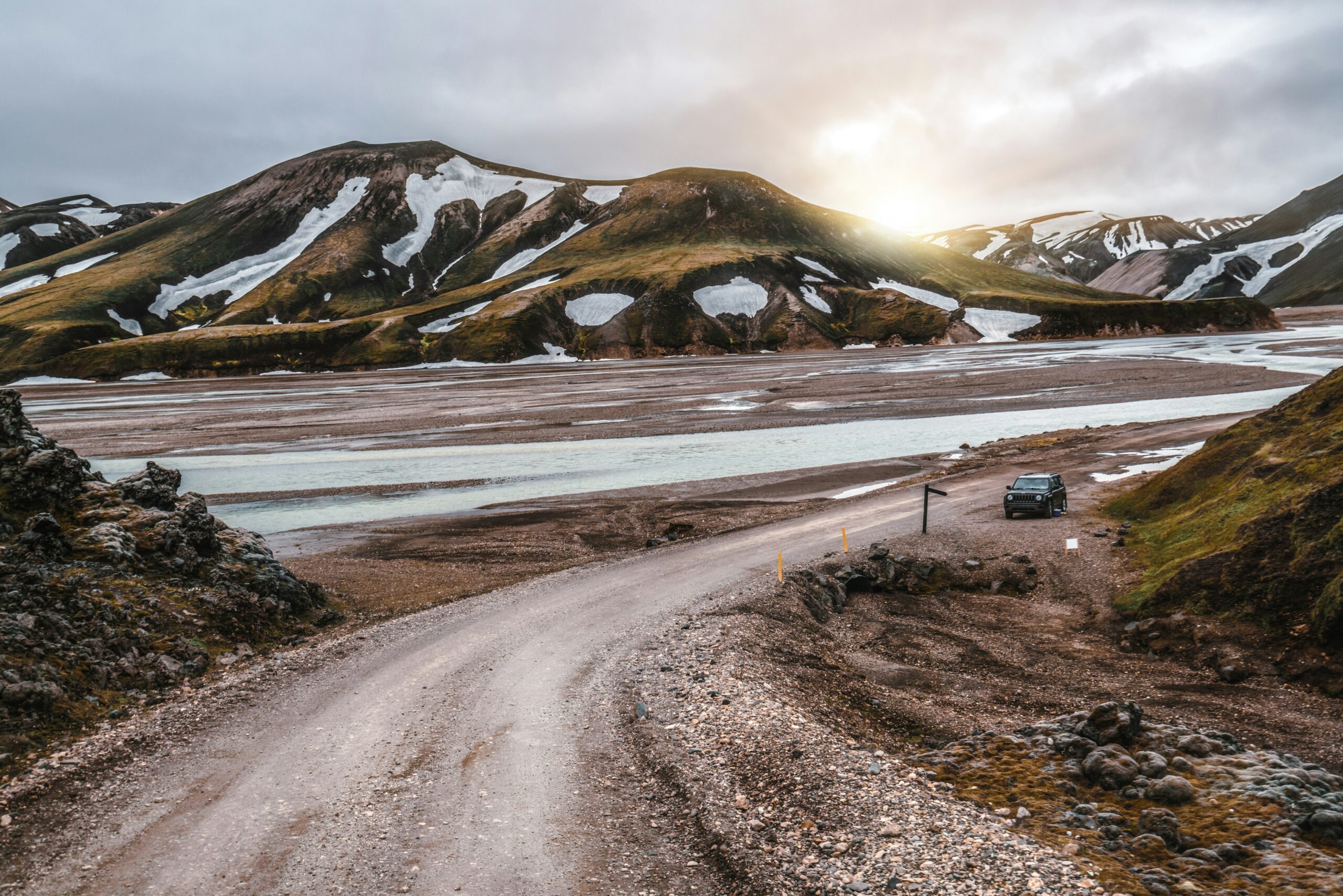
The valley is accessible only by truck or bus. That sounds like an obstacle. For a budget traveller it's a gift. You arrive, set up camp and spend the following days walking straight out of the tent into glacier-framed valleys, ridges and birch scrub. There's no fuel bill, no nightly hunt for a guesthouse and no temptation to drive three hours to the next famous waterfall.
It also helps that this is where locals go. Icelanders camp in Þórsmörk in summer for the same reason visitors should: it's beautiful, it's walkable and nobody has to drive once they're there.
How do you get there without your own vehicle?
Take the bus. Summer highland buses are built for this route, with the clearance and drivers to handle the rough track and river crossings into the valley.
Book the outbound and return legs together so your camping dates are fixed around the schedule. Bring enough food for the whole stay. Facilities in the valley are basic, and buying everything locally costs more than carrying it in.
The bus is also the honest choice for most people. Driving a rental into Þórsmörk yourself is a gamble with someone else's vehicle and your own deposit.
When the mountain roads open
Late June at the earliest, and often later.
Most mountain roads stay closed until the end of June or beyond because the ground is wet and muddy after the thaw. The interior as a whole opens only in summer. That puts a sensible Þórsmörk trip in July or August.
Don't lock in non-refundable bus tickets or flights for the third week of June and hope. A late spring can push openings back, and a closed road means a closed road. If you're set on early summer, keep the first few days flexible and save the highlands for the end of the trip.
Do you need a 4x4 or an F-road vehicle?
Outside the interior, no. A four-wheel-drive vehicle is needed only in the highlands, and the highlands open only in summer.
Roads marked with an F prefix, such as F128, require four-wheel drive and may call for snow tyres too. Ordinary two-wheel-drive rentals aren't meant for them, so read your rental contract before assuming any F-road is fine.
The Ring Road and the south coast are paved. A small two-wheel-drive car handles them without trouble. Paying for a 4x4 across a whole trip just to cover a day or two in the interior is the classic way to waste money in Iceland.
Is renting a car worth the cost?
Sometimes, for a few days. Rarely for the whole trip.
Rental prices are high. Sources put two-wheel drive at a minimum of 4,000 kr per day and four-wheel drive at upwards of 12,000 kr per day. Over a two-week holiday, that difference alone could cover your bus fares and a good share of your food.
| Option | Daily rental cost (per source) | Gets you into Þórsmörk? |
| Highland bus | No rental needed | Yes |
| Two-wheel-drive car | From 4,000 kr | No |
| Four-wheel-drive car | From 12,000 kr | Interior roads, yes; the final stretch is better left to the bus |
The setup that makes most sense is a split trip. Rent a cheap two-wheel-drive car for the stretch of days you want on the south coast, hand it back, then ride the bus into Þórsmörk and camp. You pay for wheels only when you're using them.
Book ahead. Rental cars are often cheaper when reserved in advance than when hired on arrival, and in July and August the cheapest small cars go first. Turning up at the airport counter without a booking is how a budget trip loses its budget on day one.
Packing for a cool summer
Pack for autumn, not summer. Iceland's summers average 12°C (54°F), and it never gets hot.
Nights in a tent feel colder than that number suggests, especially with wind coming off the glaciers. A warm sleeping bag matters more than any other item you bring. A thin summer bag will have you awake and miserable by 3am, light outside, wearing every layer you own.
Bring a sturdy tent that copes with wind, a sleeping mat with real insulation and a waterproof jacket and trousers. Wool or synthetic layers dry faster than cotton. A small camping stove and a pot let you eat hot food from your own supplies, which is both cheaper and far more cheering than cold bread on a damp evening.
Waterproof boots are worth their weight. Paths get muddy.
What are the rules on off-road driving?
It's strictly forbidden, everywhere in Iceland, and the fines run from 300,000 to 500,000 kr.
The rule exists because Icelandic nature is sensitive and doesn't recover easily from tyre tracks. Moss and thin highland soils can carry the scar of a single careless turn for years. A shortcut across a gravel plain or a pull-off onto vegetation to grab a photo counts.
Stay on marked roads and tracks, including when parking or turning around. If you've rented a car for part of the trip, this applies on the south coast as much as in the highlands. Visitors arriving by bus have one less thing to worry about.
Can you add Landmannalaugar on the same budget?
Yes. Landmannalaugar is reachable by bus or 4x4 from Reykjavík, so the same no-car approach works.
It sits in the interior highlands, which means it follows the same calendar as Þórsmörk: plan for July or August, after the mountain roads have opened. Pairing the two gives you a highland trip built around buses and a tent, with a few days of coastal driving at either end if you want them.
Pick one transport style and keep it. Renting a 4x4 just to reach Landmannalaugar undoes the savings you made by taking the bus to Þórsmörk. Cold-weather gear carries over, and so does your food plan, so the second stop costs little beyond the bus and campsite.
Before you book
- Travel in July or August, after the mountain roads open
- Book highland buses for both legs before fixing other plans
- Rent a two-wheel-drive car only for the coastal days, booked in advance
- Skip the 4x4 unless you're driving F-roads yourself
- Pack a warm sleeping bag, an insulated mat and full waterproofs
- Carry food for the whole camping stay, plus a stove
- Keep every tyre on marked roads and tracks, without exception
- Check road status again the week before you go