
Visiting the Caribbean for the First Time With a One Week Plan
Most people picture the Caribbean as a single place: one long stretch of pale blue water where any beach will do and hopping between islands is as easy as catching a bus. The map says otherwise. The wider region is divided into 33 political entities, including 13 sovereign states and 19 dependencies or overseas territories, and each has its own currency, entry rules, airline links and pace of life. A week is plenty of time to enjoy one of them properly. It's very little time to sample four.
That gap is where most first trips go wrong. Travelers book three islands and lose two days to connections, then come home having seen more departure lounges than reefs.
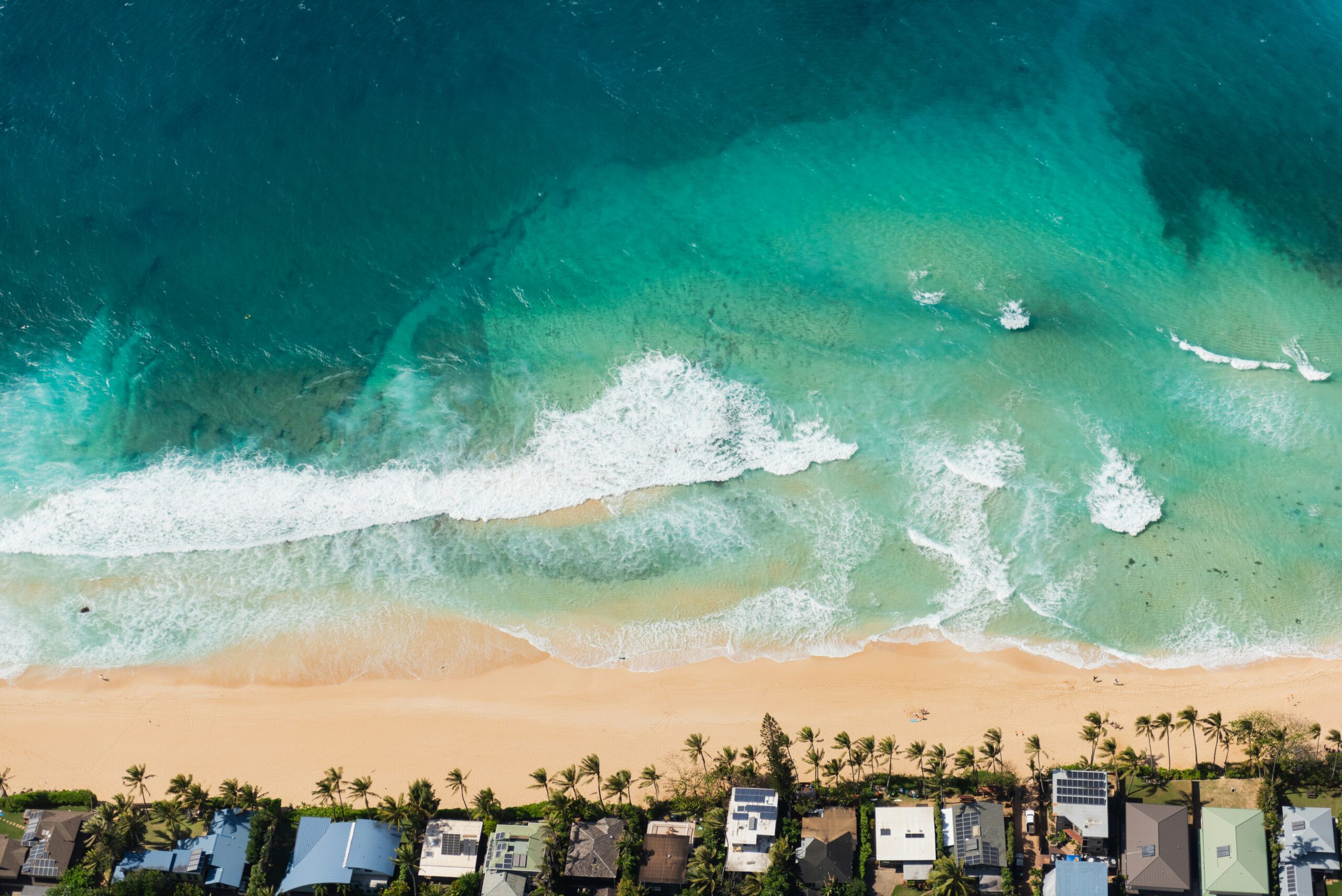
Big Islands, Small Clusters and the ABC Islands
The Greater Antilles are Cuba, Jamaica, Hispaniola (shared by the Dominican Republic and Haiti) and Puerto Rico, and they're the most visited islands in the region for good reason. They're big enough to hold mountains, colonial towns, coffee country and long beaches within a few hours' drive of each other, so a single island fills seven days without repeating itself. Puerto Rico is the simplest first choice for travelers from the United States. Jamaica and the Dominican Republic suit people who want a resort base with day trips out.
The Lesser Antilles to the east work differently. The islands are smaller and closer together, which makes a cluster of two practical in a week. Dominica and Martinique pair well, as do Guadeloupe and St. Lucia.
Then there are the Leeward Antilles off the Venezuelan coast, better known as the ABC islands: Aruba, Bonaire and Curaçao. They sit outside the usual hurricane track and see far less sargassum seaweed, which is why they draw visitors in every month of the year. The landscape is dry and scrubby rather than jungle green. The diving and snorkeling make up for it.
December to April, and the Problem With August and September
The Caribbean has good weather nearly all year. Hurricane season is the main exception, and it shapes prices and crowds more than anything else.
| Period | What to expect |
| December to April | Dry season, more often clear to mostly sunny; peak demand |
| May | Warm, quieter, a good shoulder month |
| June and July | Hurricane season begins; showers more common |
| August and September | Hurricanes most frequent; lowest crowds |
| October and November | Season winding down, still some risk |
Hurricane season runs from June to November, with storms most frequent in August and September. A late summer trip isn't reckless, and plenty of people travel then without trouble. It does call for travel insurance that covers weather cancellations and some flexibility about which island to pick. The ABC islands are the sensible default for anyone locked into those months.
Miami, Toronto, Heathrow and the Boats Between Islands
Miami International Airport serves the Caribbean better than any other US airport. There's no direct service from the West Coast, so travelers from Los Angeles or Seattle should plan on a connection through Miami and a long first day. Canadians have it easier, since most islands have flights from Toronto and Montreal. From Europe, most islands are reachable via London Heathrow, Frankfurt, Amsterdam Schiphol or Paris Charles de Gaulle, and the colonial links still show in the routes: Dutch flights to Curaçao and Aruba, French ones to Martinique and Guadeloupe.
Once there, getting around an island means a bus or a rental car. The old railways that once hauled sugarcane are no longer practical for travel. Buses are cheap and give a good sense of daily life. A car gives more freedom on the larger islands, where the best beaches tend to sit at the end of unsigned roads.
Between islands, Caribbean Airlines, based in Trinidad, and American Eagle fly regular routes. In the French and English speaking islands of the east, Express des Iles runs boats linking Dominica, Guadeloupe, Martinique and St. Lucia for about €67 one-way, and the crossing is a pleasant few hours of open sea.
A cruise answers the multi-island question in another way, because the ship carries passengers between ports overnight and nobody has to repack a suitcase. Royal Caribbean last minute deals suit a fixed week off work well, giving a first-timer several islands in one booking with transport and meals already arranged.
Seven Days on One Island, Plus Menus and Languages
A realistic week has a shape. Day one goes to arrival and nothing more ambitious than a swim and an early dinner. Days two and three suit the main town and a nearby beach, while the body adjusts to the heat. Day four is the long excursion: a rainforest hike in Dominica or El Yunque in Puerto Rico. Day five should be deliberately empty. Day six can hold a boat trip or a second region of the island, and day seven is a last lunch and the airport, which on most islands means leaving earlier than seems necessary.
Language catches people out more than expected. Spanish dominates in Cuba and Puerto Rico, and French and Creole in Martinique and Guadeloupe. The ABC islands add Dutch and Papiamento. Even a few phrases of the local language help in markets and on buses.
Food costs swing widely. Resort restaurants and hotel bars charge prices close to a major city, while roadside stalls and lunch counters serving rice and stewed chicken cost a fraction of that and are often better. Imported goods are expensive everywhere, so groceries for a self-catering stay cost more than at home.
Shopping deserves some skepticism. Duty-free jewelry and watch shops near cruise ports run on commissions, and "duty-free" doesn't always mean cheaper than at home. Local rum, hot sauce, coffee and spices make better souvenirs and survive the trip in checked luggage.