6 Reasons to Visit Iceland in Winter
A flight lands at Keflavík in late January, and by the time the bags come off the belt the sky outside is already shifting from pale grey to deep blue. Picking up a vehicle through Keflavik Airport car rental means the evening can start straight away, with a drive to a hotel in Reykjavík and time left over to look for a dark patch of sky once the clouds clear. That first night often sets the tone for the whole trip. From October to April, Iceland trades long summer evenings for something stranger and quieter, and the six reasons below belong to the cold months.
1. The Northern Lights from September to April
The aurora is the reason most winter visitors come, and it rewards patience more than luck. The lights are often visible from September to April, provided the sky is clear and solar activity is strong. Reykjavík's glow is enough to wash out a faint display, so even a short drive or tour out of town makes a noticeable difference. Clouds are the usual problem.
Coastal weather can close in within an hour and open up again just as fast, which is why people who see the best displays tend to plan several free evenings rather than pinning hopes on one.
Strong nights are worth the wait. A good display moves and fades across the whole sky, and green is only the start; stronger activity can bring pink and violet at the edges.
2. Late January Daylight, 10:00 to 16:00
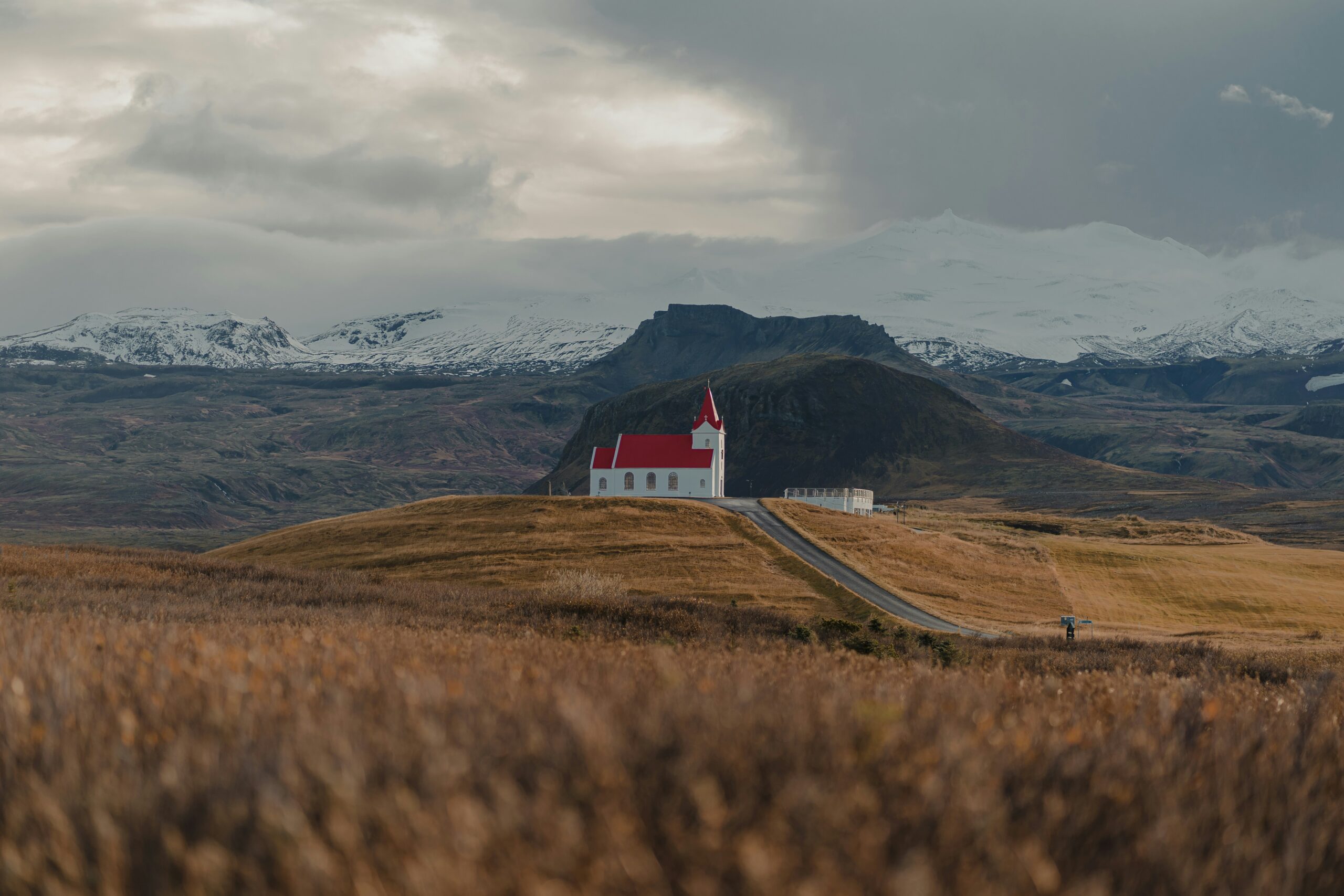
Around late January, daylight runs roughly from 10:00 to 16:00. That sounds limiting until the quality of it becomes clear. The sun stays low all day, so the light has the long, warm angle that photographers usually chase for an hour at dawn or dusk. Here it lasts the whole afternoon, falling across snow-covered lava fields and turning ordinary farm roads into something worth stopping for.
The trade-off is plain: some sites are inaccessible in winter, and short days leave less margin for long drives, so itineraries need to be tighter than in summer.
3. Jökulsárlón near Höfn on Route 1
Jökulsárlón sits near Höfn on Route 1, a glacial lagoon up to 190 m deep where chunks of ice break away and drift slowly toward the sea. In summer it is busy and blue. In winter the colours are colder and sharper, and the icebergs take on a clear, almost glassy look under low sun against white slopes.
Frozen fragments often wash up on the black sand across the road, and the contrast is one of the most photographed scenes in the country.
4. Þingvellir, Geysir, Strokkur and Gullfoss Under Snow
The Golden Circle is Iceland's most travelled route, and snow improves nearly every stop on it. Þingvellir, where the rift between continental plates runs through the landscape, looks starker with frost on the rock walls. At Geysir, steam rises thick in the cold air, and Strokkur's regular eruptions throw hot water into a white, silent field.
Gullfoss, about 100 km east of Reykjavík, is the most dramatic change. In deep winter the falls are partly framed by ice, with spray freezing onto the cliffs and the edges of the paths.
Footing on the viewing paths can be icy, so crampons or good winter boots are worth packing.
5. Vatnajökull National Park and Mývatn's Lava Fields
Vatnajökull National Park covers 12,000 km², making it Europe's largest national park, and much of it is defined by the ice cap that gives it its name. In winter the scale is easier to sense, because snow erases detail and leaves only the outline of glacier tongues and mountains.
Farther north, Mývatn, near Akureyri, shows a different side of Iceland's geology. Volcanic craters ring the area. The Dimmuborgir lava formations look like collapsed towers and arches. Under snow, the dark rock stands out sharply, and the steam vents around the lake are more visible in freezing air than they ever are in July.
6. Guided Tours from Reykjavík Instead of Winter Roads
Many roads outside the capital are impassable between October and April. Storms can close mountain passes for days, and help is limited once a car leaves populated areas. Visitors are advised against driving outside Reykjavík without experience of isolated roads in harsh weather.
Guided tours handle that problem neatly. Drivers know which routes are open and turn back when conditions require it. For Jökulsárlón or Mývatn, a tour or a domestic flight followed by a local guide is the calmer way to see winter Iceland, and it frees the evenings for aurora watching instead of recovering from a long, tense drive.
Is January or March better for seeing the Northern Lights?
Both fall inside the September to April window. Clear skies and strong solar activity matter far more than the specific month, so flexibility over several nights counts for more than the date.
Can Jökulsárlón be visited as a day trip from Reykjavík?
It lies far along Route 1 near Höfn, which makes a winter day trip long and tiring. Staying in the area or joining a multi-day tour leaves time to see the lagoon properly in daylight.
Are the Golden Circle sites open in winter?
Þingvellir, Geysir, Strokkur and Gullfoss are all visited through the winter. Paths can be icy and daylight is short, so an early start helps.