
Top 8 Wound Care Tips for Faster Healing
Most people expect a wound to heal on its own timetable, with the main job being to leave it alone. Skin is very good at repair, yet the conditions around a wound largely decide how quickly that happens and whether it happens cleanly. A cut that's kept clean, covered and watched usually closes without fuss. The same cut ignored for a few days can end in a hospital stay.
Some of the clearest lessons come from cases where basic care broke down, often in prisons and institutions where the injured person had no say over their own treatment. They make grim reading. They also show plainly what each ordinary habit prevents.
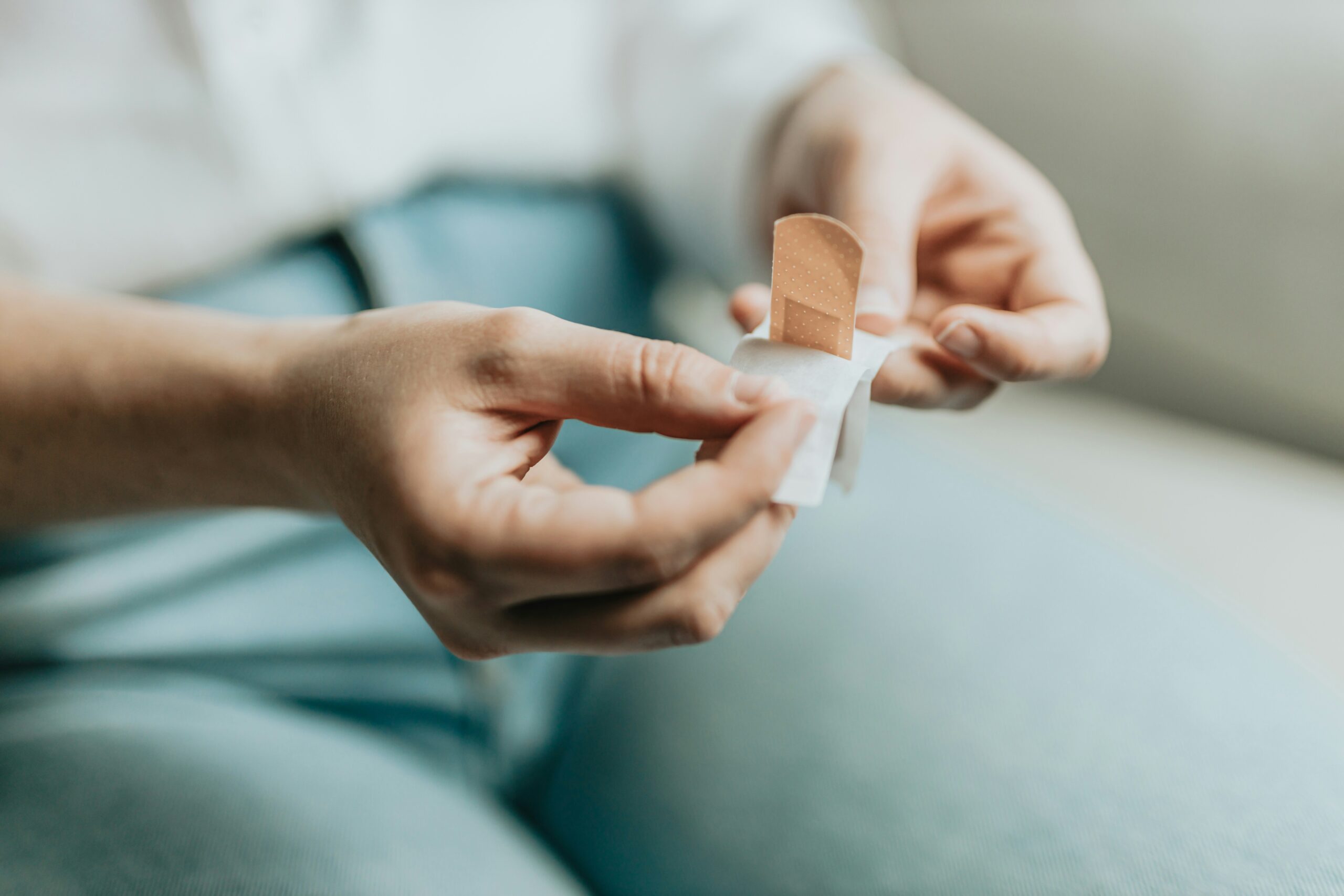
1. Clean hands, then a gently cleaned wound
Bacteria reach most wounds on fingers, so hand washing with soap and warm water comes before touching anything. Disposable gloves help if they're available, particularly when someone else is doing the dressing.
The wound itself needs less force than people assume. Running clean water or saline rinses away dirt well, and mild soap belongs on the surrounding skin. Scrubbing the wound bed, or pouring hydrogen peroxide or alcohol into it, damages the new tissue that's trying to form. Pat the area dry with clean gauze and stop there.
2. How often should dressings be changed?
As often as the doctor or nurse instructed, and no less. Some modern dressings are designed to stay on for several days, while others need changing daily or whenever they become wet or soiled. The schedule is set for that specific wound, so it's worth writing down before leaving the clinic.
The cost of ignoring it shows up again and again in complaints about institutional care. Sharon Storring said her son's dressings were not changed daily as instructed, and the wound became infected badly enough to put his life at risk. Ryan Skillen said staff would not regularly replace the bandages on his injured hand. He lost his middle and index fingers.
Neither case involved an exotic injury. Both involved a dressing left in place too long.
3. Covered and moist, not soggy
Old advice said to let a wound "air out" and form a hard scab. Research since then has shifted the consensus: a covered wound kept slightly moist tends to heal faster and scar less, because new cells can move across a damp surface more easily than under a dry crust.
Moist is different from wet. A thin layer of petroleum jelly under a non-stick pad works for many minor cuts and scrapes. A dressing that's soaked through with fluid, or skin around the edges that has turned white and wrinkled, means the wound is too wet and the dressing needs changing sooner or swapping for a more absorbent type.
4. Bites and deep injuries need prompt care
Animal and human bites carry far more bacteria than a kitchen-knife cut, and puncture wounds can look small while reaching deep tissue. Gaping cuts, wounds that keep bleeding after ten minutes of firm pressure, and anything involving a joint, the face or the hands belong in front of a clinician the same day. Stitches and tetanus boosters both work best early.
John Kolakowski said his left earlobe was bitten off during a fight in prison and that he didn't receive medical attention within 90 minutes. With an injury like that, delay affects both infection risk and what can be repaired.
5. What are the early signs of infection?
Some redness and tenderness in the first couple of days is normal inflammation. Infection tends to announce itself as things getting worse after they should be getting better. Watch for:
- redness that spreads outward or forms streaks
- increasing pain, warmth or swelling after the first few days
- pus, cloudy drainage or a bad smell
- fever or a general feeling of being unwell
Any of these is a reason to call a clinic rather than wait for the next scheduled visit. Red streaks or fever warrant urgent care.
6. A written record of the wound's progress
A few lines a day in a notebook or phone note make a surprising difference. Record the date, what the dressing looked like when removed, any drainage, pain level and anything that changed. A quick photo each time, taken from the same angle and distance, shows trends that are hard to judge by eye from one day to the next.
Clinicians value this kind of log because they only see the wound for a few minutes at a time. Bringing it to an appointment at a specialist clinic such as Huntsville Wound Care gives the team a clear picture of the days between visits and helps them adjust the treatment plan with confidence.
7. Why keep follow-up visits after the first treatment?
Because the first treatment only starts the process. A wound that looked fine when it was stitched or dressed can change over the following week, and follow-up visits exist to catch that.
Jeffrey Thomas Elliott's hand wound did receive some medical attention in the prison where he was held. He was pronounced dead on August 29, 2003, from the infection that followed. A coroner's jury found that a lack of proper medical care, documentation and sanitation contributed to his death. Initial treatment wasn't enough without the ongoing attention that should have followed it.
Most people will never face anything close to that. The principle holds for an ordinary cut, though: keep the appointments, and ask what should prompt an earlier call.
8. Support healing and choose a Huntsville provider with care
The body heals better with the right fuel. Adequate protein, enough fluids and good blood sugar control all matter, and smoking slows healing noticeably by reducing blood flow to the skin. People with diabetes, poor circulation or wounds that haven't improved in a couple of weeks benefit from a clinician who specializes in chronic wounds.
When comparing options around Huntsville, ask who will see the patient at each visit, how progress is measured and recorded, how quickly a worsening wound can be seen, and whether the clinic coordinates with the patient's primary doctor. Clear answers to those questions say more than a polished waiting room.