How to Start a Vinyl Collection: A Beginner's Guide to Building Your Music Library
Starting a vinyl collection lets you experience music beyond a streaming playlist. Records offer physical artwork, liner notes, and a listening experience that encourages you to spend time with an album rather than skip between tracks. They also connect listeners with the history, craftsmanship, and culture behind recorded music.
You don't need an expensive setup, a rare first pressing, or encyclopedic music knowledge to get started. You need a few records you love, the right equipment, and a plan for building a collection that reflects your taste.
Start With Music You Already Love
The easiest way to begin collecting is to buy albums you genuinely enjoy. Consider the records you return to most often on streaming services. Which albums would you happily listen to from beginning to end? Which artists have influenced your taste?
Start there. A common beginner mistake is buying records because they look impressive or might become valuable. Collecting based on potential resale value can quickly turn a hobby into an expensive guessing game. A record does not need to be rare to deserve a place on your shelf.
Musician, author, and record collector Henry Rollins captures the personal nature of collecting with a simple observation: "Every record I own is a must-have. I wouldn't have them otherwise."
That is a useful principle for new collectors. Every purchase should have a reason, whether it is an album you love, an artist you want to explore, or a recording that interests you historically.
Choose Your First Turntable
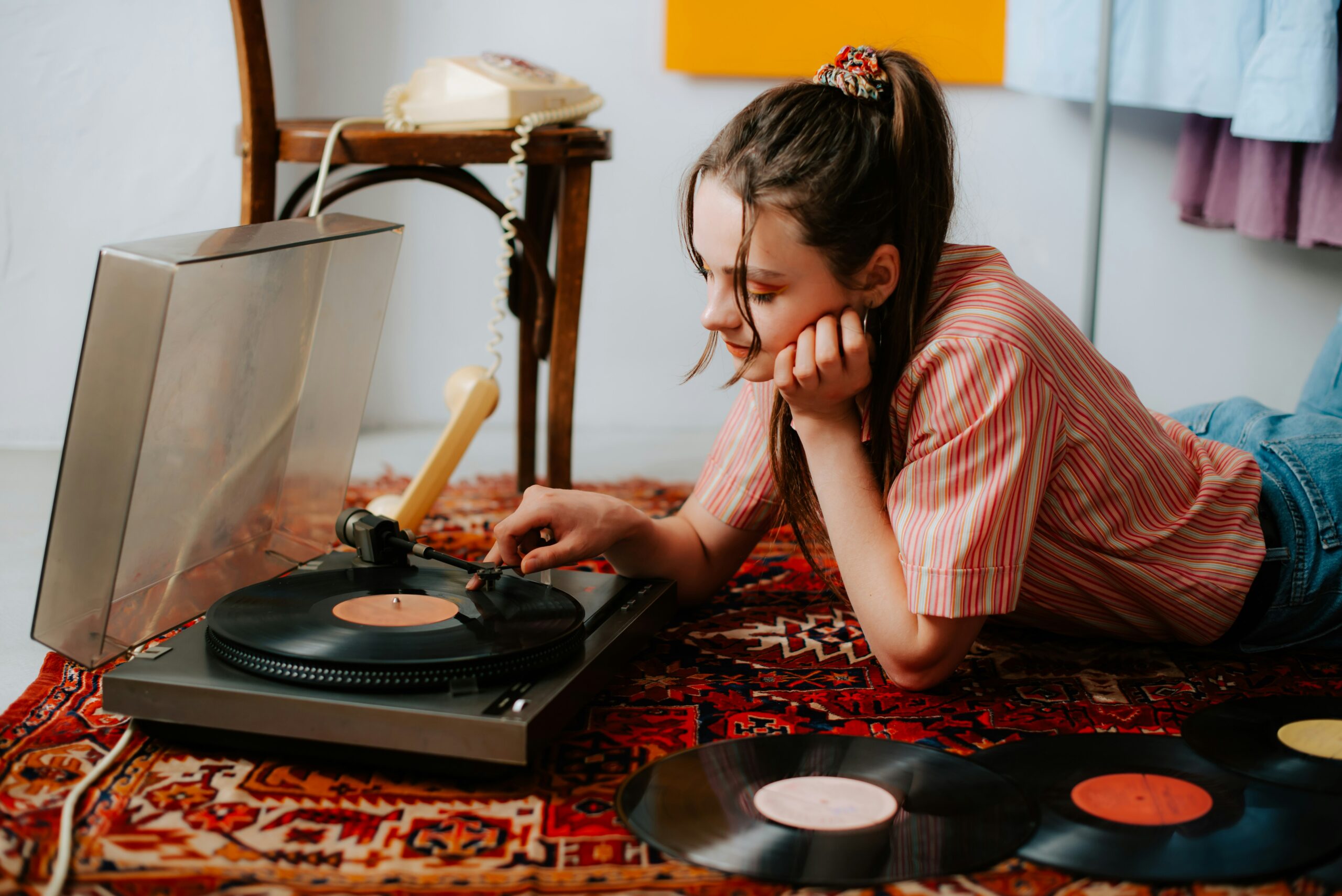
Before buying records, consider how you will play them. A turntable is the central component of a vinyl setup, and choosing one that suits your budget and needs will make collecting more enjoyable.
Entry-level models can provide a starting point without requiring a high-end audio system. More advanced turntables offer additional features and opportunities to upgrade components over time.
When comparing options, consider:
- Built-in preamp: Some turntables include a phono preamp, which can simplify connection to compatible speakers or amplifiers.
- Speaker compatibility: Check whether the turntable works with your existing audio equipment or requires additional components.
- Cartridge and stylus: These affect playback and wear on records. Follow the manufacturer's guidance for maintenance and replacement.
- Setup requirements: Some models require more adjustment than others, so consider how much setup you are comfortable handling.
Don't assume the most expensive turntable is automatically the best choice for you. A well-matched system that fits your budget is a better starting point than buying equipment you cannot comfortably afford.
Understand Vinyl, CDs, and Cassettes
Although vinyl is the focus of many collections, physical music comes in several formats. Each offers a different way to own and experience recordings. Vinyl records provide large-format artwork and a hands-on listening experience. Their size also makes them attractive display pieces, although they require careful storage and handling.
Compact discs offer a convenient physical format in a smaller package. They generally require less storage space than records, and used CDs can be an affordable way to explore an artist's catalog.
Cassette tapes appeal to listeners who value portability, mixtapes, and music history. They also have a distinct place in the development of recorded music culture. However, cassette decks require proper maintenance, and the condition of both the tapes and the playback equipment matters.
You do not have to choose one format exclusively. Some collectors focus on vinyl, while others collect records, CDs, and tapes according to what best suits the music they love.
Learn How to Buy Records
Once you know what you want to collect, explore different ways to find it. Record stores, online retailers, secondhand sellers, artist merchandise shops, and record fairs can all help you discover music. For new releases, check the artist's official store or the record label's website. Buying directly from an artist or label also supports the people who make the music.
Rollins offers this advice: "Buy records. Whenever possible, get them directly from the label or artist. Listening to music makes you a better person, so listen as often as you can."
For used records, inspect the condition carefully. Scratches, warping, dirt, and damage can affect playback. Ask about grading standards when shopping online, and check whether the seller provides clear descriptions and photographs.
It is also worth learning the difference between an original pressing, a reissue, and a limited edition. An original pressing comes from an earlier album release, while a reissue is a later release. Limited editions are produced in restricted quantities, but limited availability does not automatically make a record rare or valuable.
Compare editions before buying. Release year, label, mastering, packaging, and condition can influence which version makes the most sense for your collection.
Set a Budget and Collect With Intention
Vinyl collecting can become expensive when every interesting release feels essential. Establishing a budget helps keep the hobby sustainable. Decide how much you can spend each month, and prioritize the records you most want. You might focus on completing an artist's studio albums, exploring a particular genre, collecting music from a specific era, or discovering independent labels.
Keep track of what you own, too. A simple spreadsheet can record album titles, artists, release details, purchase prices, and condition. This prevents duplicate purchases and helps you understand how your collection develops.
For collectors who enjoy researching the people behind recordings, databases and music reference resources can reveal connections between artists, producers, engineers, songwriters, and record labels. Those connections can turn a familiar album into a starting point for discovering something new.
Store and Care for Your Collection
Records need more care than a playlist, but caring for them doesn't have to be complicated. Store vinyl vertically, away from direct sunlight, excessive heat, and damp conditions. Avoid stacking heavy piles of records horizontally for long periods, as pressure can contribute to warping or damage.
Handle records by the edges and the labeled center, rather than touching the playing surface unnecessarily. Use a suitable record brush to remove loose dust before playback, and follow appropriate cleaning guidance when deeper cleaning is needed.
Keep records in protective inner sleeves and outer sleeves where appropriate. Make sure your storage furniture can support their weight, because vinyl collections become surprisingly heavy as they grow.
Your turntable needs attention as well. Keep the stylus clean, follow the manufacturer's maintenance instructions, and replace worn components when necessary. Good care protects both your equipment and your records.
Explore Collectibles Beyond Records
A music collection can extend beyond the albums themselves. Artist books, concert-related memorabilia, Blu-rays, DVDs, and other music-related collectibles can provide additional insight into an artist's career and cultural influence.
The key is to collect items that add something meaningful to your interests. A concert film might help you appreciate a band's live performances, while a book could offer context about an album's recording or the musicians who created it.
Exclusive pressings, coloured variants, and limited releases can also appeal to collectors. Before paying a premium, however, consider whether you want the item for the music, the design, the historical significance, or its potential collectability. Those are different reasons to buy, and being clear about yours helps avoid unnecessary spending.
Retailers such as Evergreen Vinyl bring together physical music and music-related collectibles for listeners who want to explore these formats. As your interests develop, a curated selection can help you discover releases and items beyond the albums already on your wish list.
Build a Collection That Grows With You
The best vinyl collection is not necessarily the largest, oldest, or most expensive. It is the one that reflects your relationship with music. Start with familiar albums, learn how your equipment works, explore different formats, and research the artists and people behind the recordings. Buy thoughtfully, look after what you own, and leave room for unexpected discoveries.
You may eventually develop an interest in first pressings, obscure labels, rare recordings, or the technical details of mastering. Or you may simply enjoy owning your favorite albums and listening to them on a quiet evening. Both approaches are valid. You do not need to pass a collector's entrance exam.
Physical music rewards curiosity. Every record, CD, or cassette can be a starting point for learning about an artist, a period, or a musical movement. Build your collection one worthwhile purchase at a time, and let your taste — not collecting trends — determine what belongs on your shelves.