
How to Choose an Engagement Ring That Actually Fits Your Lifestyle
Shopping for an engagement ring can feel like stepping into a language you never learned. Carat, clarity, cut, color — and somewhere in the middle of it all, you're supposed to pick something you'll wear every single day for the rest of your life. Here's how to actually think about it.
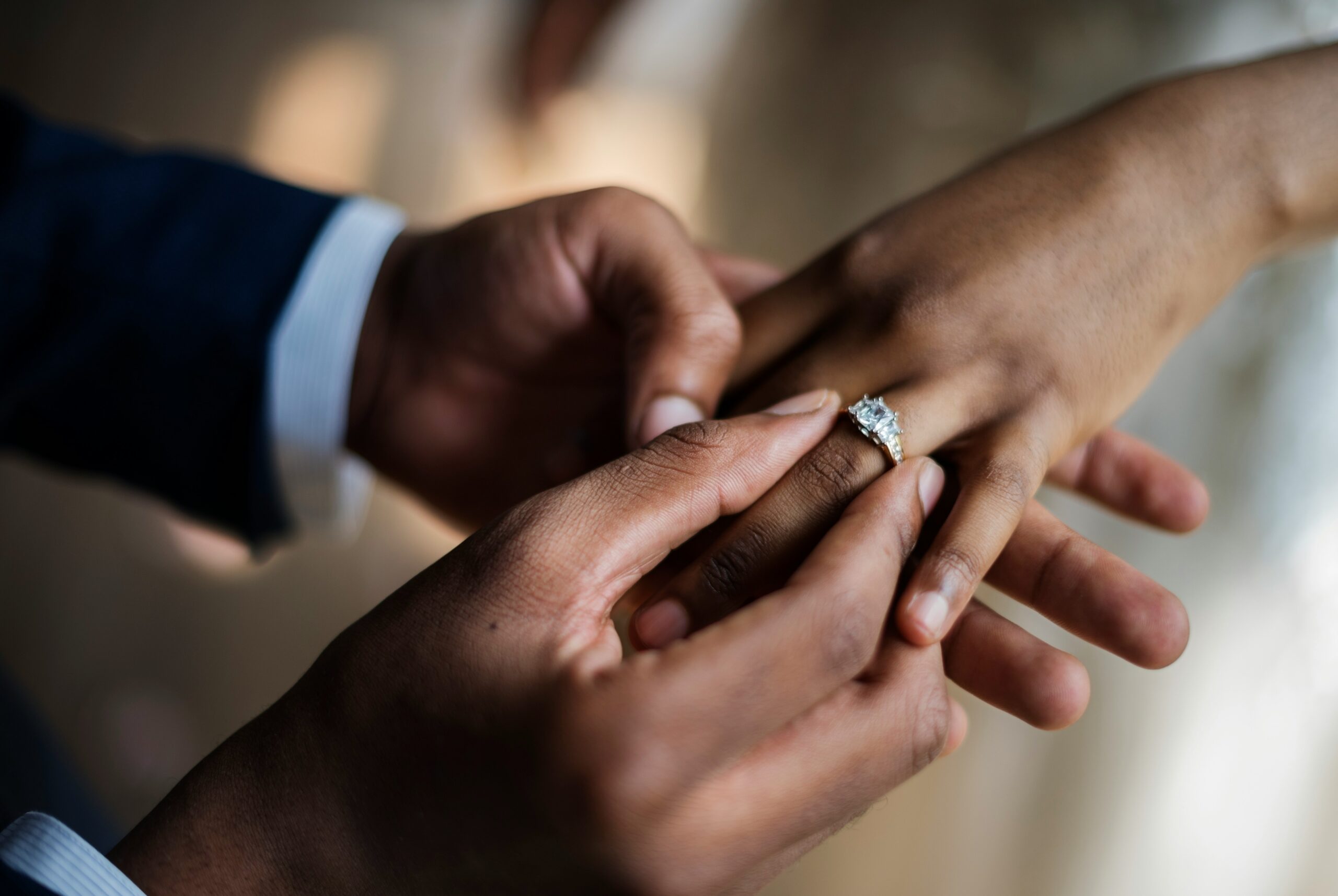
Start With How You Live, Not How It Looks in a Photo
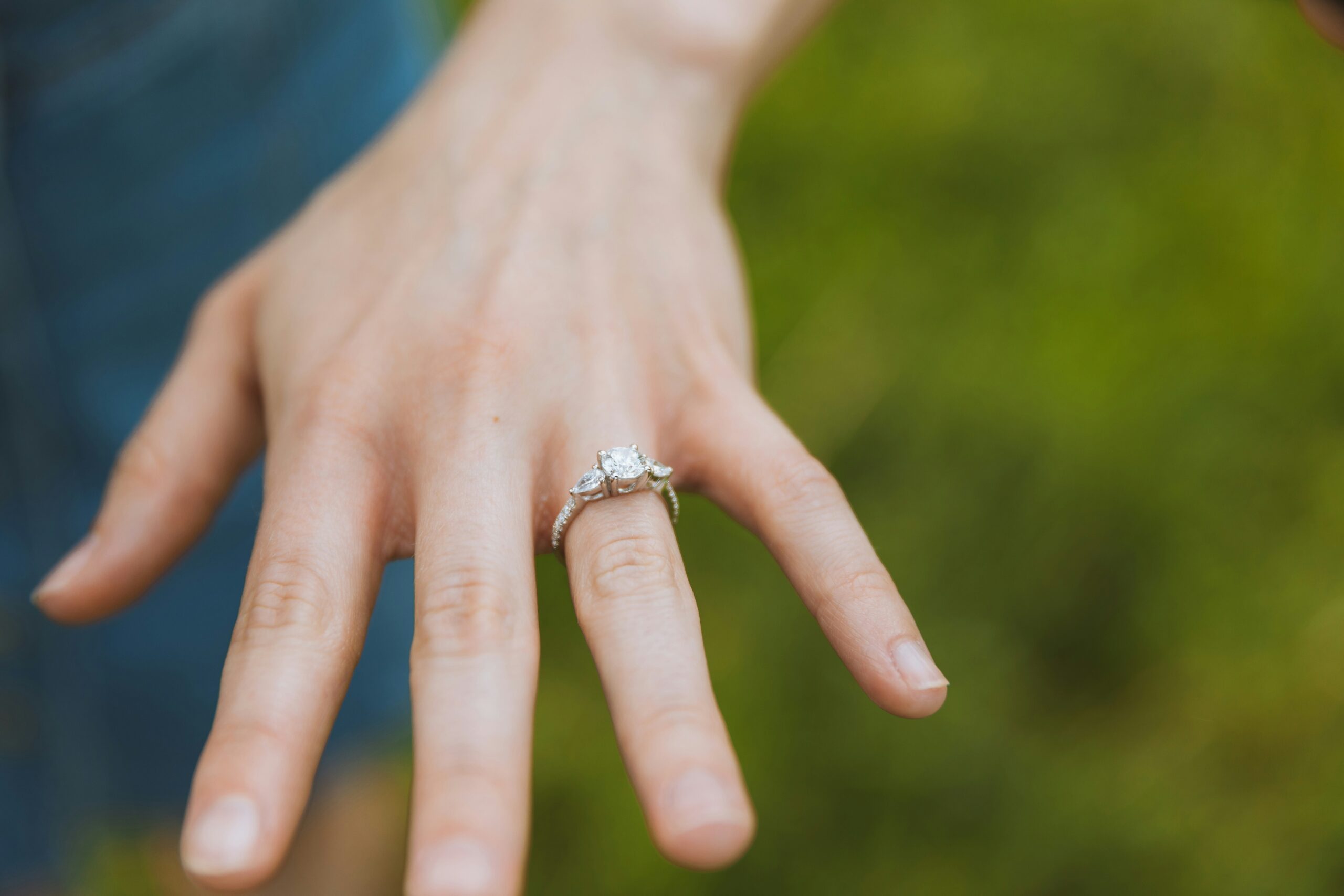
A ring that photographs beautifully isn't always a ring that survives daily life. If you're active, work with your hands, or just tend to bang your hand into things (no judgment), a low-set stone with a durable setting like a bezel or flush mount will hold up better than a tall prong setting that snags on everything.
Ask yourself:
- Do I take my rings off for workouts, cooking, or work?
- Do I prefer something I barely notice, or something that makes a statement?
- Am I okay with more maintenance (prong checks, cleaning) for a more delicate look?
Understand the 4 Cs — But Prioritize Correctly
Most guides list the 4 Cs (cut, color, clarity, carat) as equally important. They're not.
Cut matters most. A well-cut diamond reflects light beautifully even at a lower clarity or color grade. A poorly cut diamond looks dull no matter how large or "pure" it is on paper.
Clarity and color only need to look good to the naked eye — you don't need a flawless, colorless stone. Grades like VS2 clarity and G-H color are essentially invisible imperfections that let you put your budget elsewhere.
Carat is the number people fixate on, but a well-cut, slightly smaller stone will almost always look better than a larger, poorly cut one.
Lab-Grown vs. Natural: A Quick Reality Check
Lab-grown diamonds are chemically, physically, and optically identical to natural diamonds — the only difference is where they're formed. Because they skip the mining process, lab-grown stones typically cost 30-50% less than natural diamonds of the same specs, which means your budget stretches further on cut quality and size.
Retailers focused specifically on loose lab-grown stones, like LooseGrownDiamond, let you choose the diamond and setting separately — useful if you want more control over the final combination rather than picking from pre-set styles.
Budgeting Without the Guilt Trip
Ignore the old "two months' salary" rule — it was a marketing line from decades ago, not a financial guideline. Set a number based on your actual finances and stick to it. A ring is a symbol, not a financial commitment that should stress you out for the next year.
Getting the Ring Size Right
If you're planning a surprise proposal, borrow a ring your partner already wears on that finger and take it to a jeweler for sizing, or ask a close friend of theirs for help. Sizing after the fact is common and totally normal — most jewelers offer free or low-cost resizing within the first year.
Frequently Asked Questions
Do lab-grown diamonds hold value the same as natural diamonds? Both lab-grown and natural diamonds have historically had limited resale value compared to their purchase price — this is true of diamond jewelry generally, not specific to lab-grown stones. Buy for what you love, not as an investment.
What carat size is "normal" for an engagement ring? There's no normal — it depends entirely on budget and preference. Average sizes in the U.S. tend to fall between 1-1.5 carats, but a well-cut 0.75 carat stone can look just as striking.
How long does it take to get a custom ring made? Typically 2-4 weeks from choosing the stone and setting, though rush options exist for time-sensitive proposals.
The right engagement ring isn't the one that checks every box on a diamond grading chart — it's the one that fits how you actually live, wear jewelry, and want to feel every time you look down at your hand.