
Are Your Skincare Products Too Strong? Why Gentler Formulas Might Actually Be Better
When it comes to skincare, it's easy to assume that more is better. A vitamin C serum with 20% of the active ingredient must work better than one with 10%, right? And if a retinol product makes your skin peel or feel a little irritated, that must mean it's doing its job.
Not necessarily.
With so many skincare brands advertising high concentrations of active ingredients, it's easy to get caught up in the numbers without considering what those percentages actually mean for your skin. The truth is that an effective skincare routine isn't necessarily about finding the strongest products available. It's about finding ingredients and formulations that work well together and, more importantly, work well for your skin.
I recently had the opportunity to speak with Kari Comstock Feder, founder of New Level Skincare, about why stronger isn't always better, what to look for when choosing active skincare ingredients, and how to incorporate vitamin C and retinol into your routine without overwhelming your skin.
Kari brings more than 20 years of professional skincare experience to New Level Skincare, including over a decade educating consumers in retail and spa settings. She's a licensed cosmetologist, holds a 200-hour diploma from The International Dermal Institute, and has completed advanced coursework in cosmetic chemistry through UCLA Extension.
After years of working directly with clients, she noticed how overwhelming skincare routines had become, with complicated ingredient lists and products that didn't always work well together. She founded New Level Skincare to simplify the process, focusing on thoughtfully formulated products built around three principles: the right ingredients, the right concentration, and the right formula.
Her approach to skincare focuses on choosing the right ingredients, concentrations, and formulations rather than simply increasing the strength of active ingredients.
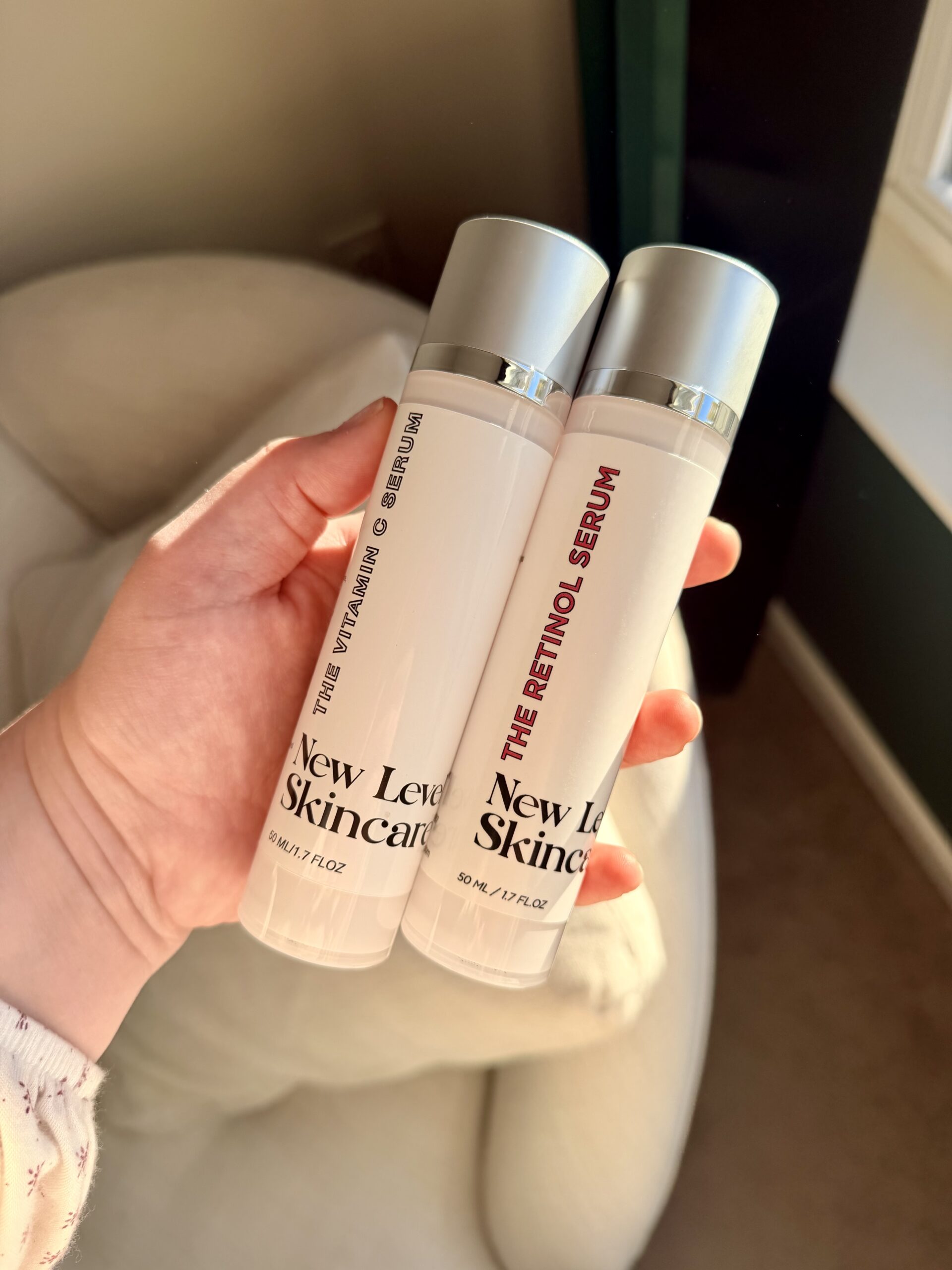
I also had the chance to try New Level Skincare's Vitamin C and Retinol Serums myself, which gave me an opportunity to see how that philosophy translates into everyday skincare.
Why Stronger Skincare Ingredients Aren't Always Better
If you've ever shopped for a vitamin C or retinol serum, you've probably noticed how prominently brands advertise ingredient percentages. It's not uncommon to see vitamin C serums labeled with concentrations of 10%, 15%, or even 20%, with the implication that a higher percentage will deliver better results.
But according to Kari, there's a lot more to consider.
"Thoughtful, gentler formulation can ABSOLUTELY deliver comparable, if not BETTER, results in my opinion," she explains.
One of the biggest factors is ingredient stability. Certain forms of vitamin C, particularly L-ascorbic acid, can be sensitive to light, air, and other environmental conditions. Over time, these factors can cause the ingredient to oxidize, potentially reducing its effectiveness.
Retinol also requires careful formulation and packaging to maintain its stability.
This means that the percentage listed on a product's packaging doesn't necessarily tell you how much of the active ingredient will remain effective by the time you're actually using it.
Kari encourages consumers to look beyond the numbers and pay attention to the specific form of the ingredient, how it's delivered to the skin, and how the product is packaged.
Of course, not all vitamin C formulations degrade at the same rate. Stability depends on the type of vitamin C, the complete formulation, packaging, and storage conditions. A higher concentration isn't automatically ineffective, just as a lower concentration isn't automatically gentler.
The takeaway? A well-formulated product with a moderate concentration may be a better choice for your skin than a stronger product that causes irritation or is difficult to use consistently.
The Overall Formula Matters More Than You Think
Another skincare trend that's become increasingly popular is the idea of getting as many active ingredients as possible into a single product.
There are serums promising brightening, exfoliation, hydration, anti-aging benefits, and more, all in one bottle. While multifunctional skincare products can certainly be convenient, more ingredients don't automatically mean better results.
"I believe the overall formula is most important," Kari says.
She explains that different active ingredients have different formulation requirements, and combining them can create additional challenges for product developers.
"What consumers do not realize is that you will NOT get the best of ANY INGREDIENT if it is all mixed together with every other active ingredient," she says.
While some ingredients work well together, others require careful adjustments to maintain their effectiveness. The goal isn't necessarily to include as many popular ingredients as possible, but to create a formula where each component serves a purpose.
Rather than choosing a product simply because it contains a long list of trending ingredients, consider whether the formula makes sense for your specific skincare goals.
How to Tell If Your Skincare Is Irritating Your Skin
Anyone who has introduced retinol into their routine knows that there's sometimes an adjustment period. Dryness, flaking, and mild irritation can occur, especially when starting with a new product or using it too frequently.
But how do you know whether your skin is adjusting or whether the product simply isn't right for you?
Kari recommends paying attention to how your skin responds when you reduce the frequency of application.
"If they reduce and the issues continue the product is likely not right for their skin," she explains.
For example, if you're using retinol every other night and start noticing dryness or irritation, reducing application to once or twice a week may help. If your skin becomes more comfortable, you may be able to gradually increase usage again.
However, persistent irritation shouldn't be ignored. Burning, significant redness, swelling, or worsening discomfort are reasons to stop using the product rather than trying to push through.
Kari also recommends performing a sensitivity test before incorporating a new active ingredient into your routine, particularly if you know your skin tends to react easily.
Testing a small area first can help you identify potential problems before applying a product across your entire face.
And remember, experiencing irritation doesn't mean a product is working better. In many cases, it means your skin needs a different approach.
When Should You Start Using Vitamin C and Retinol?
If you're in your 20s or 30s, you may be wondering whether it's time to start incorporating more active ingredients into your skincare routine.
The good news is that you don't need an elaborate routine or a cabinet full of expensive products to take care of your skin.
Vitamin C and retinol can both be useful ingredients, but they serve different purposes.
Vitamin C is an antioxidant commonly used to help protect against environmental oxidative stress and improve the appearance of uneven skin tone and discoloration. It can be incorporated into a routine at different ages depending on your skin's needs.
Retinol, on the other hand, is a vitamin A derivative that can help improve skin texture, fine lines, and certain types of acne over time.
Kari often recommends considering retinol in your mid-to-late 20s, although there's no universal age when everyone needs to begin using it.
More important than your age is whether the ingredient addresses a concern you actually have.
If you're happy with your skin and already have a routine that includes cleansing, moisturizing, and daily sun protection, there's no reason to feel pressured into adding retinol simply because you've reached a certain birthday.
How to Introduce Retinol Without Overwhelming Your Skin
One of Kari's biggest recommendations for anyone starting retinol is to take their time.
"My motto with retinol has always been 'slow and steady' starting with 2x a week in the evening. Then adding nights as tolerated," she says.
Some people eventually tolerate retinol every night, while others find that using it a few times a week works better for their skin.
There's no need to rush the process, particularly when consistency is more important than trying to use the strongest formula as frequently as possible.
A simple beginner-friendly approach looks like this:
- Start with a patch test before applying retinol to your entire face.
- Use retinol in the evening, beginning with one or two nights per week.
- Apply it to clean, dry skin according to the product instructions.
- Follow with a moisturizer to help minimize dryness.
- Increase frequency gradually only if your skin tolerates it well.
- Wear broad-spectrum SPF 30 or higher sunscreen every day.
You may also want to avoid introducing several new active ingredients at once. This makes it easier to identify which product is helping your skin and which might be causing irritation.
It's also important to remember that retinol results take time. You shouldn't expect dramatic changes after a few applications, and temporary irritation isn't a requirement for seeing improvements.
An important note: Retinoids, including retinol, should be avoided during pregnancy and while trying to conceive. If you're breastfeeding, discuss topical retinoid use with your healthcare professional before starting. Anyone with eczema, rosacea, or another sensitive skin condition may also benefit from consulting a dermatologist before introducing retinol.
My Experience With New Level Skincare's Vitamin C and Retinol Serums
New Level Skincare sent me both its Vitamin C Serum and Retinol Serum to try, and I've really enjoyed incorporating them into my skincare routine. One of the first things I noticed about both products was how lightweight the formulas are. They absorb quickly without feeling heavy on my skin, which makes them easy to incorporate into the products I'm already using.
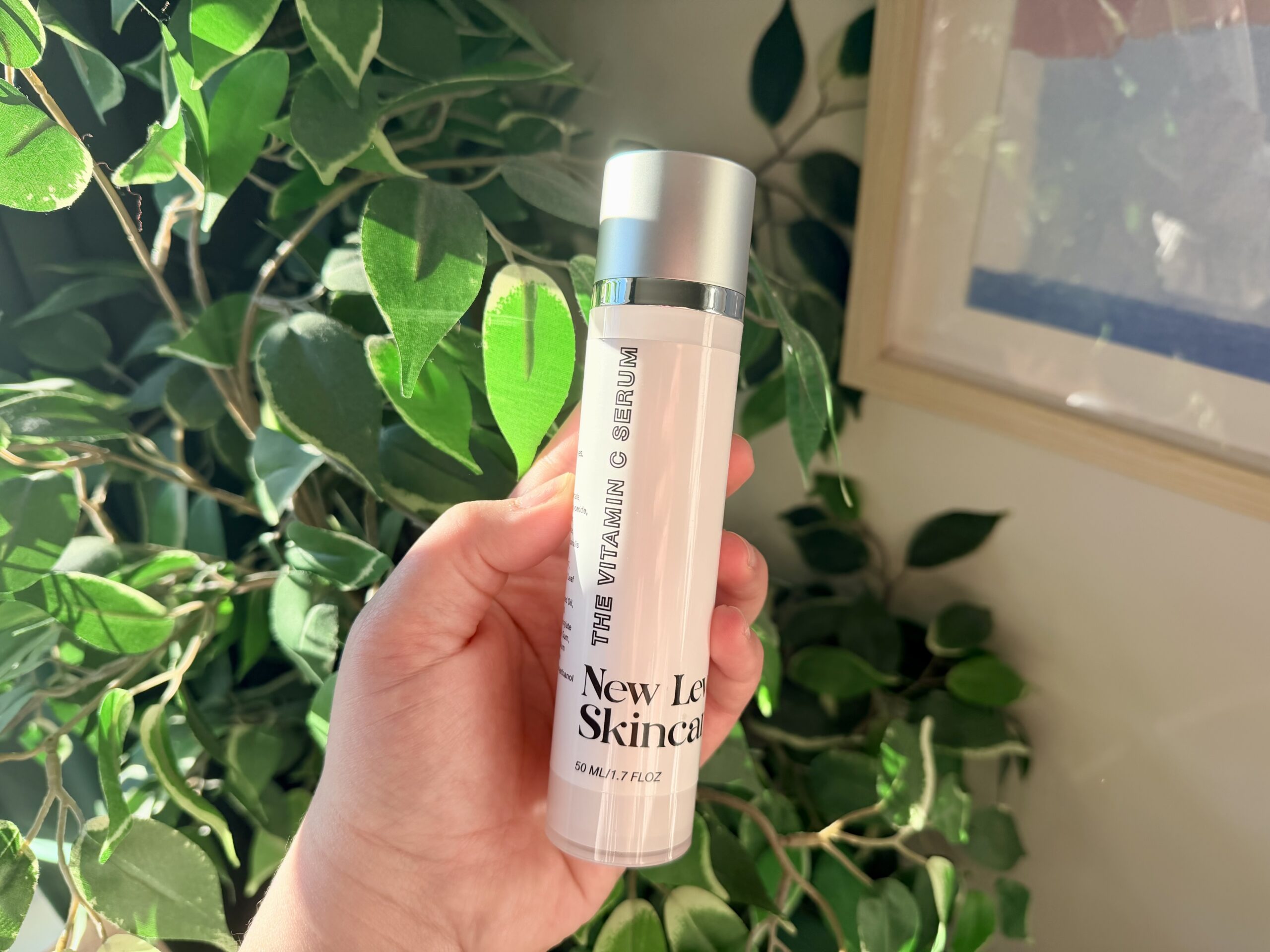
New Level Skincare Vitamin C Serum ($75)
I've been using the Vitamin C Serum every day, and it's quickly become a favorite part of my morning skincare routine. I really like how lightweight it feels and how easily it layers with my other products. Since incorporating it into my routine, I've noticed that my skin looks brighter and feels healthier overall.
The formula uses tetrahexyldecyl ascorbate, a stable, oil-soluble form of vitamin C, along with supporting ingredients designed to improve the appearance of skin tone and texture. I appreciate that the focus is on creating a thoughtful formulation rather than simply advertising the highest possible concentration of vitamin C.
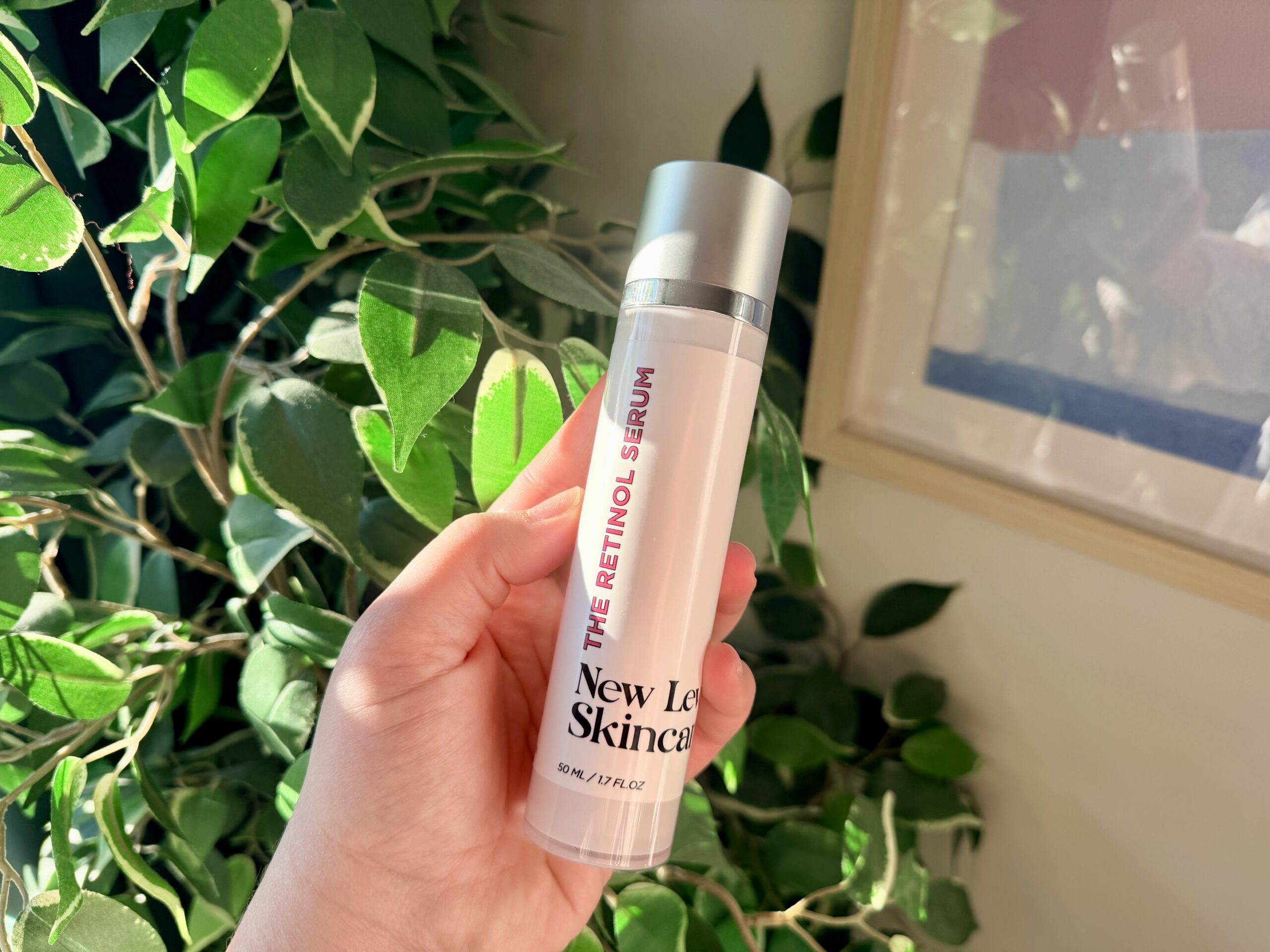
New Level Skincare Retinol Serum ($85)
I was especially interested in trying the Retinol Serum because irritation is one of the biggest concerns people have when introducing retinol into their routines. I started using it three nights per week rather than jumping straight into daily application, and I've had a really positive experience with it so far.
I haven't experienced any peeling or dryness while using it, which has made it easy to stick with consistently. The formula is lightweight, absorbs quickly, and doesn't leave my skin feeling uncomfortable.
Of course, everyone's skin responds differently to retinol, and my experience doesn't mean that irritation won't happen for someone else. But I've appreciated being able to incorporate it into my routine without dealing with the dryness or flaking that can sometimes come with retinoid products.
What stands out to me about both serums is how easy they are to use. Neither feels like an extra complicated step in my skincare routine, and I like that the brand puts so much emphasis on the overall formulation rather than just the strength of its active ingredients.
For anyone interested in incorporating vitamin C or retinol into their routine but hesitant about potential irritation, I think New Level Skincare is a brand worth looking into.
Editor's note: New Level Skincare provided both serums for review. All opinions and experiences are my own.
What Should You Actually Look for When Shopping for Skincare?
With so many products promising brighter, smoother, younger-looking skin, it's easy to get overwhelmed by marketing claims.
Kari recommends looking at the bigger picture rather than focusing exclusively on ingredient percentages.
"What form of the key ingredient is being used?" she encourages consumers to ask.
She also recommends considering whether the supporting ingredients complement the main active ingredient, whether the delivery system is appropriate, and whether the packaging helps protect the formula.
These are useful questions to keep in mind whether you're shopping for a $20 serum at the drugstore or considering a more expensive skincare investment.
You don't necessarily need to understand every ingredient on the label, either. Looking for transparent product information, appropriate packaging, and clear usage instructions can help you make more informed choices.
And if you have sensitive skin, it's worth prioritizing products that you can use comfortably and consistently rather than chasing the highest concentration available.
The Bottom Line: Your Skincare Routine Doesn't Need to Be Aggressive to Be Effective
There's a lot of pressure to do more when it comes to skincare. More ingredients, stronger concentrations, more products, and more steps can make it seem like you're taking better care of your skin.
But effective skincare doesn't have to be complicated, and it certainly doesn't have to leave your face feeling irritated.
As Kari emphasizes throughout her approach to formulation, the specific ingredients, how they're combined, and how they're delivered to the skin all matter.
After trying New Level Skincare's Vitamin C and Retinol Serums, I can appreciate the appeal of products that prioritize both effectiveness and comfort. I've enjoyed using both formulas, and they've been easy additions to my existing routine.
The next time you're shopping for a vitamin C serum or considering adding retinol to your routine, don't let the biggest percentage on the packaging make the decision for you.
Instead, focus on choosing products that address your skin's needs, introduce new ingredients gradually, and pay attention to how your skin responds.
Because the best skincare routine isn't necessarily the strongest one. It's the one you can stick with comfortably and that helps you achieve the results you're looking for.
Try it for yourself and shop New Level Skincare here.
About the Author

Nicole Booz is the founder and Editor-in-Chief of GenTwenty and GenThirty. She has a Bachelor of Science in Psychology and is the author of The Kidult Handbook (Simon & Schuster May 2018). She's currently kicking it in Pennsylvania with her husband and three sons. When she’s not reading or writing, you'll likely find her luxuriating over brunch, perusing a thrift store or planning her next Disney trip.
Website: genthirty.com