
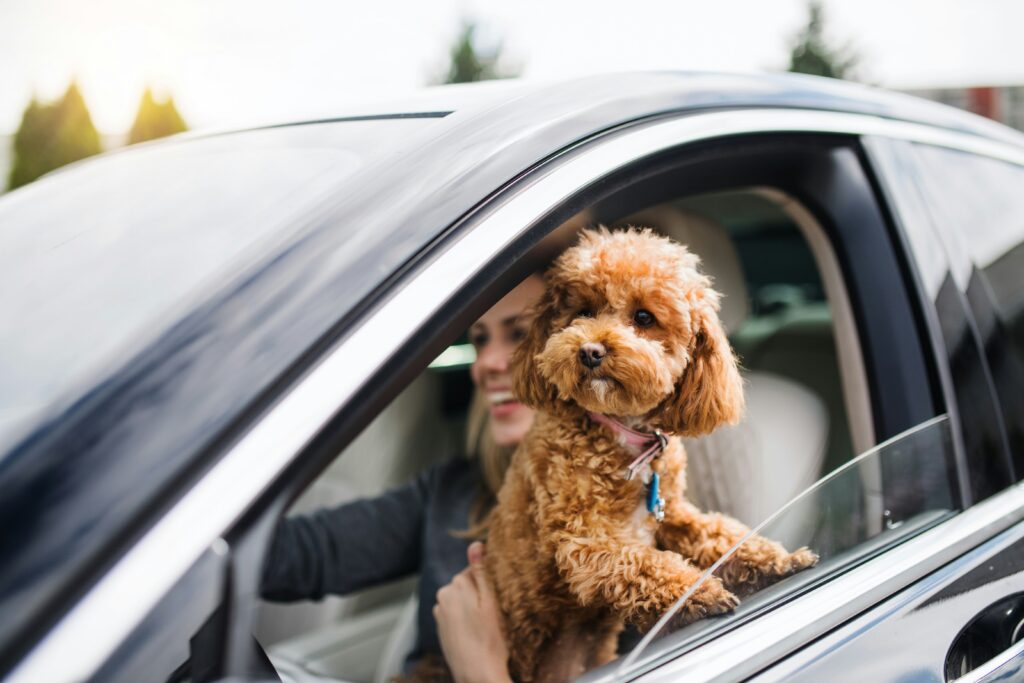
A car ride can feel like an adventure for a human, but for a dog, the experience is quite different. Many pet owners notice their dog panting heavily the moment they settle into the back seat. This behavior often seems puzzling, especially when the weather does not feel particularly hot. However, a dog’s panting in a car is a form of communication. It reveals a great deal about the animal’s physical state and emotional world.
The Heat Factor and Limited Airflow
Firstly, a dog pants in car as it is their primary method for cooling down their body. Dogs do not sweat through their skin as people do, so they rely on rapid, open-mouthed breathing to release heat. A car, even on a mild day, can trap warm air and become stuffy very quickly. The limited airflow in a back seat makes it hard for a dog to find relief. As the vehicle warms up, the dog’s natural response is to pant harder to maintain a normal body temperature. This is why a car can feel much warmer to a pet than it does to the driver in the front seat.
Stress and Emotional Arousal
In addition to heat, a car ride often triggers strong emotional responses. Many dogs associate car travel with unfamiliar sounds, sudden movements, or a trip to an unknown place. This uncertainty can lead to a state of heightened alertness, which shows up as panting. A dog might also pant due to sheer excitement, such as when the ride leads to a favorite park. Nevertheless, an anxious response looks different. The dog may keep its mouth wide with a flat tongue and stiff body posture. Recognizing these signs helps an owner tell the difference between a happy passenger and a worried one.
Motion Sickness as a Physical Trigger
Furthermore, motion sickness is a common reason for panting inside a vehicle. The inner ear of a dog senses motion that the eyes do not always see, creating a feeling of nausea. Before a dog drools or vomits, it will often pant heavily to cope with the physical sensation. Young dogs experience this more frequently because their inner ear structures are still developing.
How Supplements Help Support the Normal State
To further help a dog stay at ease during car travel, some owners turn to supplements designed for pets. These products work to support a dog’s normal, healthy state of relaxation without altering its natural behavior. When given before a ride, a supplement may help maintain a calm disposition in the vehicle. This support is useful for dogs that pant heavily from excitement or general unease. A person should always choose a product made specifically for pets and follow the dosage guidelines on the label.
Practical Steps for a Cooler Ride
Finally, simple adjustments to the car environment make a real difference. Parking in the shade, using a window visor, and running the air conditioner help keep the temperature safe. Owners should never leave a dog alone in a parked car, even for a minute. Providing a small battery-operated fan for the back seat can improve airflow. Also, stopping every thirty minutes on long trips gives the dog a chance to drink water and breathe fresh air.
A dog pants in a car for several clear reasons, including heat, stress, and motion sickness. Recognizing the type of panting helps a person respond with patience and knowledge. CBD products that support a normal state of calm can offer additional help when stress is the main issue. Ultimately, a comfortable dog makes every journey safer and more enjoyable for everyone inside the car.