
Why Supply Chain Engineering Might Be Your Smartest Career Move
Ever wondered why something as simple as ordering a product online can feel effortless one day and completely frustrating the next when it is delayed or out of stock? That gap between everything working well and everything going wrong is exactly where supply chain engineering comes in.
It’s the type of career that sits right at the centre of how modern life actually runs, and the reason it might be your smartest career move is because you are working on systems that touch almost every industry, solving problems that directly affect cost, speed, and reliability, and building skills that stay useful no matter how technology changes.
It connects directly to everyday life
This is probably the simplest way to understand the value of supply chain engineering. You depend on supply chains every single day without really thinking about it. Food in shops, parcels arriving at your door, medicine in hospitals, even the clothes you wear all rely on systems that stretch across countries and industries.
When you work in this field, you are helping those systems function properly. You are making sure goods actually get where they need to go, when they need to be there. That matters because even small improvements in timing, cost, or reliability can affect a huge number of people. It is work that is tied directly to how the world runs.
It solves real problems with data and systems
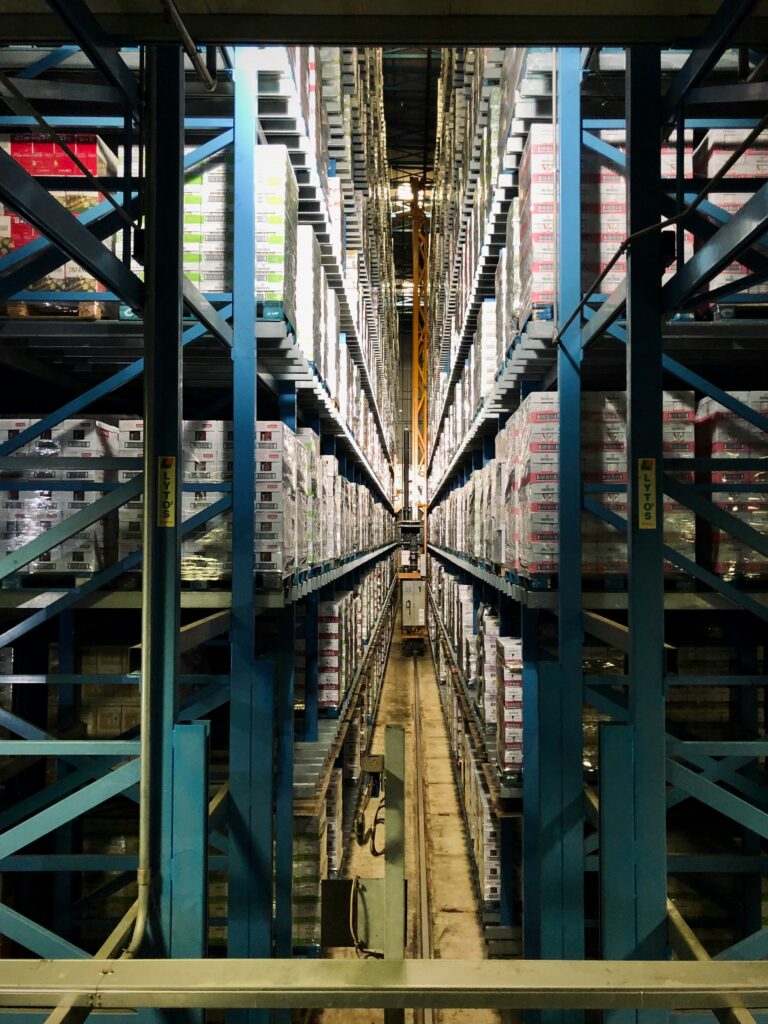
Supply chain engineering also entails figuring out how complex systems behave and how to make them better. This means you’ll deal with delays, bottlenecks, inefficiencies, and unpredictable demand, then use data and structured thinking to fix them. A big part of this is warehouse logistics solutions.
Warehouses are not just storage spaces anymore. They are highly organized systems where products are tracked, sorted, picked, and shipped. If the warehouse is inefficient, everything slows down. Orders get delayed, costs go up, and customers notice. If it is well designed, everything moves faster and more accurately. That is why warehouse logistics solutions matter so much, as they sit at the centre of how quickly and reliably products can reach people, and improving them has a direct impact on the entire supply chain.
It gives you career options across industries and countries
One of the strongest parts of this career path is how widely it applies. In other words, nearly every industry relies on supply chains in some form. Retail, healthcare, manufacturing, tech, and logistics companies all need people who understand how to move goods and materials efficiently. That means you are not locked into one narrow path. You can change industries, work in different countries, or move into planning, operations, or leadership roles over time.
What also makes this career particularly appealing is that the demand for these skills is not tied to a trend that could disappear in a few years. If anything, supply chains are becoming more complex as businesses expand globally, customer expectations continue to rise, and companies look for faster, smarter ways to operate.
Every time there is a major disruption, whether it is a shortage, a transport issue, or a sudden shift in demand, organizations are reminded just how important strong supply chain systems really are. As a result, there is a growing need for people who can step in, understand what is happening, and find practical solutions that keep everything moving.
The skills stay useful even as technology changes because the challenge itself never goes away. Businesses will always need products, materials, and resources to get from one place to another as efficiently as possible. The tools might evolve and the systems might become more advanced, but the need for people who can understand the bigger picture and improve the way those systems work is unlikely to disappear anytime soon. What this does is it gives you a level of long-term relevance that can be hard to find in careers that are more dependent on short-term industry shifts or changing market trends.
And if you really think about it, there is something very grounding about this kind of work, because you are working with systems that are always moving, always changing, and always reacting to real demand in the world. Somewhere in that system, someone is waiting on a delivery, a hospital is restocking supplies, or a store is trying to keep shelves filled. It all feels very real and very human when you step back and see the full picture, because the decisions you make are shaping how well everyday life runs for other people without most of them ever noticing it.