
The Sustainable Adulting Guide: Making Greener Choices at Home
There comes a point in adulthood when you start thinking a little differently about the things you bring into your home. This point of sustainable adulting often looks like making greener choices at home that are also more sustainable.
Maybe you start reading ingredient labels more closely. You realize you'd rather buy one great set of sheets than replace inexpensive ones every year. You finally start carrying reusable bags in your car. Or you find yourself standing in the cleaning aisle wondering why a product needs quite so many warning labels.
Welcome to sustainable adulting.
Making Greener Choices At Home Step by Step
The good news is that creating a more eco-friendly home doesn't require throwing away everything you own, spending a fortune, or becoming a zero-waste household overnight. In fact, one of the most sustainable things you can do is use what you already have and make more thoughtful choices when it's eventually time to replace something.
From your kitchen to your bedroom, these small changes can help you build a home that's a little gentler on the planet — and one you genuinely love living in.

Start With What You Already Own
Before you buy a single "sustainable" product, take inventory of what's already in your home. Sustainability and overconsumption don't exactly go hand in hand.
You don't need to toss your plastic storage containers because glass ones are more aesthetically pleasing. You don't need to replace perfectly functional towels with organic cotton ones tomorrow. And you certainly don't need to buy 14 new reusable products to prove that you're committed to reducing waste.
Use things until they genuinely need replacing. Then, when something reaches the end of its useful life, consider whether there's a better option available. It's a slower approach to sustainable adult living, but it's also a much more realistic one.
Choose Quality Over Quantity
One of the biggest mindset shifts you can make when building your first adult home is moving away from buying things simply because they're inexpensive. Sometimes budget absolutely has to come first — especially in your twenties.
But when you have flexibility, consider the item's long-term value rather than just its price tag. Questions like these can help you decide.
- Will you still use it five years from now?
- Can it be repaired?
- Is it made well enough to survive multiple moves?
- Do you actually love it, or are you buying it because it's trendy right now?
Furniture, cookware, bedding, appliances, and other household staples can be worth saving for when a better-quality option means you'll replace them less frequently.
You don't need fewer things because minimalism says so. You want fewer things that need to be continually replaced.
Pay Attention to Materials While Sustainable Adulting
Once you start paying attention to what things are made from, it's hard to stop. Materials matter everywhere in your home, but they're particularly worth considering for products you use constantly.
Think about your bedding, towels, furniture, rugs, cookware, and mattress. These aren't products you interact with for a few minutes occasionally. You might use them every single day for years.
When possible, look for materials like organic cotton, wool, responsibly sourced wood, glass, stainless steel, and other natural or durable options. Certifications can also be helpful because terms like "natural," "green," and "eco-friendly" can be vague.
Independent certifications give you more information about the standards behind a product rather than requiring you to rely solely on marketing claims. It's essentially taking out the deep researching and guesswork you might do otherwise.

Rethink Your Bedroom
The bedroom doesn't always get as much attention in conversations about sustainable adult living as kitchens, closets, or bathrooms. But think about how much time you spend there.
Your mattress alone is something you'll potentially use for eight hours a night for many years, making the bedroom a great place to be intentional about the materials you bring into your home.
That's one of the reasons Naturepedic stands out. Naturepedic approaches mattresses differently by prioritizing certified organic materials and eliminating many of the materials commonly used in conventional mattresses.
Depending on the mattress, you'll find materials like certified organic cotton, organic wool, and organic latex. The brand has also earned numerous third-party certifications that help substantiate its organic and sustainability standards.
For anyone trying to build a cleaner, more environmentally conscious home, that level of transparency matters. A mattress is also a perfect example of why sustainable shopping often goes hand in hand with buying for the long term.
Instead of treating your mattress as a disposable purchase, investing in a thoughtfully made option designed around high-quality materials can make your bedroom feel much more intentional.
Look Beyond the "Organic" Label
Organic materials are a major part of Naturepedic's philosophy, but what's particularly interesting is the bigger-picture approach behind the company. Naturepedic has built its mission around creating healthier sleep products while considering their environmental impact, from the materials it chooses to the standards and certifications behind its products.
That's an important distinction when you're shopping sustainably. No company or product exists without an environmental footprint, so you don't necessarily need to search for something that claims to be "perfectly sustainable."
Instead, look for companies that provide meaningful information about their materials, manufacturing, certifications, and environmental commitments. Transparency is much more useful than a green leaf printed on the packaging.

Switch to Reusables Where They Make Sense
Reusable products are one of the easiest ways to reduce some of the everyday waste your household generates. The key phrase here is where they make sense.
You might switch from paper towels to washable cleaning cloths for most messes. Cloth napkins can replace disposable ones at dinner. Reusable water bottles and coffee cups can eliminate a surprising amount of single-use waste.
Food storage is another easy place to make gradual swaps. Glass containers, silicone bags, jars, and reusable wraps can replace some disposable plastic bags and wraps over time.
Don't feel like you need to purchase an entire matching collection at once. Make swaps as disposable products run out or old items need replacing.
Make Your Cleaning Routine Greener with Sustainable Adulting
Take a peek underneath your kitchen sink. If it's overflowing with a different cleaning product for every conceivable surface, you may be able to simplify.
A few multipurpose products can often handle the majority of everyday cleaning tasks, reducing both packaging and clutter. Concentrated products and refill systems can also cut down on packaging waste, while reusable cleaning cloths are an easy alternative to relying exclusively on disposable wipes and paper towels.
Just remember that "natural" doesn't automatically mean safe or effective. Read labels, follow product directions, and never mix household cleaning products unless the manufacturer specifically says it's safe to do so.
Reduce Food Waste Before Reinventing Your Grocery List
Sustainable adult eating doesn't have to mean completely changing your diet. Start with the food you're already buying. How much gets thrown away each week?
Planning a few meals before grocery shopping, freezing food before it spoils, learning how to store produce properly, and having a weekly "use it up" meal can dramatically reduce waste. Keep a small section of your refrigerator dedicated to foods that need to be eaten soon.
It sounds almost laughably simple, but sometimes the reason spinach dies in the back of the fridge is literally because you forgot it existed. We've all been there.
Wash Your Clothes More Intentionally
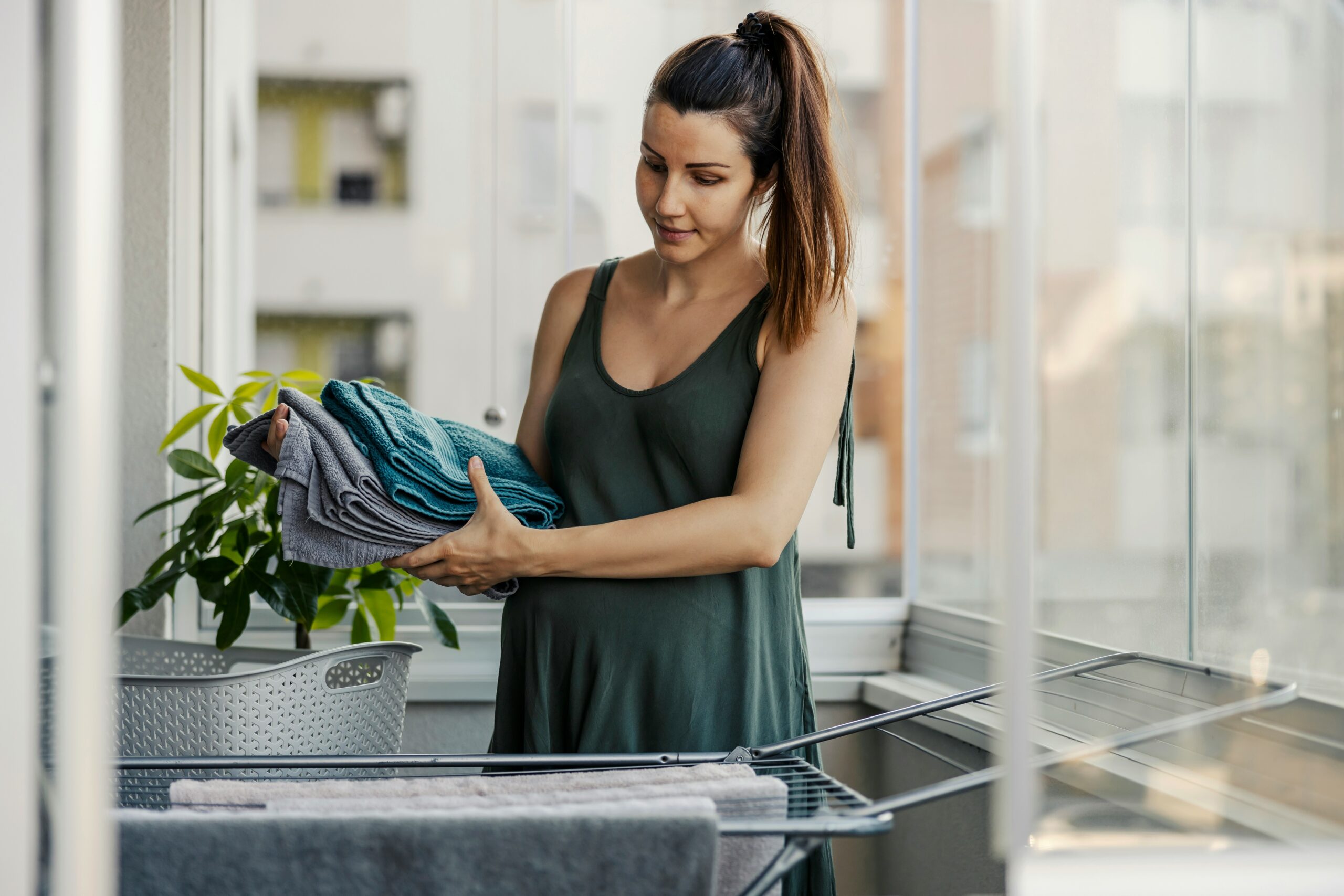
Laundry is another area where small changes add up. You don't necessarily need to wash every item after one wear. Jeans, sweaters, pajamas, and many other clothes can often be worn several times before washing, assuming they're still clean.
When appropriate for your clothes, washing in cold water can also reduce the energy needed to heat water. Wait until you have a full load instead of running the machine for a handful of items, and consider air-drying some clothing rather than automatically putting everything into the dryer.
Bonus: gentler washing and drying habits can help some of your clothes last longer too.
Buy Secondhand When It Makes Sense for Sustainable Adulting
Your twenties are prime secondhand-shopping years. Furniture, mirrors, picture frames, dishes, books, lamps, and decor are often easy to find at thrift stores, estate sales, antique stores, online marketplaces, and even your parents' basement.
Vintage and secondhand pieces can also make your home feel much more personal than furnishing an entire room from one retailer. Not everything needs to be purchased secondhand, of course.
Mattresses, certain upholstered items, and products with safety considerations are categories where you may prefer buying new. The goal isn't to create rigid rules. It's simply to ask, Could I find this secondhand? before automatically buying new.
Be Wary of "Eco-Friendly" Impulse Purchases
Sustainability has become a marketing strategy. That cute bamboo kitchen gadget might technically be made from a renewable material, but if you already own something that performs the exact same function, buying another one isn't necessarily helping anything.
Before purchasing something marketed as sustainable, ask yourself: Do I actually need this? Sometimes the greenest purchase is the one you don't make.
This is especially relevant when trends start circulating on social media. You don't need to replace your entire home every time a new aesthetic arrives. Your reusable water bottle from three trends ago still works just fine.
Consider Energy Use Around Your Home as Part of Sustainable Adulting
You don't need solar panels and a complete home renovation to become more conscious of household energy consumption. Make the simple changes.
Turn lights off when you leave a room. Switch to LED bulbs as old bulbs burn out. Unplug rarely used electronics when practical. Adjust your thermostat rather than heating or cooling an empty house excessively.
If you rent, you may not have control over major appliances or insulation, but there are still smaller choices available to you. And if you eventually own a home, energy efficiency can become part of the equation when appliances, windows, HVAC systems, and other major components need replacing.
Again, you don't need to replace functioning items simply to own a more efficient version. Think about sustainability at the point of replacement.
Create a Bedroom You Won't Want to Redo Next Year
Social media has turned interior design into an endless trend cycle. One year everything is beige. The next year we're painting ceilings burgundy and buying chrome furniture.
It's fun to experiment with your space, but constantly redecorating creates unnecessary consumption. Instead, build the foundation of your bedroom around pieces you genuinely love.
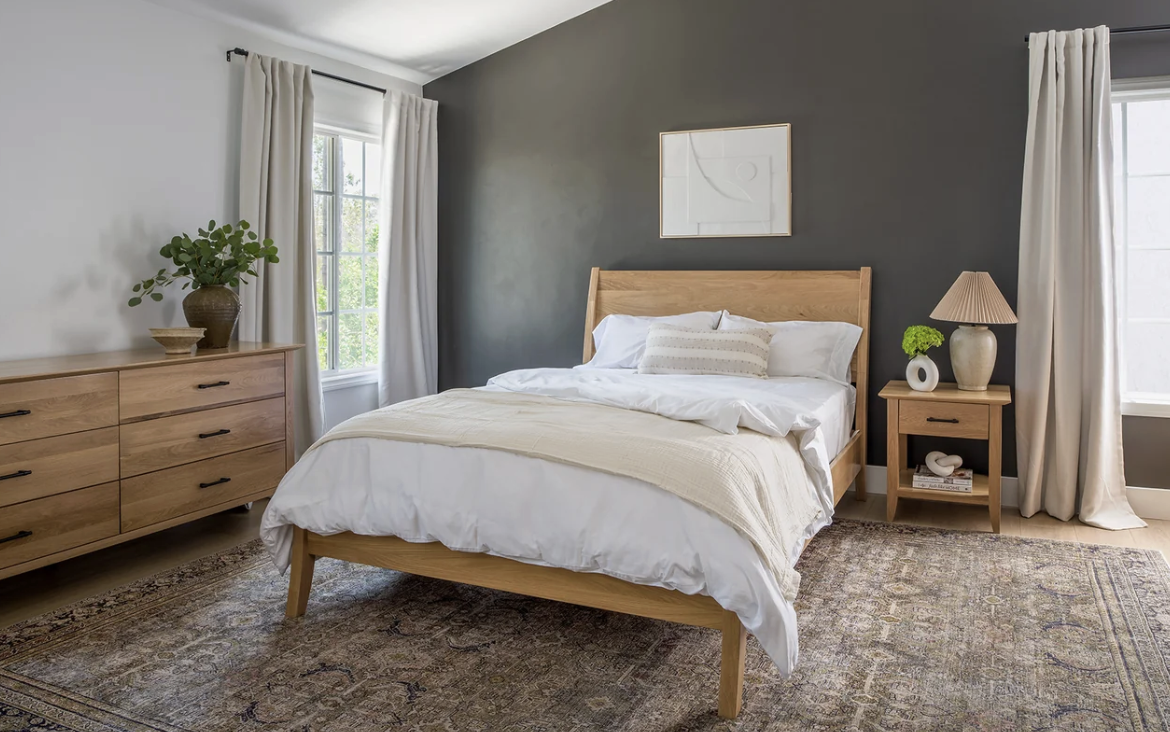
Choose a bed frame you can imagine keeping through multiple apartments or homes. Invest in comfortable bedding in colors you'll enjoy beyond one season. Buy furniture because it works for your lifestyle rather than because it's currently trending.
And when you're ready to upgrade your mattress, consider both comfort and materials. A thoughtfully designed organic mattress from Naturepedic, paired with quality bedding and furniture you intend to keep, can become the foundation of a bedroom that doesn't need to be reinvented every six months.
Support Companies Doing More Than Marketing
As you become a more conscious consumer, you'll quickly discover that almost every company has some version of a sustainability page. That doesn't necessarily mean all environmental claims are equal.
Look deeper. Does the company use recognized third-party certifications? Can it explain where materials come from? Does it provide specific information rather than vague promises? Is sustainability integrated into the product itself, or is it mostly about packaging and marketing?
This is another reason Naturepedic fits naturally into a more sustainable home. Organic materials and environmental considerations aren't an add-on collection for the brand — they're central to how its mattresses and bedding products are designed.
That doesn't mean you need to replace your mattress tomorrow. But when the time comes, researching companies with clearly defined standards can help you make a purchase that better reflects your priorities.
Sustainable Adulting with Greener Choices at Home Is About Progress
You will forget your reusable bags. You will order takeout that comes with approximately 700 plastic containers. And, you will occasionally buy something unnecessary because it was cute and Target apparently knows your weaknesses better than you do.
None of that means you've failed at sustainable living.Creating a greener home isn't about achieving environmental perfection. It's about becoming more thoughtful about what you consume, what you keep, and what you eventually replace.
Start with what you already own. Buy less when you can. Choose better materials when your budget allows. Reduce waste where it's practical. Support brands whose values align with yours.
And pay particular attention to the products that become part of your everyday life.
From the food containers you reach for every afternoon to the Naturepedic mattress you climb into every night, thoughtful choices can gradually add up.
Now you'll live in a home that feels healthier, more intentional, and a little easier on the planet. That's sustainable adulting — and thankfully, nobody expects you to figure it all out at once.
About the Author

Nicole Booz is the founder and Editor-in-Chief of GenTwenty and GenThirty. She has a Bachelor of Science in Psychology and is the author of The Kidult Handbook (Simon & Schuster May 2018). She's currently kicking it in Pennsylvania with her husband and three sons. When she’s not reading or writing, you'll likely find her luxuriating over brunch, perusing a thrift store or planning her next Disney trip.
Website: genthirty.com