The Importance of Upgrading the Doors of Your House
If you own a home, your front door does more than welcome guests and accept too many delivery boxes. It affects your safety, insurance costs, energy bills, and resale value. In storm-prone areas, that job gets even bigger.
A strong door can help protect your home from wind, water, and flying debris while also improving curb appeal. If you’re weighing repairs, upgrades, or a full replacement, it helps to know what actually matters before you spend a dollar.
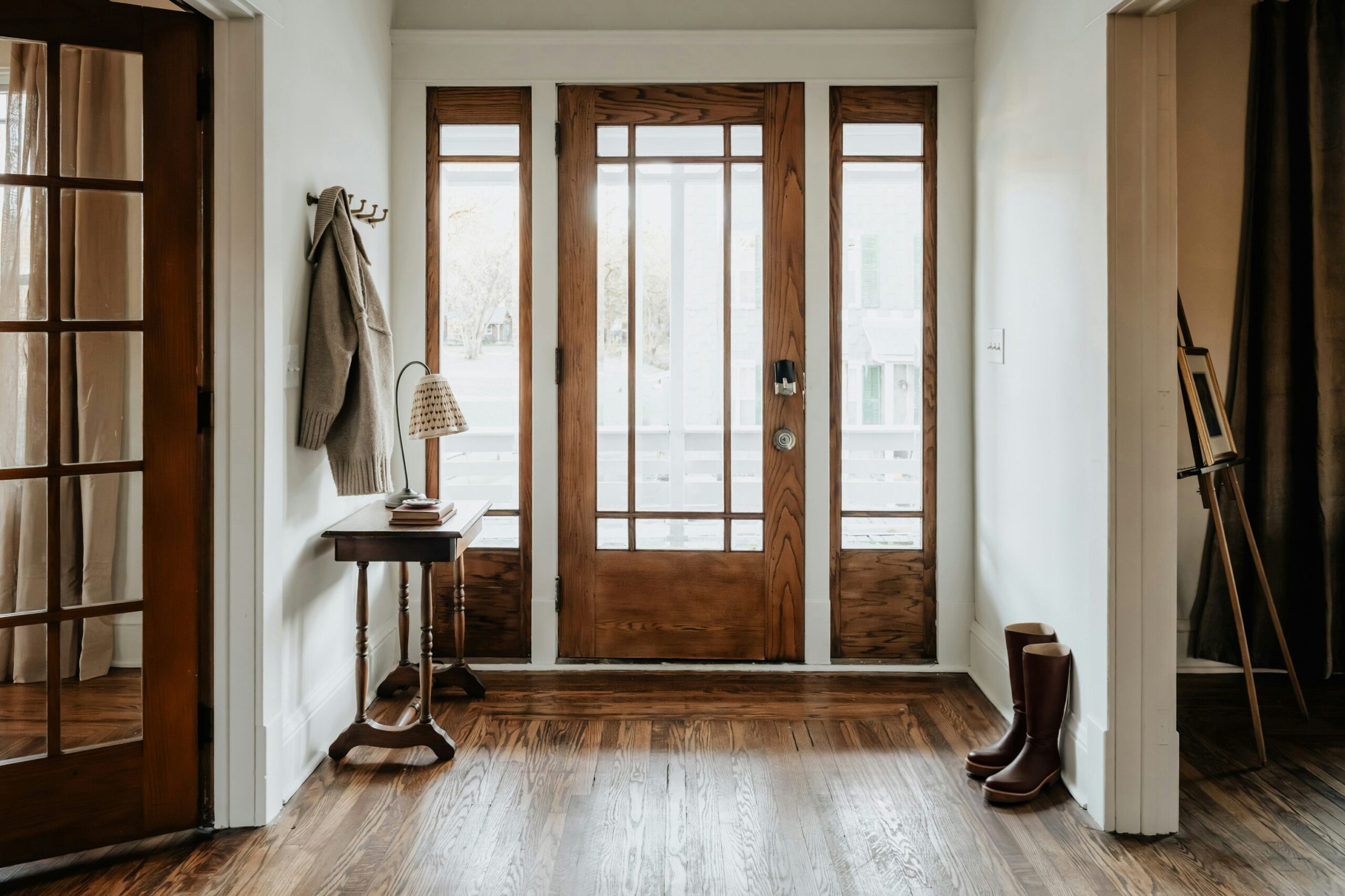
Your exterior doors do more financial work than you think
It’s easy to treat a door like a style decision. Pick a color, choose hardware, move on. In reality, your exterior doors affect several parts of your budget at once. They influence heating and cooling efficiency, long-term maintenance, home security, and even your homeowner’s insurance profile in certain regions.
An older door with poor seals can quietly leak conditioned air year-round. You may not notice it right away, but your utility bill usually does. Drafts, moisture intrusion, and swelling frames also create repair costs that stack up over time.
Storm protection is a serious upgrade, not a niche luxury
In high-risk weather zones, impact-rated doors are not some over-the-top upgrade for people who collect weather apps. They can be a practical investment that protects your property and reduces damage during severe storms.
That’s where hurricane proof doors enter the conversation. These doors are built to handle intense wind pressure and impact from flying debris, which can be critical during major storms. In many coastal areas, homeowners look at them not just for protection, but also for code compliance and long-term property value.
The real benefit goes beyond the door surviving impact. If a door fails during a storm, pressure can build inside the house and increase the chance of serious structural damage. That makes your entry points a weak link you can’t afford to ignore.
Before buying, check for:
- Impact ratings and testing standards
- Local building code compliance
- Reinforced frames and heavy-duty hardware
- Water infiltration resistance
- Professional installation experience
A strong door won’t stop every problem, but it can reduce the odds of one bad storm turning into a five-figure headache.
Materials matter more than showroom looks
A door might look great under perfect lighting in a showroom, then struggle the minute it meets humidity, heat, and real weather. That’s where material choice starts to separate smart buys from expensive regrets.
Wood doors have classic appeal, but they usually need more maintenance. Moisture and sun exposure can cause warping, cracking, or finish breakdown. Steel doors tend to offer strong security and durability, though dents can become a nuisance. Fiberglass often lands in the sweet spot for many homeowners because it resists weather well, insulates effectively, and needs less upkeep.
You should also look beyond the slab itself. The frame, threshold, glass inserts, weatherstripping, and locking system all affect performance. A beautiful door with weak installation or low-grade components is basically a fancy problem waiting to happen.
When comparing options, ask practical questions:
- How does it hold up in humid or storm-heavy climates?
- What kind of maintenance will you need each year?
- Is the core insulated?
- Are the locks and hinges rated for exterior security?
- Does the warranty cover weather-related issues?
Looks matter. Performance matters more when the forecast gets rude.
Installation quality can make or break the investment
You can buy a top-tier exterior door and still end up with poor results if the installation is sloppy. This part is less glamorous than finishes and glass styles, but it’s where performance gets decided.
Even small mistakes matter. A misaligned frame can cause sticking, air leaks, and lock issues. Poor sealing can let in moisture, which slowly damages flooring, trim, and drywall. In storm-prone regions, improper anchoring can undermine the very protection you paid for.
A good installer should evaluate the opening, check for hidden damage, and make sure the new unit fits the structure properly. That includes flashing, sealing, fastening, and testing the final fit. If someone rushes through the job like they’re late for lunch, that’s not a promising sign.
Watch for these green flags:
- Clear measurements before ordering
- Written scope of work
- Knowledge of local codes and permit needs
- Product-specific installation experience
- Cleanup and post-install inspection
Budgeting for a door upgrade means looking past sticker price
The upfront number on a quote rarely tells the full story. You need to factor in materials, labor, permits, hardware, finishing, and any structural repairs uncovered during the project. That total can shift fast, especially in older homes.
A cheap option may feel satisfying in the moment, but low-cost doors often come with tradeoffs in insulation, durability, or hardware quality. Replacing a failing door again in a few years is not exactly peak financial strategy.
A smarter approach is to compare total value over time. A higher-quality door may cost more initially, yet save money through lower maintenance, better efficiency, and improved protection. If you’re planning to sell within a few years, curb appeal and buyer confidence also matter.
As you budget, keep these categories in view:
- Door material and construction
- Glass features and impact resistance
- Frame replacement or repair
- Labor and installation complexity
- Paint, stain, or finishing work
- Warranty coverage
The best choice fits your climate, your house, and your future plans
A good exterior door is not one-size-fits-all. The right pick depends on where you live, how long you plan to stay, what weather your home faces, and what level of maintenance you’re willing to handle.
If your home is in a mild climate, energy efficiency and security may lead the decision. If you live near the coast or in a storm corridor, impact protection deserves a front-row seat. If resale is on your mind, choose something that balances broad buyer appeal with practical upgrades.
Try to think in layers instead of features. You want a door that looks right, seals well, protects your home, and fits your financial reality. That combination usually beats chasing the trendiest design on the block.
Before you commit, take a final pass through your priorities:
- Weather protection
- Energy performance
- Security needs
- Maintenance expectations
- Insurance and code considerations
- Long-term home value
Your exterior door is one of those house decisions that feels small until it really, really isn’t. Pick well, install it properly, and you’ll notice the benefits long after the new-home-improvement glow wears off.