The Importance of Maintaining Your Home’s Exterior
Have you ever driven through your neighborhood in Lacey, WA, and quietly judged a house by its peeling paint or sagging gutters? Most of us have, even if we won’t admit it. The outside of a home tells a story before anyone steps inside. This article explores why maintaining your home’s exterior matters more than ever, not just for looks, but for value, safety, and long-term savings.
First Impressions Shape Real Value
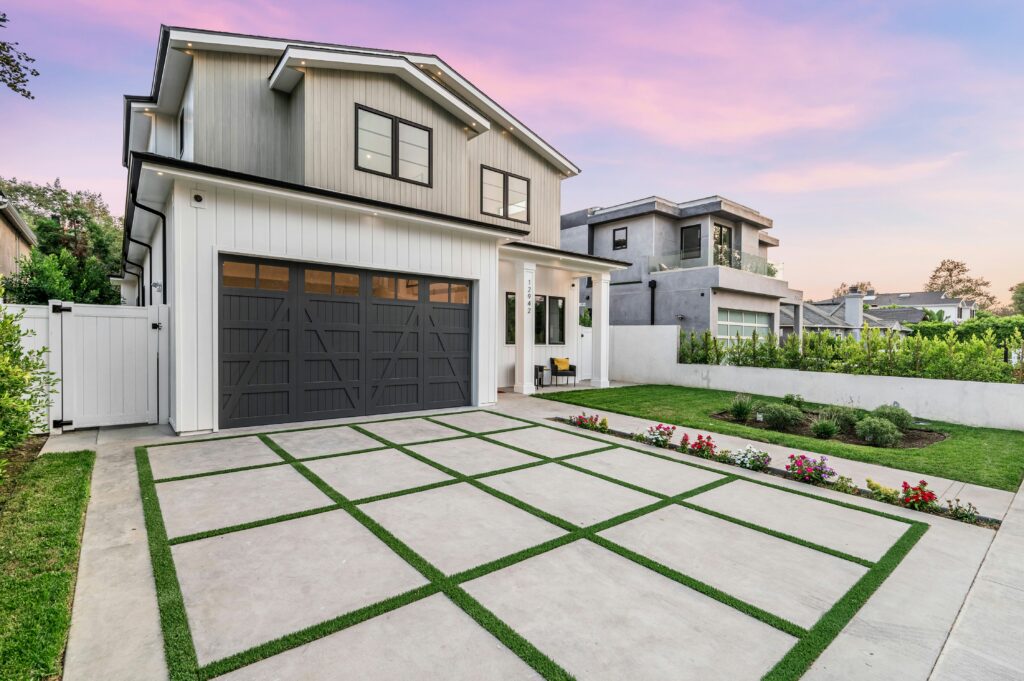
A home’s exterior is the first handshake it offers the world, and that handshake can either be firm and confident or weak and forgettable. In a housing market where buyers scroll listings faster than social media feeds, curb appeal has become a deciding factor within seconds. Even if you are not planning to sell, your home’s appearance influences how neighbors, visitors, and even delivery drivers perceive your space.
Recent real estate trends show that homes with well-maintained exteriors tend to sell faster and often above asking price. This is not just about aesthetics but about signaling care and attention. A clean driveway, intact siding, and fresh paint communicate that the rest of the home is likely just as well cared for, which reduces buyer hesitation.
Roofs, Weather, and Hidden Risks
Weather patterns across the United States have become less predictable, with stronger storms and heavier rainfall making headlines almost every season. Your roof takes the first hit, which makes regular inspection more important than many homeowners realize. Ignoring small issues like loose shingles can lead to leaks, mold, and costly structural damage that spreads quietly over time.
Working with a professional, such as a Lacey roofer, becomes less about luxury and more about prevention. Many homeowners wait until visible damage appears, but by then, repair costs have already climbed. Scheduling seasonal inspections and clearing debris from gutters can extend your roof’s life by years while protecting the interior from avoidable damage.
Small Repairs Prevent Big Expenses
Neglect often starts with something minor, like a cracked step or a loose piece of siding, but those small issues rarely stay small. Water finds its way into gaps, temperature changes widen cracks, and before long, what could have been a quick fix turns into a major repair project. The financial difference between early maintenance and delayed action can be significant.
In a time when inflation has pushed up the cost of labor and materials, homeowners are feeling the impact of postponed repairs more than ever. Addressing issues early not only saves money but also reduces the stress that comes with emergency fixes. Keeping a simple checklist of exterior tasks can help you stay ahead without feeling overwhelmed.
Energy Efficiency Starts Outside
When people think about energy efficiency, they often focus on appliances or insulation inside the home, but the exterior plays an equally important role. Gaps around windows, worn weather stripping, and poorly maintained siding allow air to escape, forcing your heating and cooling systems to work harder than necessary.
With energy costs rising across the country, improving your home’s exterior can lead to noticeable savings. Sealing cracks, upgrading windows, and maintaining proper insulation create a barrier that keeps indoor temperatures stable. These changes not only lower utility bills but also make your home more comfortable throughout the year.
Safety Is Not Optional
A neglected exterior can quietly become a safety hazard for both residents and visitors. Uneven walkways, loose railings, and damaged steps increase the risk of accidents, which can lead to injuries and potential liability issues. What seems like a minor inconvenience today could turn into a serious problem tomorrow.
Homeowners insurance claims related to exterior hazards have been rising, reflecting a broader awareness of risk. Taking time to inspect and repair these areas reduces the chance of accidents while also protecting your financial well-being. Safety should always be treated as a priority rather than an afterthought.
Pest Problems Begin Outside
Pests rarely appear out of nowhere. They are usually drawn in by conditions that make your home’s exterior inviting. Cracks in the foundation, overgrown vegetation, and standing water create the perfect environment for insects and rodents to settle in and eventually make their way indoors.
The increase in urban wildlife sightings and pest-related complaints in recent years highlights how important prevention has become. Keeping your yard trimmed, sealing entry points, and maintaining proper drainage can significantly reduce the chances of an infestation. It is far easier to keep pests out than to deal with them once they have moved in.
Community Standards and Social Pressure
Neighborhoods often develop an unspoken agreement about how homes should look and be maintained. While this can sometimes feel like quiet judgment, it also helps preserve property values and community pride. A well-kept exterior contributes to a sense of order and care that benefits everyone living nearby.
In an era where people share everything online, even neighborhoods have become part of a broader visual culture. A neglected home stands out more than it used to, and not in a good way. Maintaining your exterior is not about keeping up with others but about contributing to a shared environment that feels welcoming and cared for.
Maintenance as a Long-Term Strategy
Thinking about exterior maintenance as an ongoing strategy rather than a series of isolated tasks can change how you approach it. Instead of reacting to problems, you begin to anticipate them, which leads to better outcomes over time. This mindset shift makes the process feel less like a chore and more like an investment in your home’s future.
Creating a seasonal routine helps break the work into manageable steps. Spring might focus on cleaning and inspection, summer on repairs and painting, fall on preparing for colder weather, and winter on monitoring for damage. This structured approach keeps your home in good condition without requiring large bursts of effort all at once.
Maintaining your home’s exterior is not just about appearances. It is about protecting your investment, ensuring safety, and adapting to a world where environmental and economic pressures are constantly changing. When you take care of what is visible on the outside, you are also safeguarding everything that matters on the inside.