Home Improvement Decisions That Pay Off in the Long Run
If you own a home in Pittsburgh, you already know how much the local climate influences everyday comfort. Cold winters, humid summers, and frequent weather changes put constant pressure on your home’s structure. Over time, these conditions can reveal which home improvement decisions truly hold up and which ones fall short. That’s why homeowners in this area are increasingly focused on upgrades that don’t just look good now but continue to perform year after year.
It’s tempting to focus on quick fixes or cosmetic updates. Fresh paint, trendy fixtures, or decorative upgrades can feel satisfying in the moment. But once the novelty wears off, those changes often don’t improve how your home actually lives. Long-term value comes from improvements that support comfort, efficiency, and durability through every season.
When you take a long-view approach to home improvement, you start asking different questions. Will this upgrade lower energy costs? Will it reduce maintenance? Will it make daily life easier over time? The answers to those questions usually point toward practical, well-planned improvements that quietly pay off in the background.
Why Energy-Efficient Home Improvements Matter Most
One of the smartest places to start with long-term home improvements is energy efficiency. In a city like Pittsburgh, where heating and cooling demands shift dramatically throughout the year, energy loss can quickly drive up utility costs and reduce indoor comfort. Homes that struggle to keep warm in winter or cool in summer often have underlying efficiency issues that need attention.
Windows are a major factor in how well your home holds temperature. Older or poorly sealed windows allow drafts, moisture, and outside air to creep in, forcing your HVAC system to work harder. That’s why many homeowners turn to a trusted window company in Pittsburgh when they’re ready to improve insulation, reduce energy waste, and upgrade to modern replacement windows designed for long-term performance. Professional guidance helps ensure the right materials, proper installation, and energy-efficient designs that match local weather conditions.
Energy-efficient improvements like these don’t just lower monthly bills. They create a more stable indoor environment, reduce strain on heating and cooling systems, and improve comfort in every room. Over time, those benefits add up in ways you feel every day.
Choosing Materials That Age Well Over Time
Another home improvement decision that pays off is choosing materials with durability in mind. Trends come and go, but wear and tear is constant. Materials that look great but don’t hold up under daily use often require repairs or replacement sooner than expected.
When you choose finishes, surfaces, and fixtures, it’s worth considering how they’ll perform years down the line. Durable materials resist moisture, temperature changes, and everyday use better than trend-focused alternatives. They also tend to require less maintenance, saving time and money over the long term.
Homes built with longevity in mind don’t demand constant updates. Instead, they age gracefully, maintaining their function and appearance without frequent intervention. That stability is one of the most overlooked returns on smart home improvement decisions.
Improvements That Increase Everyday Comfort
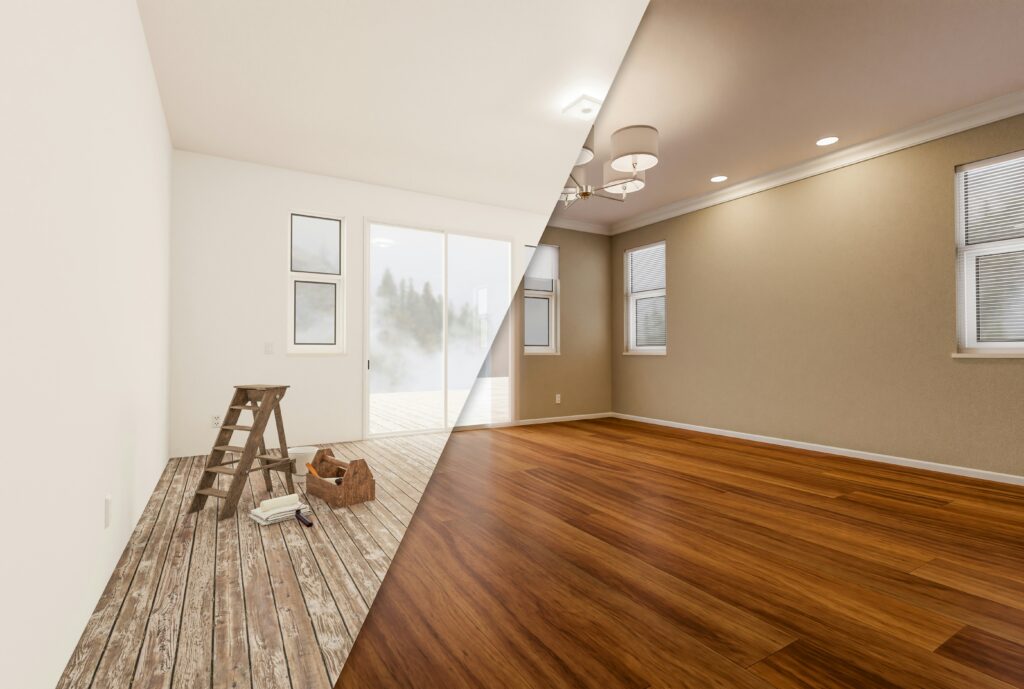
Comfort is one of the clearest signs that a home improvement decision was worth it. When your home feels comfortable in every season, daily routines become easier and more enjoyable. Improvements that support consistent temperature, reduce noise, and improve airflow have a noticeable impact on how your home feels.
Energy-efficient upgrades often play a big role here, but layout and lighting improvements matter too. Well-placed lighting can make spaces feel brighter and more welcoming. Improved insulation and sealing can reduce drafts and cold spots that make certain rooms uncomfortable.
When comfort improvements are done right, you stop thinking about them altogether. Your home feels better to live in, which is one of the strongest long-term returns any upgrade can offer.
Exterior Upgrades That Protect the Home
Exterior improvements are another category where long-term thinking really matters. Your home’s exterior is its first line of defense against weather, moisture, and temperature changes. When exterior systems are outdated or damaged, problems often start small and grow quietly.
Siding, roofing, windows, and doors all work together to protect the structure beneath them. Investing in quality exterior upgrades helps prevent water intrusion, heat loss, and structural damage. These improvements often cost more upfront, but they reduce the likelihood of expensive repairs later.
Homes with well-maintained exteriors also tend to hold their value better. They signal care, durability, and readiness for future owners, even if you plan to stay long-term.
Functional Layout Changes That Stay Relevant
Layout changes can be powerful, but only when done with flexibility in mind. Over-customizing a space to fit current trends or very specific needs can limit its usefulness later. The most successful layout improvements support multiple uses and adapt as lifestyles change.
Open, well-connected spaces tend to age better than highly segmented designs. Rooms that can shift between work, relaxation, and entertaining remain relevant as needs evolve. This flexibility reduces the need for future remodeling and keeps your home functional longer.
When planning layout changes, thinking beyond current habits helps ensure the space continues to work for you years from now.
Budgeting for Long-Term Value Instead of Short-Term Savings
Budget decisions play a huge role in whether home improvements truly pay off. It’s natural to want to save money upfront, but cheaper solutions often come with hidden costs. Frequent repairs, replacements, or inefficiencies can quickly outweigh initial savings.
Budgeting for long-term value means prioritizing quality where it matters most. That doesn’t mean overspending across the board. It means choosing durability, proper installation, and proven solutions over shortcuts.
Planning improvements in phases can also help balance costs. Tackling high-impact upgrades first allows you to spread investments over time while still moving toward long-term goals.
Home Improvements That Support Property Value
Even if you don’t plan to sell soon, it’s smart to consider how improvements affect property value. Certain upgrades consistently appeal to future buyers, especially those that improve efficiency, comfort, and durability.
Energy-efficient features, updated windows, and well-maintained exteriors tend to age better than highly personalized design choices. Neutral, functional improvements make a home easier to maintain and more attractive to a wide audience.
Avoiding over-improvement is just as important. Renovations that align with your home’s style and neighborhood expectations tend to deliver stronger long-term returns.
Home improvement decisions that pay off in the long run focus on durability, comfort, and efficiency rather than quick visual impact. By investing in energy efficiency, choosing materials that age well, and planning upgrades with flexibility in mind, you create a home that supports you year after year.
The best improvements don’t demand attention. They work quietly in the background, keeping your home comfortable, protected, and easy to live in. When you choose long-term value over short-term trends, your home becomes a space that truly stands the test of time.