
Remodeling Older Homes Without Losing Character
Older houses have a personality that modern builds often lack. You might love the creaky floorboards or the intricate trim. Striking a balance between modern comfort and historic charm is a common goal. This path requires a careful hand and a clear plan. Making updates without losing the original spirit is possible with the right approach. Since these buildings have history, every change should feel like a natural part of the story.
Evaluating the Original Features
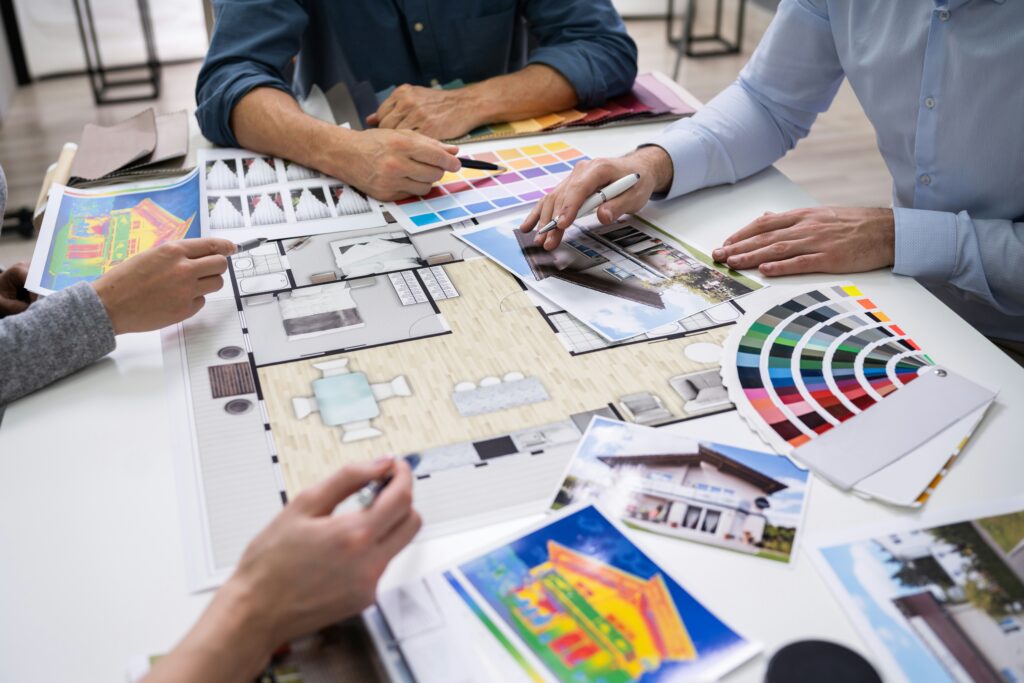
Start by looking at the parts of your home that make it unique. Check the crown molding, the built-in cabinets, and the hardwood floors. These items give the space its personality and should be saved if possible.
Many people find that restoring these elements costs less than replacing them with new materials. It takes time to strip old paint or sand down wood, but the result is worth the effort. You should keep as much of the original timber as you can.
Balancing Modern Needs and Style
Every old house has a story told through its craftsmanship. People often choose a complete home renovation to bring their living space into the modern age. This process allows you to fix structural issues without erasing the unique details of the past. You can update the electrical work and plumbing behind the scenes.
This keeps the house safe and functional for a modern lifestyle. It is best to hide new tech behind old-style panels or inside closets.
Selecting Historically Appropriate Materials
Choosing the right materials keeps the look consistent throughout the property. Modern composites often look out of place next to century-old wood. A guide on luxury trends for 2025 mentions that using natural stone and reclaimed wood adds warmth to a space.
These items blend well with older construction and provide a high-end feel. Using natural textures keeps the house feeling authentic. You can find stone that matches the original foundation or porch.
Reclaimed Wood Benefits
Reclaimed wood has a history and a patina that new lumber cannot match. It works well for flooring, accent walls, or shelving. Using it reduces waste and honors the age of the building. Plus, it is often more stable than new wood. You can find pieces from old barns or factories that fit your home style.
Improving Efficiency Without Compromising Beauty
Upgrading an old home often means dealing with drafty rooms. One government energy site explains that 25% to 30% of energy used for heating and cooling is lost through windows. You can solve this by installing storm windows or high-quality replacements. These units look like the originals but offer much better insulation. This keeps your utility bills low while keeping the historic look intact. You should look for frames that match the original grid patterns.
Small Details that Matter
Lighting and hardware play a big role in the overall feel of a room. Swapping out cheap modern knobs for brass or wrought iron fits the period of the house better. Look for light fixtures that mimic the style of the era when your home was built. These small changes bridge the gap between old and new styles. You can find many vintage-style options that use modern LED bulbs. Matching the metal finishes across the house creates a unified look.
Consider these areas when planning your updates:
- Kitchen cabinets and hardware
- Bathroom fixtures and tile
- Front door and entryway
- Original window frames
- Fireplace mantels
Changing the Layout for Better Flow
Older homes often have many small, closed-off rooms. Modern living usually favors a more open floor plan. You can remove a wall to connect the kitchen and dining area. Just make sure you keep some of the original separation to maintain the cozy feel. Keeping the same trim and flooring throughout the new space helps it feel like it was always there. This makes the home feel larger without adding square footage.
Color Choices and Textures
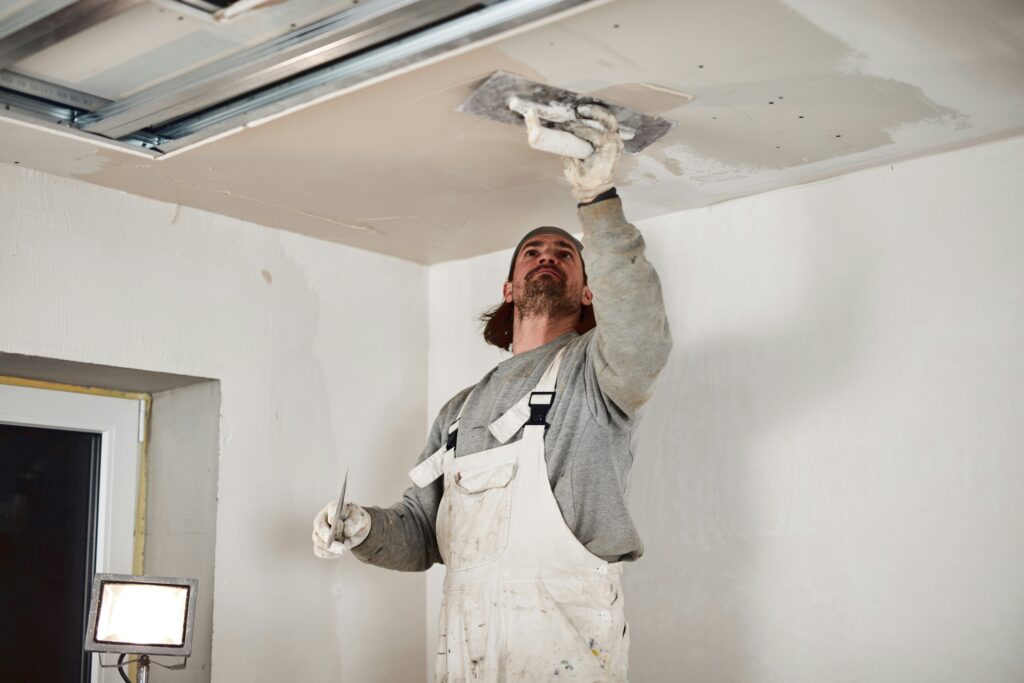
Paint can transform a room without changing any of the structure. Pick colors that complement the original wood tones in your home. Earthy greens and soft blues often work well with dark oak or mahogany. Using a flat or eggshell finish hides imperfections in old plaster walls. These colors create a calm environment that highlights the historic features. You can use lighter shades in dark hallways to make them feel more open.
Living in a restored home offers a sense of history that new construction cannot provide. You get the comfort of modern tech with the beauty of old-world design. Taking the time to plan your updates keeps the character of the property intact. It is a rewarding process that turns a house into a home. Your efforts will preserve the building for many years to come. Every choice you make today helps tell the story of the house for the next generation.