Refresh, Renovate, Reimagine: Smart Ideas for a Better Home
Smart home renovation ideas can transform how a house supports everyday routines. Thoughtful upgrades improve comfort, efficiency, and long-term value while creating a space that feels intentional and welcoming. Careful planning ensures that each improvement serves a real purpose instead of following short-lived trends. Homeowners who focus on practical enhancements often see stronger returns, fewer maintenance issues, and a smoother renovation experience.
Clear goals keep the process focused. Some projects aim to improve functionality, while others address aging materials or outdated layouts. A well-structured plan connects design choices with long-term needs, making every dollar count. Renovation becomes less about dramatic change and more about meaningful improvement. With the right approach, refreshing your home can feel manageable and rewarding.
Start With a Clear Vision and Practical Goals
A successful renovation begins with understanding what truly needs attention. Walk through your home and note areas that feel inefficient, worn out, or disconnected from your lifestyle. Honest evaluation helps separate necessary upgrades from cosmetic desires. That distinction keeps budgets under control and prevents costly detours later.
Financial planning deserves equal attention. Establish a realistic budget that includes materials, labor, permits, and a small contingency fund. Renovation projects often reveal hidden issues once work begins, especially in older homes. Preparation reduces stress and protects your timeline.
Upgrade Bathrooms for Comfort and Longevity
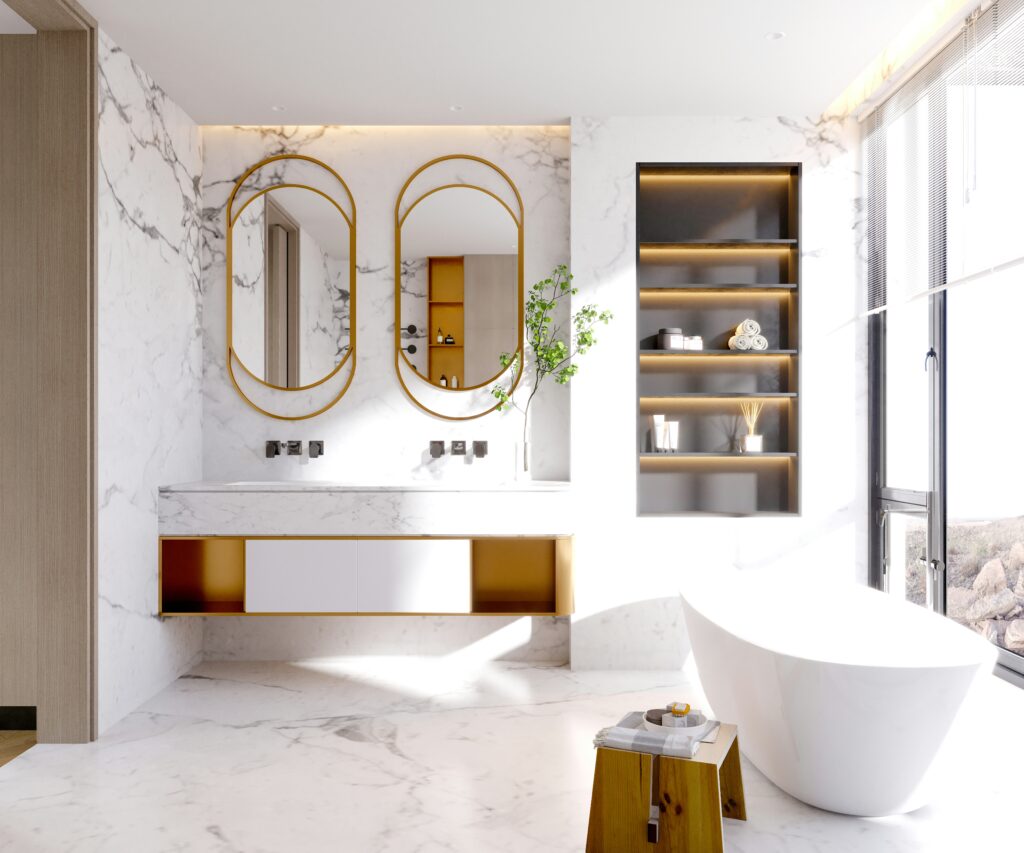
Bathrooms shape daily routines more than most spaces in a home. Poor lighting, outdated plumbing fixtures, and limited storage can make even a large bathroom feel inconvenient. When it comes to bathroom remodels, consider upgrades that improve both functionality and long-term durability.
Durable tile, moisture-resistant paint, and high-quality plumbing fixtures stand up to constant use. Proper ventilation prevents humidity damage and preserves finishes over time. Layout adjustments can dramatically improve usability. Expanded vanities, walk-in showers, and thoughtful storage solutions reduce clutter and simplify morning routines.
Transform the Kitchen Into a Functional Hub
Kitchens often serve as gathering spaces, workstations, and dining areas all at once. Renovations should prioritize workflow efficiency and reliable materials. A well-planned layout reduces unnecessary movement and makes cooking more enjoyable. Strategic placement of appliances, sinks, and prep areas improves productivity.
Cabinetry plays a major role in organization. Deep drawers, pull-out shelves, and structured pantry systems create accessible storage. Countertops must withstand frequent use, so material selection should balance durability and maintenance requirements. Quality surfaces resist stains and scratches while maintaining visual appeal.
Rethink Lighting for Mood and Efficiency
Lighting defines how every room feels throughout the day. Harsh overhead fixtures can flatten a space, while inadequate lighting creates shadows and discomfort. A layered lighting plan adds dimension and flexibility. Combining ambient, task, and accent lighting allows homeowners to adjust the mood based on activity.
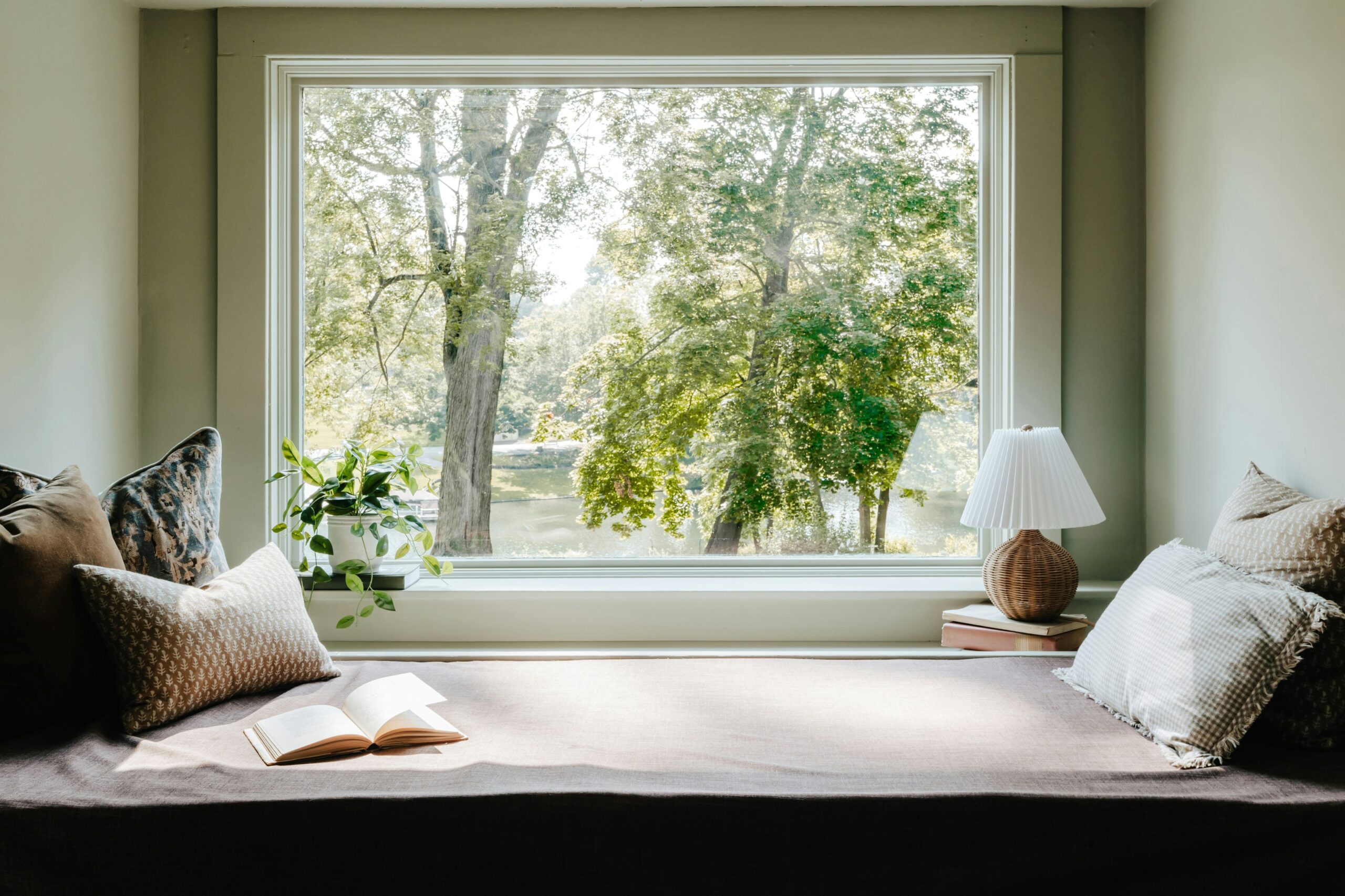
Energy-efficient bulbs and fixtures lower utility costs without compromising brightness. Smart lighting systems provide additional control through programmable settings and remote access. Proper placement highlights architectural details and improves room balance. Natural light should also guide renovation decisions. Enlarged windows or strategically placed mirrors help distribute daylight more effectively.
Improve Energy Performance and Insulation
Energy performance upgrades offer lasting benefits. Insulation improvements help stabilize indoor temperatures, reducing strain on heating and cooling systems. Sealed air leaks around doors and windows prevents drafts and improves overall comfort.
Updated windows with high-performance glazing increase efficiency while enhancing curb appeal. For those prioritizing both structural performance and architectural integrity, installing Timber Double Glazed Windows provides an effective method for enhancing insulation and maintaining consistent interior temperatures.
Modern HVAC systems provide consistent airflow and improved filtration. Smart thermostats allow precise temperature management and adapt to daily schedules. Lower energy consumption translates into long-term savings and reduced environmental impact. Stronger insulation and efficient systems create a quieter, more comfortable living environment. Renovations focused on performance often deliver measurable value that extends well beyond visual improvements.
Create Flexible Living Spaces
Homes need to adapt as routines and responsibilities evolve. A room that once served a single purpose may now need to function as an office, study area, or guest space. Renovation plans should account for that shift. Flexible layouts make better use of square footage without requiring major structural changes.
Movable partitions, built-in desks, and convertible furniture allow rooms to transition smoothly between uses. A spare bedroom can double as a workspace with the right storage and lighting. Living areas can include quiet corners for reading or remote meetings. Intentional zoning within open floor plans helps define areas without closing them off.
Maximize Storage Without Adding Clutter
Storage influences how calm and organized a home feels. Insufficient storage leads to visible clutter, which can make even newly renovated spaces feel unfinished. Thoughtful solutions increase capacity while maintaining clean lines.
Built-in cabinetry offers a seamless look that blends with the home’s architecture. Underutilized areas, such as the space beneath stairs or along hallway walls, can be transformed into functional storage zones. Custom closet systems improve organization and make daily routines more efficient. Open shelving requires careful styling to avoid visual overload. Closed cabinets often provide a more streamlined appearance. Hooks, baskets, and drawer organizers add structure without overwhelming the space.
Choose Materials That Balance Style and Durability
Material selection determines how well a renovation holds up over time. High-traffic areas demand surfaces that resist scratches, moisture, and wear. Hardwood flooring, engineered stone countertops, and quality tile provide long-lasting performance while maintaining visual appeal.
Color choices should allow for flexibility. Neutral tones create a timeless foundation that accommodates future décor updates. Textures and finishes can add depth without overwhelming the design. Careful coordination between flooring, cabinetry, and wall treatments establishes a cohesive look.
A better home results from planning and measured decisions. Each upgrade should reflect practical needs, reliable craftsmanship, and thoughtful design. Clear goals provide direction, while durable materials and efficient systems protect long-term value.
Renovation does not require a dramatic transformation to be effective. Focused improvements in layout, storage, lighting, and performance can significantly elevate everyday living. Smart choices made today shape how comfortably and efficiently a home functions tomorrow. Refresh with purpose, renovate with clarity, and reimagine each space with confidence. A well-designed home supports daily life while remaining adaptable for years ahead.