
A Homeowner’s Guide to Long-Term Property Care
Most homeowners don’t think much about maintenance until something goes wrong—a leak, a crack, or a system that suddenly stops working. By that point, the repair is often more expensive and stressful than it needed to be. Long-term property care is about avoiding that cycle. It means paying attention to small details before they turn into bigger problems.
A well-maintained home runs more efficiently, feels more comfortable, and holds its value over time. You don’t need a complicated plan or constant upgrades. What you need is a clear understanding of what to check, when to act, and how to stay consistent. This guide focuses on practical steps that make a real difference.
Spot Roof Problems Before They Spread
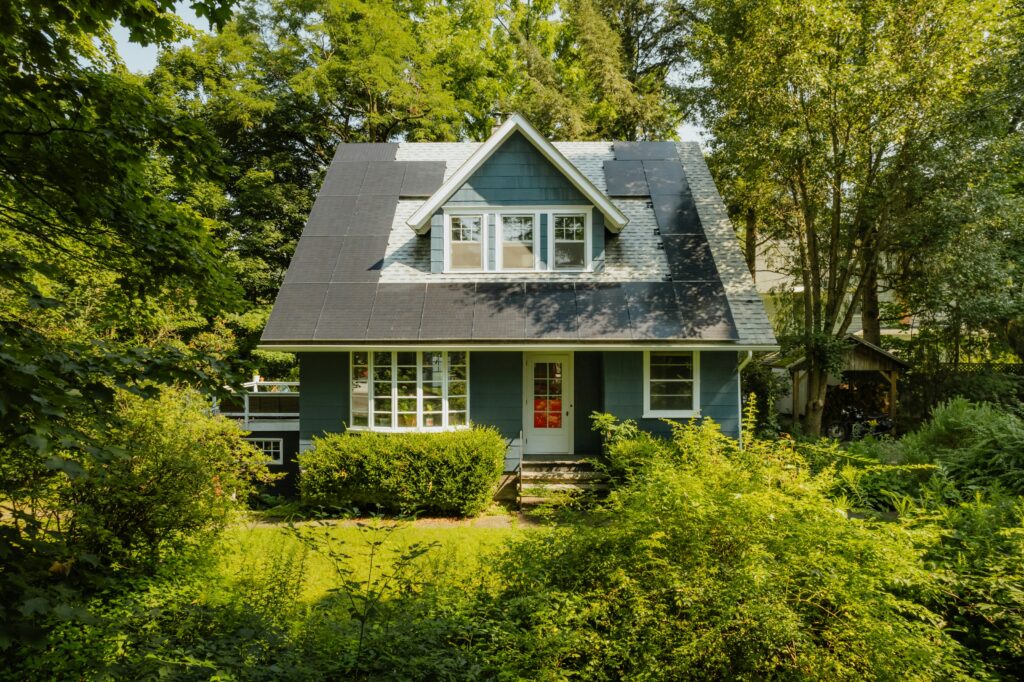
Roof issues rarely start as major problems. They begin with small signs that are easy to miss, like a loose shingle or a faint ceiling stain. If ignored, these signs can lead to water damage, mold, and higher repair costs.
Make it a habit to look at your roof from the ground every few months. After storms, check for visible damage or debris buildup. Inside your home, pay attention to discoloration on ceilings or walls.
If you notice repeated issues or aging materials, it may be time to speak with roof replacements experts who can assess the situation properly. Acting early gives you more options and helps you avoid sudden, expensive repairs that disrupt your routine.
Control Water Around Your Home’s Foundation
Water near your home’s base can cause serious structural issues over time. Many homeowners overlook this because the damage builds slowly. Start by checking your gutters and downspouts. If they are clogged or broken, water may collect near the foundation instead of flowing away. Make sure downspouts direct water a few feet away from the house. Look at the ground around your home after heavy rain.
If water pools instead of draining, the slope may need adjustment. Even small changes in grading can improve drainage. Keeping water away protects your foundation, prevents cracks, and reduces the risk of moisture entering your home. This is one of the most important steps in long-term property care.
Keep Your Heating and Cooling Systems Efficient
Your heating and cooling system works throughout the year, even when you don’t notice it. If you don’t maintain it, it will lose efficiency and cost more to run.
Start with the basics. Change filters regularly so air can flow properly. Dirty filters force the system to work harder and reduce indoor comfort. Schedule a yearly check with a professional to make sure all parts are working as they should. Listen for unusual sounds and pay attention to uneven temperatures in your home. These are early signs of trouble.
Keeping your system in good condition not only lowers energy use but also helps avoid sudden breakdowns when you need it the most.
Stop Moisture Buildup Before It Turns Into Mold
Moisture problems often start in places you don’t check often, like behind cabinets, under sinks, or in corners of basements. If air does not move well, dampness builds up and creates the right conditions for mold. Start by using exhaust fans in bathrooms and kitchens every time you cook or shower.
Check for condensation on windows or pipes, as this can signal excess humidity. Fix leaks right away, even slow ones. Letting them sit can damage surfaces and lead to hidden mold growth. If a space smells musty, don’t ignore it. That smell often points to trapped moisture. Keeping air flowing and surfaces dry helps protect both your home and your indoor air quality.
Maintain Exterior Surfaces to Prevent Damage
The outside of your home protects everything inside, so it needs regular care. Paint, siding, and sealants act as a barrier against rain, heat, and wind. When these layers wear down, moisture can get into the structure. Walk around your home and look for peeling paint, warped panels, or gaps in joints. Clean surfaces once or twice a year to remove dirt and buildup that can trap moisture.
If you see early signs of wear, handle them quickly instead of waiting for visible damage to spread. Repainting or sealing at the right time costs less than replacing damaged materials later. Keeping exterior surfaces in good shape also helps your home look well cared for without major effort.
Check Plumbing Areas Before Leaks Spread
Plumbing issues rarely happen all at once. They usually begin with slow leaks or small faults that go unnoticed. Take time to inspect under sinks, around toilets, and behind appliances like washing machines. Look for damp spots, corrosion on pipes, or a drop in water pressure. These signs often point to a developing problem. Turn off taps completely and listen for any dripping sounds afterward. Even a small leak can waste water and damage cabinets or flooring over time.
It’s also important to check hose connections and replace worn-out seals. Staying alert to these details helps you fix issues early and prevents larger repairs that can disrupt your home and daily routine.
Choose Upgrades That Reduce Future Maintenance
Not all home improvements are equal. Some changes look good but don’t help you in the long run. Focus on upgrades that lower future maintenance needs. For example, better insulation can reduce strain on your heating and cooling system.
Durable materials like metal roofing or high-quality siding last longer and need fewer repairs. When replacing parts of your home, think about how often you’ll need to maintain them. Ask questions before making decisions and avoid quick fixes that require constant attention. A well-planned upgrade should save you time and effort over the years. Spending wisely now can reduce ongoing costs and help your home stay in good condition with less work.
Track Repairs and Improvements Over Time
Keeping a record of what you fix or replace helps you stay organized and plan ahead. Write down dates of repairs, service visits, and upgrades. Include details like what was done and who handled the work. This makes it easier to follow maintenance schedules and avoid repeating the same checks too often.
If a problem comes back, you can quickly review past work and understand what might have gone wrong. These records also help if you decide to sell your home, as buyers often want proof of proper care. You don’t need anything complex. A simple notebook or digital file is enough to keep everything in one place and easy to access.
Taking care of a home over the long term doesn’t require constant effort, but it does require attention and consistency. The key is to deal with small issues before they grow into bigger ones. Regular checks, timely repairs, and smart decisions about upgrades all play a role in keeping your home in good shape.
When you stay proactive, you avoid sudden problems that cost more and take longer to fix. You also create a more comfortable and reliable living space. Start with a few simple habits and build from there. Over time, these small actions will protect your home, reduce stress, and help you manage costs more effectively.