
A Homeowner’s Guide to a Cleaner, Healthier Attic Space
Most attics don’t get much attention until something feels off. You might notice a stale smell when the HVAC kicks on or wonder why certain rooms never stay comfortable. These small signs often point back to the attic.
The space above your ceiling plays a direct role in air quality, temperature control, and even how clean your home feels day to day. When it’s neglected, problems build quietly. Dust collects, moisture lingers, and hidden damage spreads without obvious warning. This guide focuses on practical ways to keep your attic clean and healthy so it supports your home instead of working against it.
How to Do a Quick Attic Walkthrough
A basic attic check doesn’t require special tools, just a careful approach. Start by choosing a bright time of day so you can spot any daylight coming through the roof. Light entering where it shouldn’t often means gaps or damage.
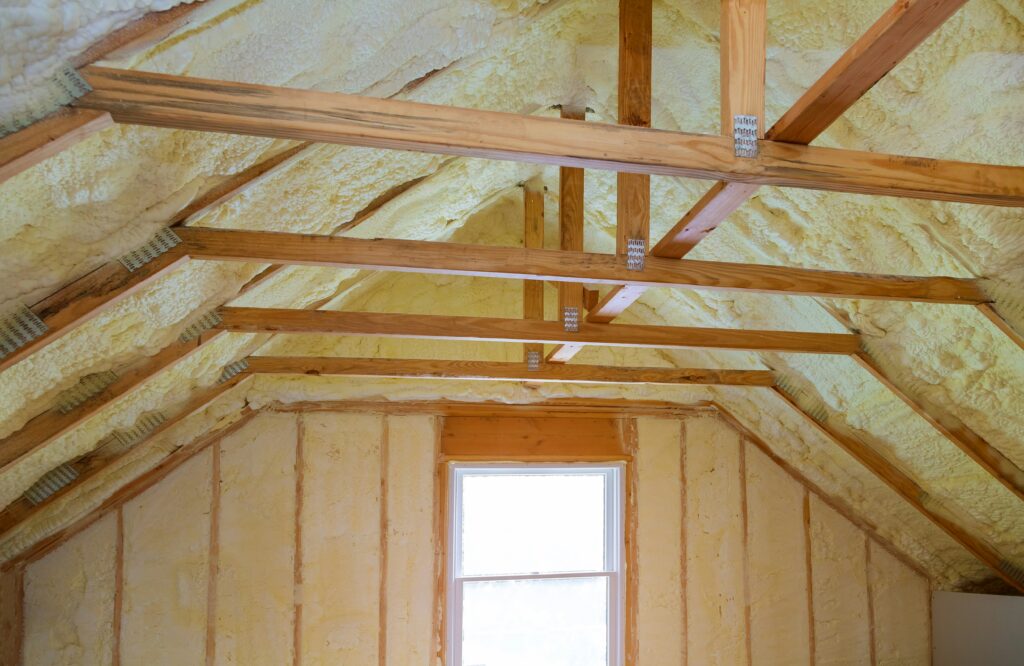
Look closely at insulation. It should appear even and dry, not flattened or clumped. Walk along stable areas only, usually the joists, to avoid damaging the ceiling below.
Check around vents and edges for dirt trails or staining, which can indicate airflow issues or past leaks. Take note of any strong smells while you’re up there. A quick walkthrough like this gives you a clear picture of what needs attention without overcomplicating the process.
When Wildlife Turns Your Attic Into a Nesting Spot
Wildlife often chooses attics because they offer warmth, shelter, and low disturbance. Animals such as bats look for small openings and settle in quickly. Once inside, they leave behind droppings, urine, and nesting materials that affect both air quality and insulation performance.
If you notice any of these signs, look up bat removal service near me to understand your options before the problem gets worse. Removing animals safely and sealing entry points helps prevent repeat problems and protects your home.
Cleaning Out Dust and Worn Insulation
Dust in the attic doesn’t stay put. It moves through your home over time, especially if your ductwork runs through that space. When dust builds up, it can carry allergens and affect how clean your indoor air feels. Start by removing loose debris carefully so you don’t stir everything into the air.
Old insulation often holds dust, odors, and sometimes contaminants from past issues. If it looks discolored, damp, or compressed, it’s usually better to replace it rather than add new material on top. Fresh insulation improves air quality and helps regulate temperature more effectively. Taking the time to clean and refresh this layer makes a noticeable difference in how your home feels.
Managing Moisture Before It Turns Into Damage
Moisture creates some of the most expensive attic problems, and it often starts in small ways. Warm air from inside your home rises and meets cooler surfaces in the attic, which leads to condensation. Over time, this moisture settles into wood and insulation.
You might notice dark spots, a damp smell, or slight warping in materials. Fixing this starts with airflow. Make sure vents are clear and not blocked by insulation. Check for roof leaks, even minor ones, since they can spread slowly. Sealing gaps where warm air escapes from your living space also helps reduce buildup. Staying ahead of moisture keeps your attic dry and prevents issues that are harder to fix later.
Why Good Ventilation Keeps Your Attic Healthy
Ventilation controls heat and moisture levels in your attic. Without proper airflow, heat builds up during warmer months and moisture lingers during cooler ones. This combination can weaken wood, reduce insulation effectiveness, and create conditions where mold can develop.
A balanced system usually includes intake vents along the lower edges of the roof and exhaust vents near the top. Air should move freely from one point to the other. If insulation blocks vents or airflow feels limited, the system won’t work as intended. You may also notice higher indoor temperatures or a stuffy feeling in your home. Keeping vents clear and properly placed helps maintain a stable and dry attic environment.
Sealing Small Gaps Before They Become Big Problems
Small openings in your attic often go unnoticed, but they create easy access points for outside air and wildlife. Gaps around roof lines, vents, and flashing allow heat to escape and moisture to enter. Even a narrow crack can let animals squeeze through.
During an inspection, look for areas where materials have shifted or pulled apart. Seal these spots using durable materials that can handle weather changes. Foam sealants and metal flashing work well in most cases. Pay close attention to areas where different surfaces meet, as these are common weak points. Closing these gaps improves energy efficiency and reduces the chance of unwanted visitors settling inside your attic.
Handling Attic Cleanup After Contamination
Cleaning an attic after contamination requires care and the right approach. Droppings, urine, and damaged insulation can carry harmful particles that become airborne when disturbed. Before starting, wear protective gear such as gloves, a mask, and eye protection. Avoid sweeping dry debris since that spreads particles into the air.
Lightly dampening affected areas helps keep dust under control during removal. Dispose of contaminated materials in sealed bags. After removal, clean the area using appropriate disinfectants that are safe for indoor use. Strong odors may linger if cleanup is incomplete. In cases with heavy buildup, professional cleanup may be necessary to fully restore the space and make it safe again.
Building a Simple Routine for Ongoing Attic Care
Keeping your attic in good condition doesn’t require constant effort, but it does need consistency. Plan to check the space at least twice a year, ideally during seasonal changes. Look for signs of moisture, insulation shifts, or new gaps forming along the roofline.
After storms, it’s worth taking a quick look to catch any damage early. Make sure vents remain clear and insulation stays evenly distributed. If you notice changes in temperature inside your home, the attic should be one of the first places you inspect. A simple routine like this helps you stay ahead of issues and reduces the risk of costly repairs over time.
A clean and healthy attic supports the comfort and safety of your entire home. It affects how your air feels, how your heating and cooling system performs, and how well your home holds up over time. Many attic problems start small, which gives you a chance to address them early if you stay aware of the signs.
Regular checks, proper ventilation, and timely repairs go a long way in preventing bigger issues. Taking care of this space doesn’t require complex steps, just steady attention and a practical approach. When you stay consistent, your attic remains a reliable part of your home instead of a source of hidden problems.