
If You Crash a Friend’s Car Off Campus, Your Insurance and Theirs Both Come Into Play
Experiencing dorm life during your college years comes with a lot of sharing what you have. You have a roommate, swap expensive books, and take turns with the communal microwave. If you’re lucky enough to have your car on campus with you, you might be sharing that too.
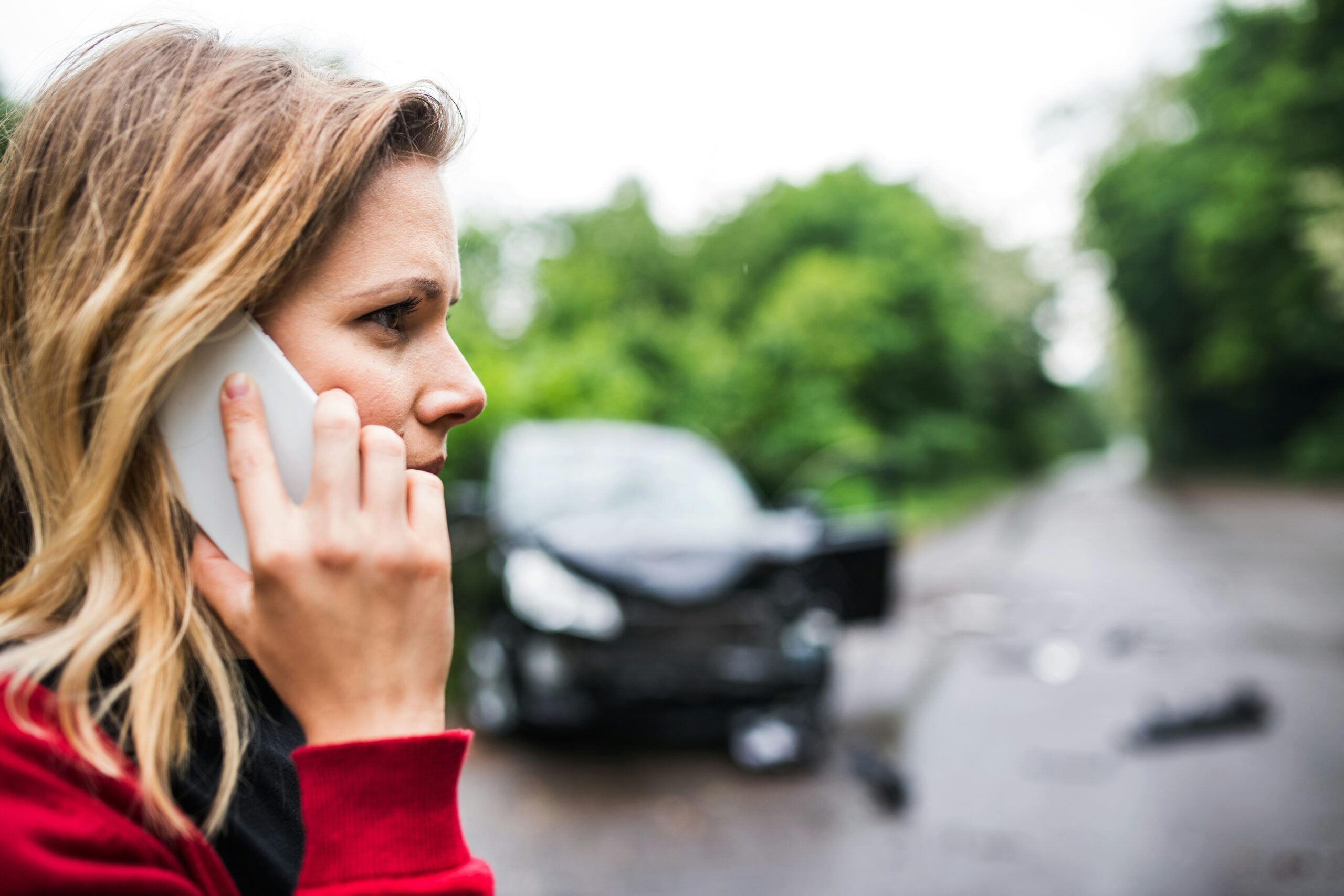
Tossing your keys to a friend to pick up a late-night takeout order is more than putting the responsibility for lo mein in their hands. Lending your car to someone comes with big leaps of faith, because your insurance coverage sticks with the vehicle, not the driver. If the unthinkable accident happens, dealing with the legalities and money issues can become a huge problem. Speaking to an experienced car accident lawyer for college students can help to untangle the overlapping liabilities when both yours and your friends’ coverage are dragged into the mix.
How Primary and Secondary Coverage Work
When you let a friend borrow your car, your insurance takes the hit first if they cause a wreck. Under a rule called "permissive use," your policy—not theirs—is the primary one responsible for paying the other driver's medical bills and vehicle repairs. The friend who actually caused the wreck would only use their auto policy as secondary or excess coverage. Their insurance acts as a safety net that kicks in exclusively if the crash damages exceed your auto policy's maximum payout limits. According to guidelines detailing how liability transfers to a vehicle owner, understanding this exact hierarchy of responsibility is the only way to avoid devastating financial surprises when a friend borrows your ride.
Why Regular Borrowers Must Be Listed
Occasional borrowing is one thing, but if the same person drives your car to their off-campus job three days a week, auto insurance companies officially view them as a regular user. Carriers expect anyone with frequent, uninhibited access to the vehicle to be formally listed on your policy declarations page as an authorized driver. Failing to disclose a regular driver can be interpreted as material misrepresentation, giving the insurance company valid legal grounds to retroactively cancel your policy or deny a major accident claim altogether. When a carrier denies coverage and leaves you holding the massive hospital bill, the resulting legal and financial chaos is exactly why retaining a car accident lawyer for college students becomes a necessary step to protect your rights and future credit score.
Handling Vehicle Repairs and Deductibles
While liability insurance covers the physical harm and property damage caused to others, fixing your own smashed bumper or crushed fender is an entirely separate headache. If your friend is officially deemed at fault for the crash, your collision coverage will theoretically pay to repair your vehicle, but you are still legally responsible for paying the deductible out of pocket before the body shop releases the car. Getting a buddy to actually reimburse you for a $500 or $1,000 deductible can easily strain or destroy a friendship, especially when everyone involved is living on tight collegiate budgets. Furthermore, because the claim is filed against your personal policy, your monthly premiums will almost certainly spike when it comes time for renewal, penalizing you for years regardless of who was actually driving.
Protecting Your Assets Before You Share
Lending out your car might seem like a casual, everyday favor, but it inherently ties your long-term financial wellbeing to another person's driving habits and split-second decisions. Before you hand over the keys to anyone, you need absolute certainty that your friend is a safe, licensed driver and that your own insurance limits are robust enough to absorb a worst-case scenario.
When the dust finally settles after a bad car crash, the confusing rules, different stories from people who saw it happen, and the people from the insurance company who are trying to get you to accept less money all make it very hard to get a good result without help from someone who knows what they're doing. In the end, protecting your driving record and your money means being clear about who's allowed to drive your car and knowing when to get help from someone who has done this before to deal with all the stress that comes after an accident.