
How to Start a Mobile Bar Service as a Side Hustle
If you’ve ever been to a wedding, corporate event, or trendy backyard party lately, you’ve probably noticed one thing: mobile bars are having a major moment. From vintage horse trailers turned cocktail stations to sleek portable bars serving espresso martinis, this side hustle has become one of the most creative ways to make extra income while building a fun and flexible business.
The best part? You don’t necessarily need a brick-and-mortar location, years of bartending experience, or a massive startup budget to get started. With the right setup, branding, and planning, a mobile bar service can grow from a weekend side hustle into a full-time business.
Here’s what you should know before launching your own mobile bar service.
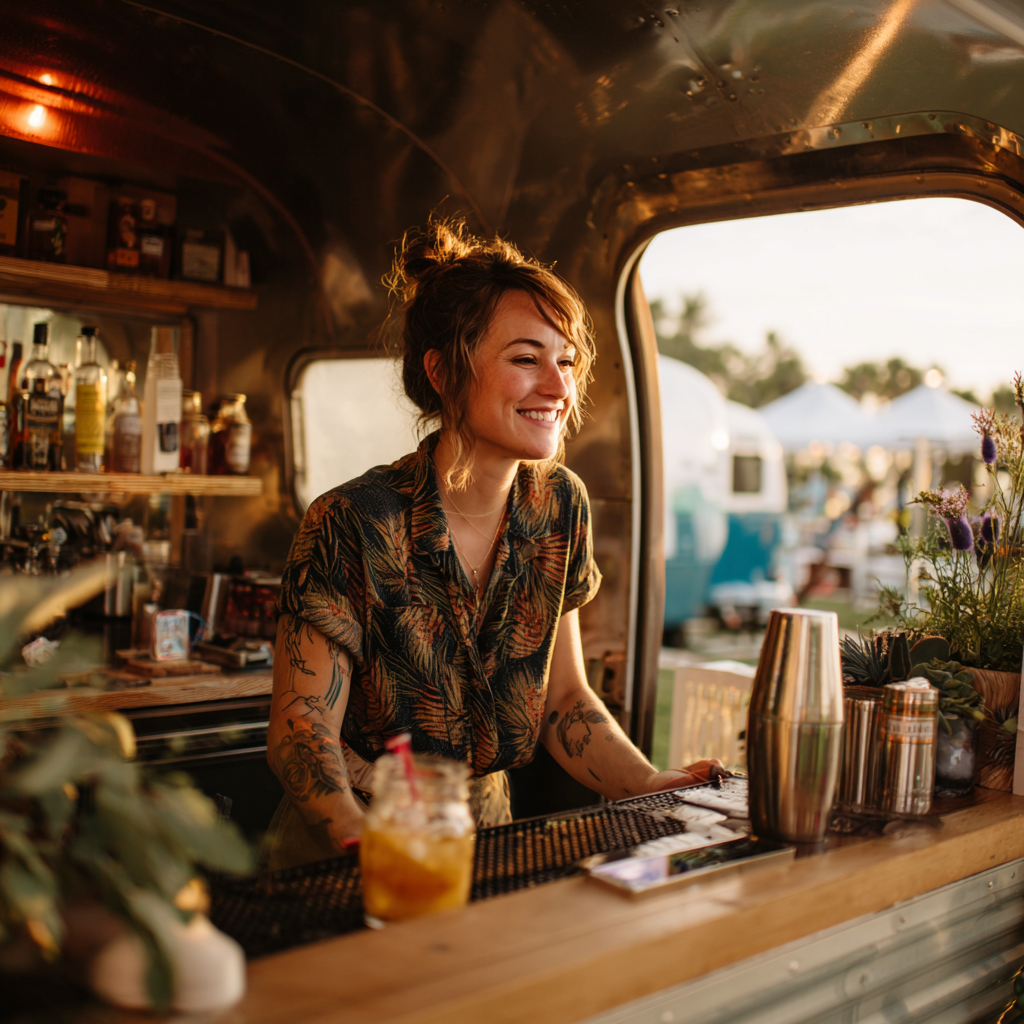
Decide What Type of Mobile Bar You Want to Run
The first step is figuring out your vibe. Mobile bars come in all kinds of styles, and your concept will shape everything from your branding to your pricing.
Some popular options include:
- Vintage trailer bars
- Rustic farmhouse-style bars
- Luxury cocktail carts
- Dry hire bars (you provide bartending and setup, not alcohol)
- Coffee and mocktail bars
- Beer and wine-only services
- Full-service cocktail catering
You don’t have to start with a fully renovated camper trailer either. Plenty of successful mobile bar businesses begin with a portable folding bar, simple décor, and a strong social media presence.
The key is creating an experience people want at their event.
Understand Your State’s Alcohol Laws
This is the part you absolutely cannot skip.
Alcohol laws vary heavily depending on your state, county, and local regulations. In many places, mobile bar owners cannot directly sell alcohol unless they have very specific licensing. Instead, many businesses operate under a BYOB or dry hire model where the client purchases the alcohol separately while the business handles bartending, mixers, cups, setup, and service.
Before booking your first event, research:
- Liquor licensing requirements
- Event permits
- Liability insurance
- Bartender certification requirements
- Rules for transporting alcohol
Having proper insurance is especially important when serving alcohol at weddings or large events.
Create a Brand That Feels Instagram-Worthy
A huge part of the mobile bar industry is aesthetics. People are paying for the experience just as much as the drinks.
Think about:
- Your business name
- Logo and color palette
- Staff uniforms
- Signature cocktail menu
- Bar styling and décor
- Packaging and glassware
A cohesive look helps your business stand out online and makes it easier for venues and event planners to recommend you.
Pinterest and Instagram are honestly free marketing tools for this kind of business. The more visually appealing your setup is, the easier it becomes to attract inquiries.
Invest in the Right Equipment
You don’t need to buy everything at once, but there are a few essentials you’ll want before your first booking.
Basic mobile bar equipment often includes:
- Portable bar setup
- Coolers or refrigeration
- Ice bins
- Cocktail tools
- Garnish containers
- Cups and glassware
- Tables and linens
- Menu signage
- Lighting and décor
- POS/payment system
Presentation matters more than people realize. Even your bottles contribute to the overall experience. Many mobile bar businesses choose visually elevated packaging to create a more premium look behind the bar. Custom details can make your business feel far more established, even early on.
Start Small Before Going All In
One of the biggest mistakes people make is overspending before they know whether they actually enjoy running events.
Instead of immediately buying a luxury trailer or expensive renovations, test the concept first.
You could:
- Work small backyard parties
- Offer mocktail bars at baby showers
- Partner with local photographers for styled shoots
- Volunteer for community events
- Collaborate with wedding vendors
This helps you build content, testimonials, and confidence without huge financial pressure.
You’ll also quickly learn what equipment you actually need versus what just looks cute on TikTok.
Build Relationships With Local Vendors
The event industry is incredibly referral-based.
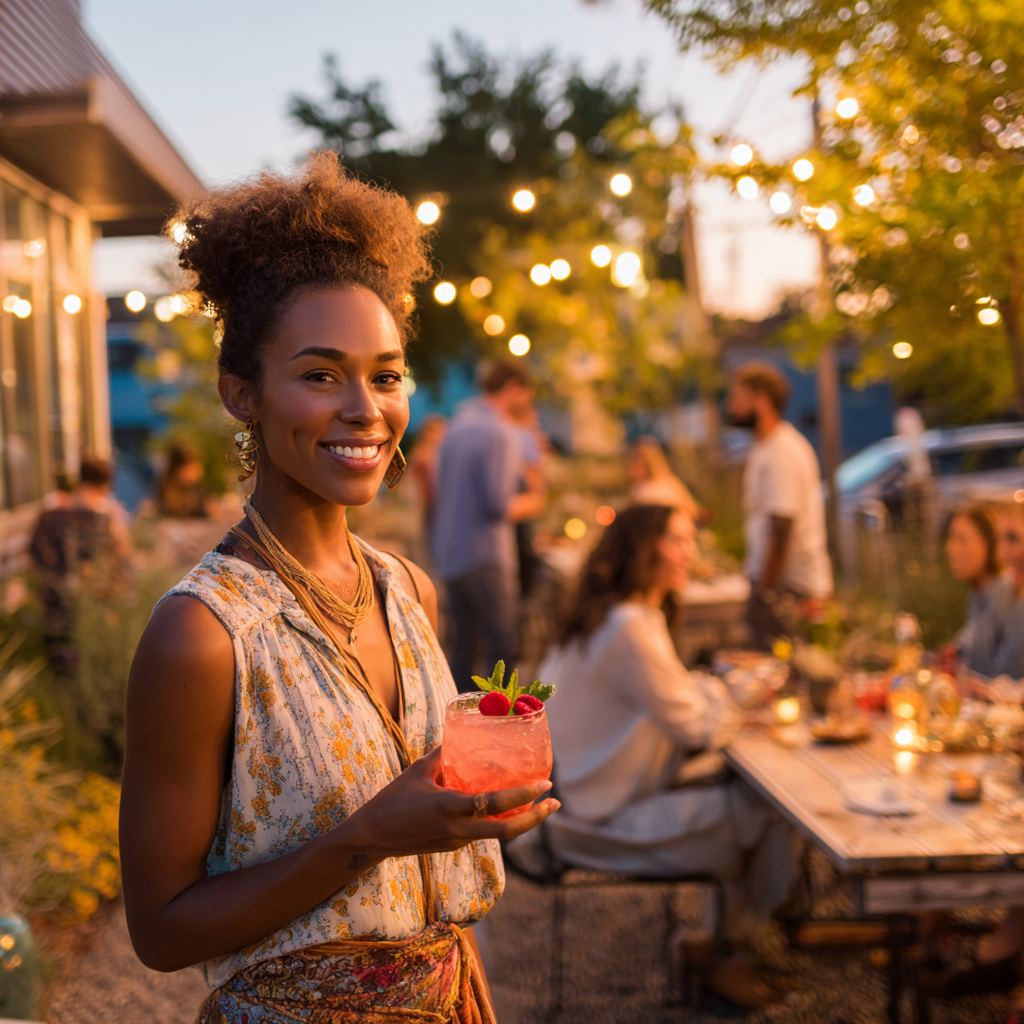
Wedding planners, photographers, venues, DJs, florists, and caterers constantly recommend vendors to clients. Building strong relationships with local businesses can become one of your biggest sources of bookings.
Try:
- Attending wedding expos
- Joining local Facebook wedding groups
- Networking with venues
- Offering discounted styled shoots
- Creating vendor referral partnerships
A single venue recommendation can sometimes lead to dozens of future bookings.
Figure Out Your Pricing Early
Pricing can feel awkward at first, but undercharging is one of the fastest ways to burn out.
When building your pricing, factor in:
- Travel time
- Setup and breakdown
- Staff pay
- Supplies
- Insurance
- Licensing
- Equipment maintenance
- Cleaning
- Administrative work
Remember: you’re not just charging for drinks. You’re charging for convenience, experience, styling, labor, and professionalism.
Many mobile bar businesses offer tiered packages so clients can choose different service levels depending on their budget.
Market Yourself Like a Lifestyle Brand
People booking mobile bars are often planning milestone events. That means your marketing should feel aspirational and experience-driven.
Instead of only posting drink photos, show:
- Event setups
- Behind-the-scenes prep
- Signature cocktails
- Client reactions
- Wedding aesthetics
- Seasonal menus
- Team personality
Short-form video content performs especially well for this industry because people love seeing transformations and event setups.
Even if you’re just starting, polished content can make your business look far more established.
Prepare for Long Days
Mobile bar businesses can look glamorous online, but event work is physically demanding.
You’ll likely spend weekends:
- Loading equipment
- Driving long distances
- Lifting heavy supplies
- Standing for hours
- Cleaning up late at night
That doesn’t mean it isn’t worth it. For many people, the flexibility, creativity, and income potential make it an incredibly rewarding side hustle. But it’s important to go in with realistic expectations.
Don’t Wait for the “Perfect” Setup
A lot of successful side hustles start before people feel fully ready, and mobile bar businesses are no exception.
You don’t need a luxury trailer, massive social media following, or years of bartending experience to begin. What matters most is creating a memorable experience, staying professional, and learning as you go.
Starting small allows you to refine your services, build your confidence, and grow sustainably without unnecessary pressure.
And honestly? In a world where people are craving unique experiences more than ever, a thoughtfully designed mobile bar business can be one of the most fun and creative side hustles to build right now.
This article is for informational purposes only.