Launching a Wellness Supplement Brand in Your Twenties
Young founders building a wellness or supplement brand in their twenties face a contract manufacturer conversation early in the journey. The decision determines product quality, regulatory compliance, and how realistically the business can scale on a tight launch budget. Most twenty-something founders cannot afford to build their own production facility. The manufacturer choice becomes the operational backbone of the brand for the first three to five years.

Young wellness founders evaluating partners often look for contract manufacturers willing to support startup MOQs alongside enterprise-grade compliance. Specialist manufacturers like Superior Supplement Manufacturing show the depth young founders should look for in this category. The Fountain Valley, California operation handles formulation, R&D, ingredient sourcing, multiple delivery formats, label design, packaging, and fulfillment. The single-roof model suits founders who need to focus on brand and customer work rather than supply-chain operations during the launch year.
Why Has Manufacturer Selection Become More Strategic for Young Founders?
Three structural realities make manufacturer selection one of the higher-stakes decisions for young wellness founders:
- Capital efficiency: Contract manufacturing means the founder does not need to fund facility build-out, which keeps the launch capital requirement reachable
- Speed-to-market: Turnkey partners compress the realistic launch timeline from 18 months to 6 to 9 months, which keeps the brand idea relevant
- Compliance depth: Reputable manufacturers carry GMP, NSF, USDA Organic, Kosher, and Halal certifications that young founders cannot afford to build independently
A contract supplement manufacturer is a third-party producer handling production from formulation through fulfillment. For young founders the partnership often shapes the brand's first five years of operations.
What Should Young Wellness Founders Verify Before Engaging?
Six criteria belong on every young-founder shortlist. The table below summarises what to weigh before commitment.
| Criterion | Why It Matters | What to Confirm |
| Startup-friendly MOQs | Capital alignment | First-run MOQs reachable for the brand stage |
| Certifications | Consumer-trust signal | GMP, NSF, USDA Organic, Kosher, Halal |
| Delivery format range | Product roadmap fit | Capsules, gummies, powders matching brand position |
| Formulation support | Differentiation depth | In-house formulation team available |
| Fulfillment options | Operational simplicity | Warehousing and direct-to-consumer fulfillment |
| Founder support style | Communication fit | Named contact and educational onboarding |
A manufacturer that produces clear answers across these six points signals a partner worth retaining. A manufacturer that deflects on any of them signals a setup that may not suit a young founder learning the category. The FDA's dietary supplement guidance hub outlines the foundational regulatory framework young supplement founders should reference.
Which Young Founder Categories Reward Specialist Counsel Most?
Three young-founder categories reward manufacturer depth more than the others:
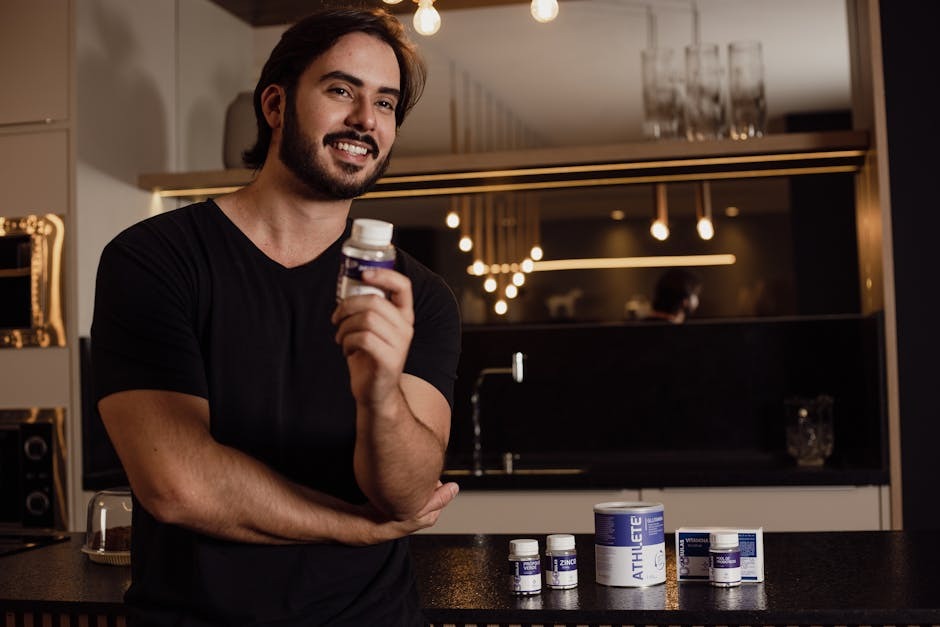
- Gen Z direct-to-consumer brands building a TikTok-and-Instagram-led launch where speed and creative flexibility matter
- Athlete-and-trainer-led brands where credibility hinges on rigorous formulation and clean-label sourcing
- Wellness-niche brands like adaptogen, mushroom, or specific-protocol products where formulation differentiation drives consumer interest
The FTC's dietary supplement advertising guidance outlines the broader framework young founders should reference for marketing claims. The first manufacturer conversation typically runs 30 to 60 minutes covering brand vision, format selection, and a written follow-up summary.
What Common Errors Surface in Young Founder Supplement Launches?
Several patterns recur:
- Chasing the lowest MOQ at the expense of certifications and formulation quality
- Skipping the in-person facility visit before committing to a long-term partner
- Underestimating regulatory compliance which young brands sometimes treat as optional
- Forgetting the cash-flow gap between paying the manufacturer and collecting from customers
- Treating the manufacturer as a one-off vendor rather than a strategic partner across the brand's first five years
The same kind of decision-making thinking visible in coverage of pros and cons of purchasing a MacBook for college reminds young founders that thoughtful comparison matters across major decisions. The manufacturer choice deserves the same care.
What Is the Bottom Line for Young Wellness Founders?
The manufacturer decision rewards young founders who plan rather than improvise. The window for thoughtful preparation typically runs from the early concept phase through to the first commercial production run. The right partner coordinates formulation, sourcing, production, packaging, and fulfillment under one engagement rather than splitting work across multiple parties.
Whether the founder is building a gym-floor brand, a TikTok-led launch, or a niche adaptogen line, the criteria translate cleanly. The first manufacturer conversation should answer specific questions about MOQ, certifications, and timeline. Young founders who run real comparison processes early end up with cleaner long-run outcomes than those who default to whichever partner first appeared in a search.
Pre-engagement preparation pays back across the entire brand-building cycle. The same kind of authenticity reflected in coverage of why ThredUp buying and selling may not be worth it reminds young founders that consumers research carefully. The supplement category rewards genuine quality even more than the apparel space. Specialist partners like Superior Supplement Manufacturing typically charge a premium relative to bargain-tier producers. The premium typically returns through tighter formulation, cleaner regulatory compliance, and meaningfully better fulfillment outcomes that protect the young brand's reputation across years of growth.
Frequently Asked Questions
What Are Realistic First-Run MOQs for Young Founders?
MOQs vary by delivery format. Capsule and tablet runs typically start at 1,500 to 5,000 units per SKU. Gummy runs often start at 5,000 to 10,000 units. Powder runs tend to start at 250 to 500 pounds. Some manufacturers offer lower-MOQ launch programs specifically aimed at first-time founders, sometimes as low as 500 to 1,000 units.
How Long Does a Typical First Production Run Take?
Plan for 12 to 20 weeks from contract signing to first product delivered. Formulation and stability testing typically take 4 to 8 weeks. Ingredient sourcing and label production run 4 to 6 weeks. Production and packaging usually take 2 to 4 weeks. Quality testing adds 1 to 2 weeks before product ships to the brand.
How Much Capital Does Launching a Supplement Brand Typically Require?
Most direct-to-consumer supplement brands launch with 50,000 to 250,000 dollars in initial capital. The figure covers first production runs, label and packaging design, brand development, regulatory consultation, and initial marketing. Higher-end brands targeting retail distribution typically require 250,000 to 750,000 dollars in launch capital. Young founders raising friends-and-family rounds often target the lower end of that range.
How Do Young Founders Build Manufacturer Relationships Without Track Record?
Bring a clear brand concept, realistic financial projections, and a written launch plan to the first manufacturer conversation. Demonstrating preparation matters more than founder experience. Many specialist manufacturers actively work with first-time founders and provide educational onboarding through the formulation and first production cycle.