How to Find the Best Treatment for Hyperhidrosis That Truly Works
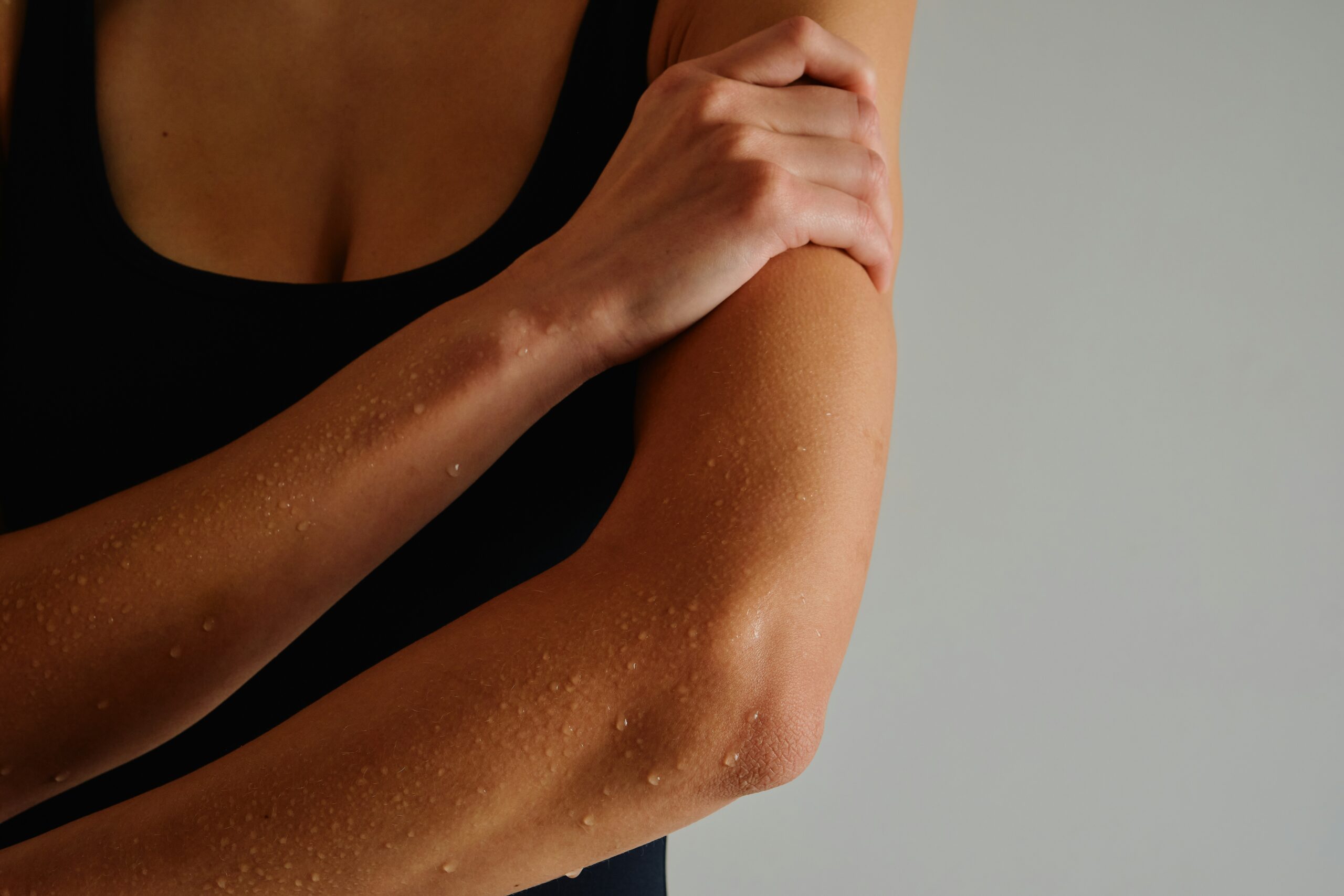
Excessive sweating becomes a medical concern when it occurs during ordinary activities, soaks clothing, affects hygiene, or disrupts work and social situations. Hyperhidrosis can result from inherited overactive sweat glands, medications, medical conditions, or dietary factors. The right treatment depends on the cause, the affected areas, and the expected duration of results. Comparing the available treatment options after a careful assessment can help patients choose a practical treatment plan. This process starts with identifying the source of a patient’s symptoms.
Start With the Cause and Pattern
A clinician first distinguishes primary hyperhidrosis from secondary hyperhidrosis before recommending the best treatment for hyperhidrosis, depending on the patient’s individual circumstances. Primary hyperhidrosis often runs in families, while secondary hyperhidrosis develops because of another condition, medication, or dietary factor. Sweating that begins suddenly later in life requires medical evaluation before treatment focuses on the underarms.
Treatment Options Based on Affected Area
Treatment decisions also depend on the areas affected. Underarm sweating has different treatment options than sweating on the hands, feet, face, or scalp. Patients should record when sweating occurs, which areas are involved, and whether symptoms appear during rest, sleep, exercise, or stress.
Finding the Right Treatment
Patients comparing treatments for hyperhidrosis should examine how each option works, how long results last, and what recovery involves. This comparison matters because one patient may prefer temporary relief, while another may want a longer reduction in sweat production. Treatment goals help narrow the available choices.
Compare Botox and MiraDry
BOTOX injections reduce underarm sweating by blocking the nerve signals that activate sweat glands. The treatment takes about 30 minutes, and a topical anesthetic reduces discomfort during the injections. Results typically last four to six months, so repeat appointments form part of the treatment plan.
How MiraDry Works
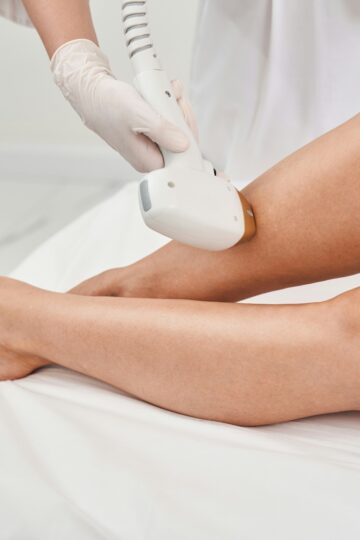
MiraDry uses microwave energy to destroy sweat glands in the underarm area. The procedure takes about an hour after anesthetic application, and it requires no surgery or downtime. Many reports indicate that patients usually experience an approximately 80% reduction in sweating within three months.
Choosing Between Treatments
Both treatments are FDA-approved, and reported temporary side effects include swelling and numbness. The treatment area, expected duration, and willingness to schedule repeat visits help determine which option suits a patient’s needs.
Consider Results Beyond Sweat Reduction
MiraDry affects the sweat glands in the underarms, so its effects extend beyond moisture control. Patients typically also experience less underarm odor because the treated area loses the ability to produce odor. Patients have also reported reduced underarm hair after treatment.
BOTOX interrupts nerve signals rather than removing sweat glands. Its effects therefore wear off as nerve activity returns. Patients who choose BOTOX should plan for future treatments when sweating becomes troublesome again.
Check Whether You Need Hyperhidrosis Treatment
Neither treatment replaces an assessment for secondary hyperhidrosis. If a medication or medical condition causes sweating, treating that underlying cause addresses the source instead of managing one symptom alone. A clinician can review the patient’s health history before recommending an underarm procedure.
Weigh Treatment Time and Maintenance
A shorter appointment does not always be the best long-term fit. BOTOX takes less time initially, but its four-to-six-month duration requires ongoing maintenance. MiraDry takes longer during the first visit, but patients usually do not need additional treatment unless their hyperhidrosis is severe.
Treatment Costs
Cost also requires a long-term view. BOTOX often costs less per appointment, while repeated visits increase the total expense over time. MiraDry may involve a higher initial cost, but fewer follow-up treatments can mean a lower total cost.
Patients should ask the following questions before they choose:
- How many sessions the clinician expects
- Which side effects require follow-up
- What normal recovery involves
Clear answers make the decision more practical and reduce surprises after treatment.
Choose a Plan Based on Daily Needs
Someone who needs temporary control for seasonal events or occasional professional demands may prefer BOTOX. People looking to reduce underarm sweating for a longer period may consider MiraDry. The right choice depends on the affected area, the cause, treatment goals, and tolerance for repeat appointments.
Patients should also consider whether odor or underarm hair affects their decision. MiraDry addresses those concerns along with sweat reduction, while BOTOX provides temporary control without destroying the sweat glands.
A consultation should cover medical history, current medications, previous treatments, expected results, and possible side effects. A detailed discussion gives patients a clearer basis for choosing treatment instead of relying on one factor, such as appointment length or initial price.
Conclusion
The best hyperhidrosis treatment matches the cause of sweating with the patient’s preferred duration, treatment area, and maintenance plan. BOTOX provides temporary underarm control by interrupting nerve signals, while MiraDry destroys underarm sweat glands and usually produces longer-lasting results.
Anyone considering treatment should document symptoms, review medications and health conditions, and discuss both procedures with a qualified clinician. The first appointment can guide patients in the right direction and explain the practical next step toward choosing treatment that fits their needs.