How a Nervous System Regulation Device Supports Recovery After Gyrotonic Classes Palo Alto
Recovery doesn't end when class does. After a session of Gyrotonic Classes Palo Alto, your body has completed a series of flowing, multi-dimensional movements that challenge mobility, coordination, strength, and breathing. While these sessions often leave people feeling energized, the nervous system still needs time to process the physical and mental demands of movement.
That's where a Nervous System Regulation Device can play a supportive role. Used alongside healthy recovery habits like hydration, sleep, and gentle stretching, it may help create the conditions for your body to transition from activity into recovery more efficiently.
Why Recovery Matters After Gyrotonic Training
Gyrotonic exercises are unique because they combine circular movement patterns, controlled resistance, and intentional breathing. Rather than isolating muscles, they encourage the entire body to work as an integrated system.
Even though the workout feels smooth and low impact, your nervous system is constantly coordinating balance, posture, joint positioning, and muscle activation. Recovery gives your brain and body time to consolidate these adaptations so you're ready for your next session.
Without adequate recovery, it's common to experience lingering fatigue, stiffness, or reduced movement quality.
The Nervous System's Role in Physical Recovery
When you exercise, your body naturally shifts toward a heightened state of alertness. Heart rate increases, breathing becomes deeper, and muscles prepare for movement.
Recovery begins when the nervous system gradually transitions back toward a calmer state. During this period, your body can:
- Lower muscle tension
- Restore energy reserves
- Improve circulation
- Support tissue repair
- Promote relaxation and quality sleep
This transition is just as important as the workout itself.
How a Nervous System Regulation Device May Help
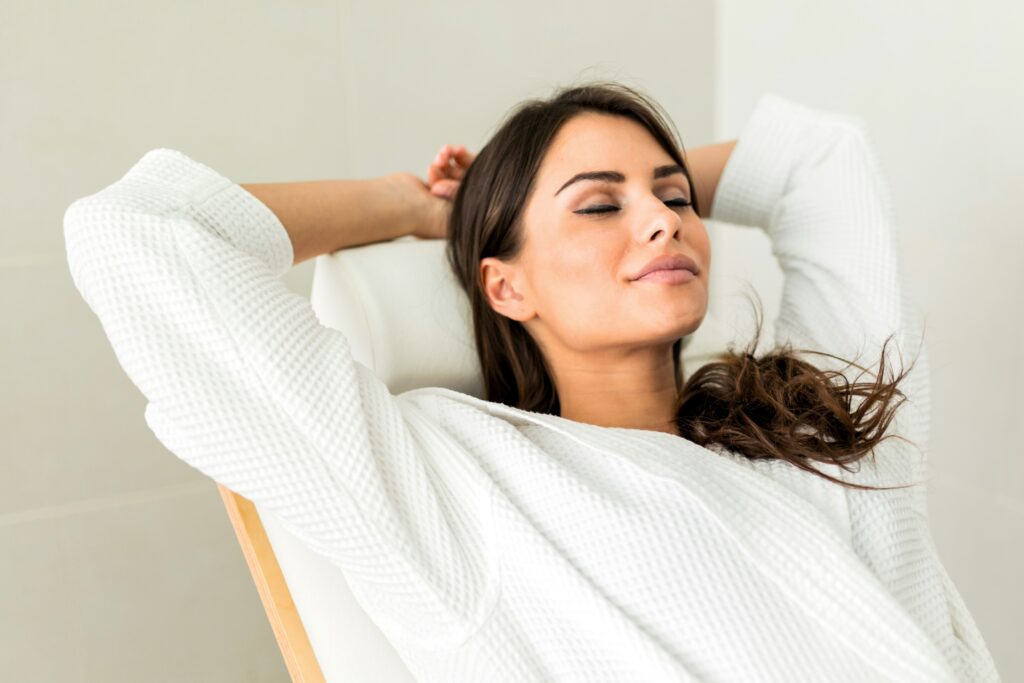
A Nervous System Regulation Device is designed to encourage relaxation by supporting the body's natural calming processes. While individual experiences vary, many users incorporate these devices into their post-workout routine because they enjoy the feeling of unwinding after physical activity.
Potential benefits may include:
- Feeling more relaxed after exercise
- Reduced perception of stress
- Easier transition into recovery
- Improved comfort before bedtime
- Better consistency with recovery routines
Rather than replacing exercise or rehabilitation, these devices are intended to complement an overall wellness plan.
Pairing Recovery Tools With Gyrotonic Practice
People attending Gyrotonic Classes Palo Alto often focus heavily on movement quality. Applying the same attention to recovery can improve the overall experience.
A simple post-class routine might include:
- Drink water to replace fluids lost during exercise.
- Walk for five to ten minutes to allow heart rate to gradually decrease.
- Perform gentle breathing exercises.
- Use a Nervous System Regulation Device as part of a quiet recovery period.
- Eat a balanced meal containing protein and carbohydrates.
- Prioritize quality sleep that evening.
These habits work together to support consistent training.
Supporting Mobility Beyond the Studio
Improved mobility depends on more than stretching. Your nervous system influences how safely and comfortably your body allows movement.
When your body feels relaxed, muscles often move with less unnecessary guarding or tension. This can make everyday movements feel smoother and may help you maintain the mobility gains developed during Gyrotonic sessions.
Many practitioners find that paying attention to recovery allows them to approach each class feeling fresher and more prepared.
Managing Stress Between Workouts
Modern lifestyles often keep the nervous system activated long after the workday ends. Deadlines, commuting, family responsibilities, and constant digital notifications can make true recovery difficult.
Using a Nervous System Regulation Device during quiet moments—whether after work or following exercise—may become part of a broader stress-management strategy alongside mindfulness, breathing exercises, and regular movement.
Consistency usually provides greater long-term value than occasional intensive recovery sessions.
Recovery Is About Building Better Movement
Progress isn't created only during exercise. Much of the body's adaptation happens afterward.
Whether your goal is improving flexibility, reducing stiffness, enhancing posture, or simply feeling better throughout the week, making recovery a priority helps support those objectives.
Combining Gyrotonic Classes Palo Alto with healthy recovery habits—including sleep, nutrition, hydration, and appropriate relaxation techniques—creates a balanced approach that supports sustainable movement and long-term well-being.
Final Thoughts
Movement and recovery should always work together. While Gyrotonic Classes Palo Alto develop coordination, mobility, and strength, the body's recovery systems allow those benefits to accumulate over time.
Adding a Nervous System Regulation Device to your recovery routine may provide a simple way to create dedicated time for relaxation after exercise. Alongside consistent movement, good nutrition, restorative sleep, and stress management, it can become one piece of a comprehensive wellness strategy that helps you continue moving comfortably and confidently.