The Best Foods to Eat for a Cleaner and Healthier Liver Overall
The liver processes nutrients, produces bile, manages energy storage, and breaks down substances in the bloodstream. Diet cannot “detox” the organ overnight, but consistent food choices can enhance normal liver function.
Meals built around fiber, unsaturated fats, antioxidants, and minimally processed ingredients also support a healthy weight. The best approach combines these foods with limited alcohol, regular movement, and medical care when symptoms or abnormal test results appear.
1. Fruits With Fiber and Antioxidants
Apples, berries, oranges, grapefruit, and pears add fiber, vitamin C, and protective plant compounds. Fiber supports digestion and helps meals produce steadier blood sugar responses, which supports metabolic health. Fresh or frozen fruit works well at breakfast, in a salad, or alongside plain yogurt. Whole fruit is a better choice than juice because it contains more fiber and takes longer to consume.
For a practical guide to meal planning, foods that support liver health include apples, berries, citrus fruits, and other fiber- and antioxidant-rich foods. These choices fit easily into snacks, breakfasts, salads, and dinners without requiring special preparation. Eating several types throughout the week also brings different nutrients and plant compounds to the diet.
2. Fatty Fish and Other Lean Proteins
Salmon, sardines, trout, and mackerel provide omega-3 fatty acids, which support healthy fat metabolism. They also supply protein without the high saturated fat content found in many processed meats.
People who don’t eat fish can choose beans, lentils, tofu, eggs, or skinless poultry. Replacing sausage, bacon, and heavily processed deli meat with these choices reduces the saturated fat and sodium in everyday meals.
3. Cruciferous Vegetables
Broccoli, cauliflower, Brussels sprouts, cabbage, and kale contain fiber and plant compounds that support the body’s natural processing systems. Their low-calorie content also helps create filling meals without excess saturated fat or added sugar.
Roasting, steaming, or sautéing these vegetables preserves their texture and makes them easier to eat regularly. A serving of broccoli with beans or grilled fish creates a balanced plate with fiber and protein.
4. Avocados, Nuts, and Olive Oil
Avocados, walnuts, almonds, seeds, and extra-virgin olive oil supply unsaturated fats. These fit a liver-friendly eating pattern when they replace butter, shortening, or foods fried in repeatedly heated oils.
Portion size still matters because fats are calorie-dense. Adding a small amount of avocado to a sandwich or using olive oil for vegetables provides flavor without turning a balanced meal into a high-calorie one.
5. Beans, Lentils, and Whole Grains
Beans and lentils combine plant protein with substantial fiber. Oats, barley, brown rice, quinoa, and whole-grain bread add slow-digesting carbohydrates that support fullness and regular digestion.
These foods also help replace refined carbohydrates, such as sugary cereals, pastries, and white bread. A bowl of oatmeal with berries or lentil soup with vegetables creates a simple meal with useful fiber.
6. Coffee and Water
For adults who prefer caffeine, plain coffee fits many diets that support liver function. Research has linked regular coffee intake with healthier liver enzyme patterns, although sweeteners, heavy cream, and flavored syrups can add excess sugar and calories.
Water should remain the primary regular beverage. Sugary drinks provide large amounts of added sugar without fiber, while heavy alcohol intake directly strains the liver. People with liver disease should ask a clinician how much alcohol, if any, is safe.
Building a Liver-Friendly Plate
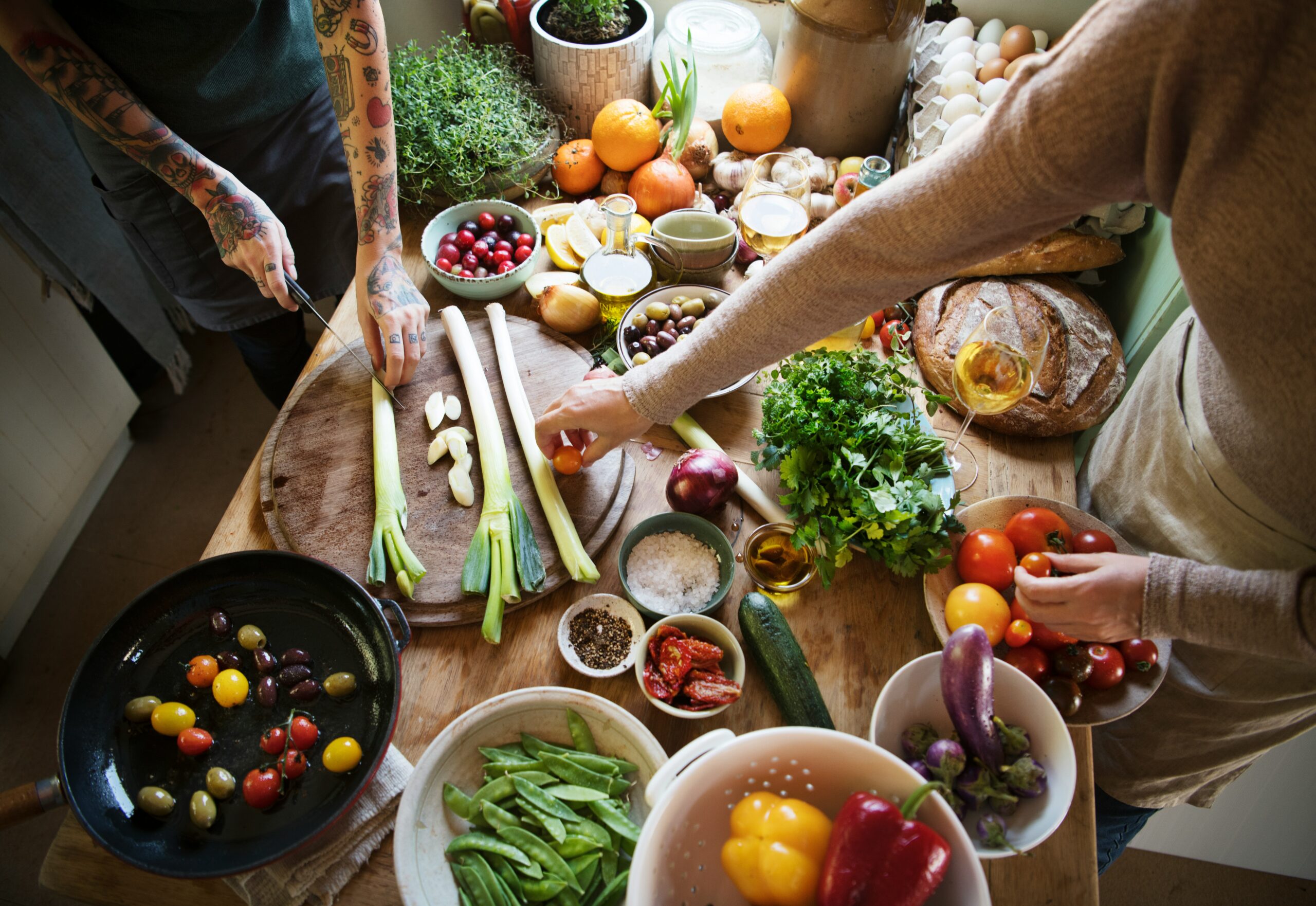
A practical serving contains half nonstarchy vegetables, one quarter protein, and one quarter whole grains or starchy vegetables. Add a small portion of unsaturated fat, such as olive oil, avocado, or nuts.
Food quality matters more than a single “superfood.” A pattern that includes vegetables, fruit, legumes, whole grains, fish, and minimally processed fats supports weight management and metabolic health better than a short cleanse.
Conclusion
A cleaner liver diet starts with repeatable meals, not a restrictive detox plan. Add vegetables to lunch and dinner, choose fruit instead of juice, replace processed meat with beans or fish, and use unsaturated fats in measured portions. Keep water as the usual beverage and discuss alcohol intake with a healthcare professional when liver concerns exist. Tracking these changes for a few weeks gives a practical starting point for building a sustainable eating pattern.