Are We Trying to Customize Our Way Out of Real Relationships?
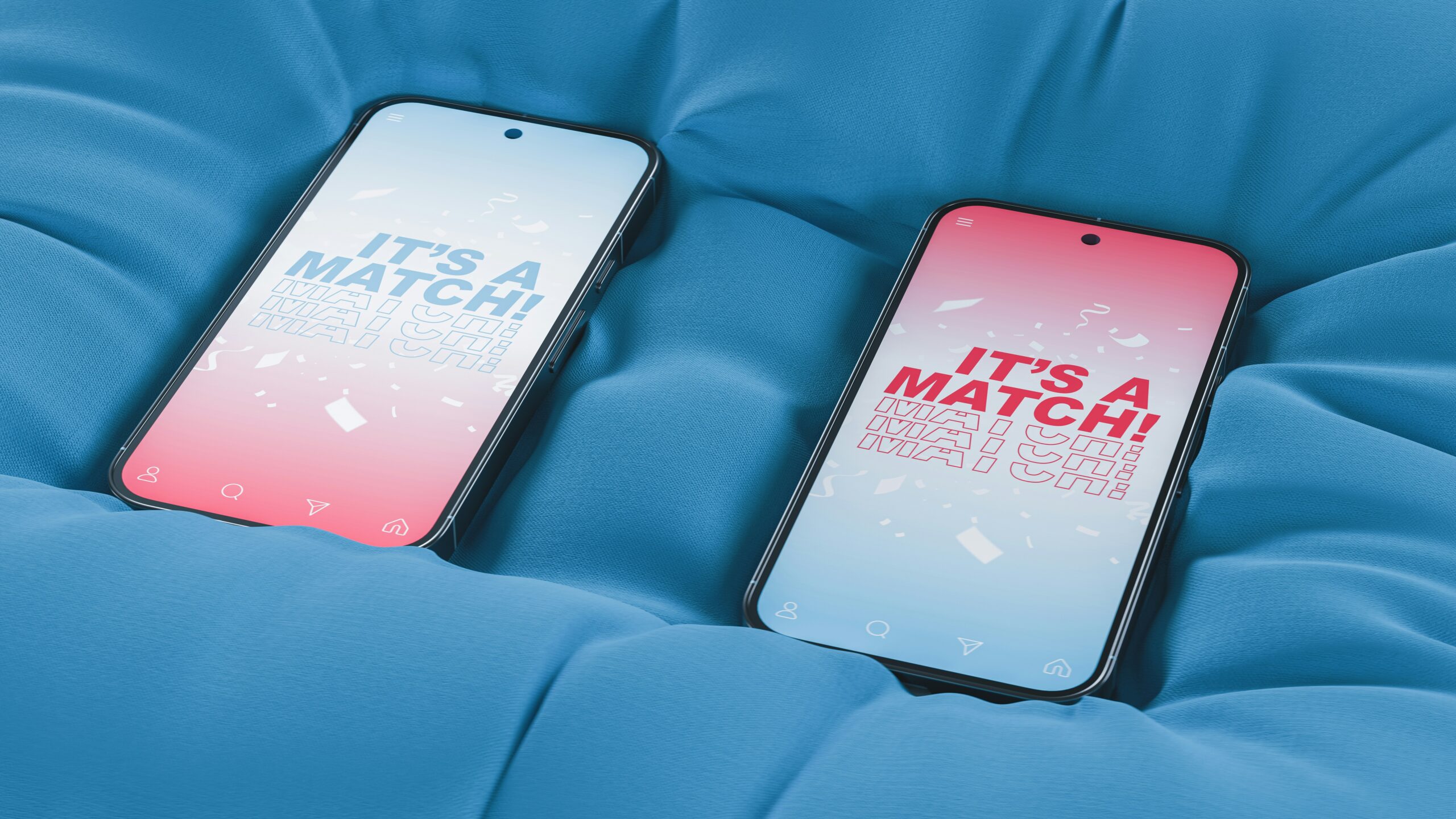
Dating has never offered us more ways to find exactly what we're looking for. We can filter potential partners by age, location, height, political beliefs, lifestyle, and whether they want children. We can swipe through hundreds of profiles without leaving the couch, narrow down our preferences, and theoretically find someone who checks every box.
And yet, for all these options, dating doesn't necessarily feel any easier.
Between endless swiping, conversations that go nowhere, and the constant possibility that someone better is just around the corner, modern dating can feel more exhausting than exciting. Now, with AI companions offering personalized attention, instant responses, and conversations tailored to our preferences, we're entering an entirely new era of romantic expectations.
It's an interesting contradiction. We have more control than ever over who we connect with, but that control doesn't seem to be making us any happier.
Which raises a bigger question: Are we so focused on finding or creating the perfect partner that we're losing sight of what makes real relationships meaningful in the first place?

When Dating Starts to Feel Like Shopping
Dating apps were supposed to make finding love easier. Instead of relying on chance encounters, mutual friends, or meeting someone at a party, we could connect with people we might never otherwise cross paths with.
And in many ways, that's a good thing. Dating apps have expanded opportunities for connection, particularly for people with busy schedules, smaller social circles, or limited dating options in their communities.
But there's a downside to having so many choices.
"Dating-app fatigue makes sense to me because the apps ask us to make an extraordinary number of tiny decisions about people," explains Lisa Opel, resident sex educator at MYLO. "Age, politics, lifestyle, location, children, then swipe, assess, compare, repeat."
After a while, the process can become less about getting to know another person and more about evaluating whether they meet a particular set of criteria.
"Dating can start to feel less like meeting someone and more like processing options," Opel says.
The problem isn't necessarily that we have standards. Knowing what matters to you in a relationship is important. The problem arises when we start approaching potential partners as collections of desirable characteristics rather than complex individuals.
Someone might check every box on your dating profile preferences and still not be a good match. Meanwhile, someone who doesn't immediately fit your imagined ideal could turn out to be an incredible partner.
Chemistry, emotional safety, shared humor, and the ability to navigate difficult moments together aren't always things you can identify from a profile.
And when you're constantly comparing people against an endless list of alternatives, it becomes harder to appreciate the person actually sitting across from you.
Dating App Fatigue Is About More Than Dating
There's another layer to modern dating exhaustion that doesn't get enough attention: we're simply spending a tremendous amount of our lives looking at screens.
We work on our computers, communicate with friends through our phones, scroll social media to relax, and then open another app to find someone to build a relationship with.
"Dating apps trained us to treat people like a catalogue: swipe, filter, sort," says Alicia Sinclair, founder and sex educator at b-Vibe. "But I think there's a bigger exhaustion underneath it, which is screen burnout."
When nearly every aspect of our lives involves digital interaction, the idea of meeting someone in person can start to feel refreshing rather than outdated.
Sinclair points to the appeal of in-person events and more organic opportunities to meet people. Instead of evaluating dozens of profiles, people can experience attraction and conversation as they happen.
Bryony Lees, in-house sex educator at Little Leaf Agency, suggests that people experiencing dating app fatigue give themselves permission to step away.
"Firstly, take a short break. There's no huge rush! Forcing yourself to get on the app and match people for the sake of it won't lead to a genuine connection."
She also recommends trying a different dating app or exploring opportunities like speed dating and singles events.
The goal isn't necessarily to abandon technology altogether. It's to remember that dating should involve curiosity, connection, and enjoyment, not just another task on an already overwhelming to-do list.
The Appeal of a Partner Who Always Understands You
If dating apps have made finding a partner feel like an endless search, AI companions offer something very different.
Instead of searching for someone who meets your preferences, you can interact with a system designed to adapt to them.
AI companions can offer consistent attention, personalized conversations, and the feeling of being understood without the uncertainty that comes with dating another person.
For someone who's tired of being ghosted, misunderstood, rejected, or disappointed, that can be incredibly appealing.
According to Pew Research Center, one in five U.S. adults under 30 say they've used chatbots for emotional support or advice.
Not all of those interactions are romantic, of course. But the finding demonstrates how comfortable younger adults are becoming with turning to technology for emotional needs.
Opel understands why these interactions can feel so comforting.
"AI is attractive for a slightly different reason. It can respond at 2am, reassure you, remember details and let you say something embarrassing without worrying that you're needy, boring or too much."
There's something appealing about a conversation where you don't have to wonder whether you've said the wrong thing or whether the other person is losing interest.
But there's an important distinction between receiving a comforting response and building emotional intimacy with another person.
Real relationships involve two people with independent thoughts, feelings, histories, and needs. They require both people to participate, make decisions, and occasionally put someone else's needs alongside their own.
An AI companion can simulate aspects of that experience, but it doesn't have the same emotional investment or personal agency as a human partner.
And that difference matters.
What Happens When We Expect Real People to Behave Like AI?
Imagine getting used to a partner who responds whenever you want, rarely challenges your perspective, and can adjust their communication style to match your preferences.
Now imagine dating someone who has a stressful day at work, needs an evening alone, or disagrees with you about something important.
The contrast could be frustrating.
"When you get used to something designed to always say yes, to always accommodate you, and to be tuned to whatever makes you happy, it's very hard to then turn to a human being," Sinclair explains.
Of course, not every AI system agrees with everything a user says. But many companion experiences are designed around responsiveness, personalization, and maintaining an engaging interaction.
Human relationships simply don't work that way.
A real partner might forget to text back because they're overwhelmed. They might need emotional support at a time when you're also struggling. They might challenge an opinion you've held for years or ask you to change a habit that affects them.
None of these things automatically indicate a bad relationship.
In fact, learning to navigate different needs and perspectives is part of developing a healthy partnership.
Lees warns that relying heavily on AI companionship could make ordinary human interactions feel disappointing by comparison.
"Those who are used to speaking to an AI bot will ultimately feel disappointed when speaking to a human again as they are used to all the positive things an AI bot brings."
That doesn't mean AI companionship is inherently harmful or that everyone who uses it will struggle with real relationships. The concern is what happens when a highly personalized digital experience becomes the standard against which we measure human connection.
A partner isn't supposed to function like a service designed exclusively around our preferences.
They're supposed to be a person.
The Fantasy of Building the Perfect Partner
The desire to customize a romantic partner isn't entirely new. People have always imagined their ideal relationships, whether through romance novels, movies, celebrity crushes, or elaborate daydreams.
What has changed is how technology allows us to interact with increasingly personalized versions of those fantasies.
That idea is part of what makes Wicker, a film exploring the creation of an idealized partner, such an interesting cultural jumping-off point.
What happens when the person we think we want can be designed around our exact preferences? And what happens when that fantasy encounters the realities of intimacy?
Sinclair sees an important distinction between imagining a perfect partner and actually experiencing a relationship.
"Fantasies tend to live best in our heads. The moment you try to build one in real life, you find out that a partner made entirely of your own preferences can't really know you, because there's no one there to do the knowing."
It's a fascinating observation because so much of attraction is difficult to predict.
You might think your ideal partner has a particular career, personality, or appearance. But then you meet someone whose laugh makes you feel comfortable, whose perspective challenges you, or whose presence feels unexpectedly familiar.
Those experiences don't always fit neatly into a list of preferences.
Opel encountered a similar realization while testing a customizable male sex doll.
"I could choose physical characteristics, which was genuinely fun, but there was no dropdown for 'makes me laugh', 'challenges me', 'has an energy I can't explain' or 'creates that delicious tension between two people'."
She explains that the experience allowed her to explore her own pleasure, but also highlighted something missing from a fully customized encounter: another person's independent presence.
"Attraction turned out to contain a lot of things I couldn't have selected beforehand."
And perhaps that's one of the most important things to remember about dating.
We don't always know what will make us feel connected to someone until we experience it.
Real Intimacy Requires Being Uncomfortable Sometimes
We tend to think about emotional intimacy in terms of feeling safe, supported, and understood.
Those things are essential, but they aren't the entire picture.
Intimacy also involves vulnerability, difficult conversations, misunderstandings, and learning how to reconnect after disagreements.
Sometimes it means admitting that you were wrong. Sometimes it means explaining why something hurt your feelings, even when you'd rather avoid the conversation.
And sometimes it means accepting that another person experiences the world differently than you do.
"Emotional intimacy isn't only being understood on demand; it also grows from slowly learning another person, being misunderstood sometimes, repairing things, and trusting that you can still stay connected afterwards," Opel explains.
This is where the idea of a perfectly customized partner becomes complicated.
If someone always agrees with you, never challenges you, and never asks you to consider another perspective, you might feel consistently validated.
But are you actually developing the skills needed to maintain a relationship?
A healthy relationship isn't defined by the absence of conflict. It's shaped by how both people respond when conflict happens.
That doesn't mean tolerating disrespect, manipulation, or mistreatment. Boundaries and compatibility still matter enormously.
It means recognizing that ordinary discomfort and disagreement aren't necessarily signs that you've chosen the wrong person.
Sometimes they're opportunities to understand each other better.
Are We Missing Out on Personal Growth?
One of the less obvious benefits of a meaningful relationship is how much it can teach us about ourselves.
Being close to another person can reveal habits, assumptions, and emotional patterns we might never notice on our own.
Maybe you discover that you shut down during disagreements because conflict makes you anxious. Maybe your partner helps you recognize that you struggle to ask for help. Or perhaps being with someone who approaches life differently encourages you to reconsider what success, happiness, or stability looks like.
These realizations aren't always comfortable.
But they can be valuable.
"A partner's boundaries can make you better at expressing your needs. Their perspective can expose assumptions you didn't know you had. Conflict can show you where you're defensive, avoidant or unfair," Opel says.
When we build our romantic expectations entirely around what already feels comfortable, we risk limiting those opportunities for growth.
Opel adds, "If everything is customised around who we already are, we may miss some of the people and experiences that would have helped us become someone slightly different."
This doesn't mean you should date someone who fundamentally disagrees with your values or makes you unhappy.
It means there's a difference between choosing someone who's compatible with you and expecting someone to be a perfect reflection of you.
The best relationships often create room for both people to grow, individually and together.

Having Standards Isn't the Same as Expecting Perfection
It's important not to confuse this conversation with the idea that people should lower their standards.
Wanting a partner who communicates well, respects your boundaries, shares your core values, and treats you with kindness isn't asking too much.
You don't have to overlook red flags, accept incompatible life goals, or settle for a relationship that doesn't meet your emotional needs.
But there is a meaningful difference between having healthy expectations and expecting someone to meet every preference without compromise.
Sinclair shares a memorable piece of advice from her mother: "You're looking for someone whose baggage fits in your overhead bin, and whose overhead bin has room for yours."
It's a funny way to describe a serious truth.
Everyone brings their own experiences, insecurities, habits, responsibilities, and emotional needs into a relationship.
Finding a compatible partner isn't about discovering someone who has none of those things. It's about finding someone whose life and values can work alongside yours, and who is equally willing to make room for you.
Lees emphasizes that there's no such thing as a perfect partner and that meaningful relationships require effort from both people.
You might need to reconsider how you communicate, learn to compromise, or adjust to sharing your life with someone after spending a long time being single.
And your partner will need to do the same.
The goal isn't to find someone who never requires compromise. It's to find someone with whom the effort of building a relationship feels worthwhile and mutual.
How to Date Without Getting Caught Up in the Search for Perfect
So how do we navigate a dating culture that encourages endless comparison while still being intentional about what we want?
It starts with recognizing which expectations are essential and which ones are simply preferences.
Shared values, mutual respect, emotional availability, and compatible long-term goals deserve serious consideration. A particular height, hobby, or perfectly worded dating profile might not matter nearly as much once you get to know someone.
It can also help to approach dating with curiosity rather than a checklist.
Instead of asking whether someone meets every requirement after a first date, consider how you felt around them. Were you comfortable being yourself? Did the conversation feel interesting? Were you curious to learn more?
Not every promising connection creates instant fireworks.
And not every exciting first date leads to a healthy relationship.
Taking breaks from dating apps can also help you reconnect with what you actually want rather than what an algorithm keeps presenting to you.
If you're interested in AI companionship, it's worth reflecting on the role it plays in your emotional life.
Does it help you explore your feelings, understand your preferences, or practice expressing yourself? Or are you increasingly avoiding real conversations because they feel less predictable and rewarding?
There's no need to shame yourself for seeking comfort or connection through technology. But it's useful to notice when a tool starts replacing experiences you genuinely want to have with other people.
And finally, remember that dating doesn't have to be a constant project of self-optimization.
You don't need the perfect profile, the perfect opening message, or the perfect strategy to be worthy of a meaningful relationship.
You need opportunities to connect with people who are also willing to show up as themselves.

Maybe the Imperfections Are the Point
It's understandable that we're drawn to the idea of a perfectly customized partner.
Modern life is busy, dating can be discouraging, and the possibility of avoiding rejection or emotional uncertainty sounds appealing.
But relationships aren't meaningful simply because another person makes us happy all the time.
They're meaningful because someone with their own thoughts, needs, and experiences chooses to build something with us.
They see our imperfections and allow us to see theirs. They challenge us, support us, frustrate us occasionally, and grow alongside us.
There's something deeply valuable about being loved by someone who isn't programmed to respond exactly the way we want.
Technology may continue to change how we meet people, explore attraction, and experience companionship. And some of those changes may offer genuine benefits.
But the ability to customize every detail of an interaction doesn't necessarily bring us closer to the kind of intimacy we're looking for.
Maybe the answer to modern dating fatigue isn't another filter, a more sophisticated algorithm, or a partner designed to match our every preference.
Maybe it's remembering that real connection isn't something we can fully customize, because the other person gets to be a person, too.
And that's what makes it worth pursuing.