
Why Shared Experiences Matter More Than Ever
Something has shifted in how people in the UK choose to spend their money and their time. The pursuit of things is giving way to the pursuit of moments, and research backs up what many of us already sense. Shared experiences are becoming central to how people find connection, meaning, and wellbeing.
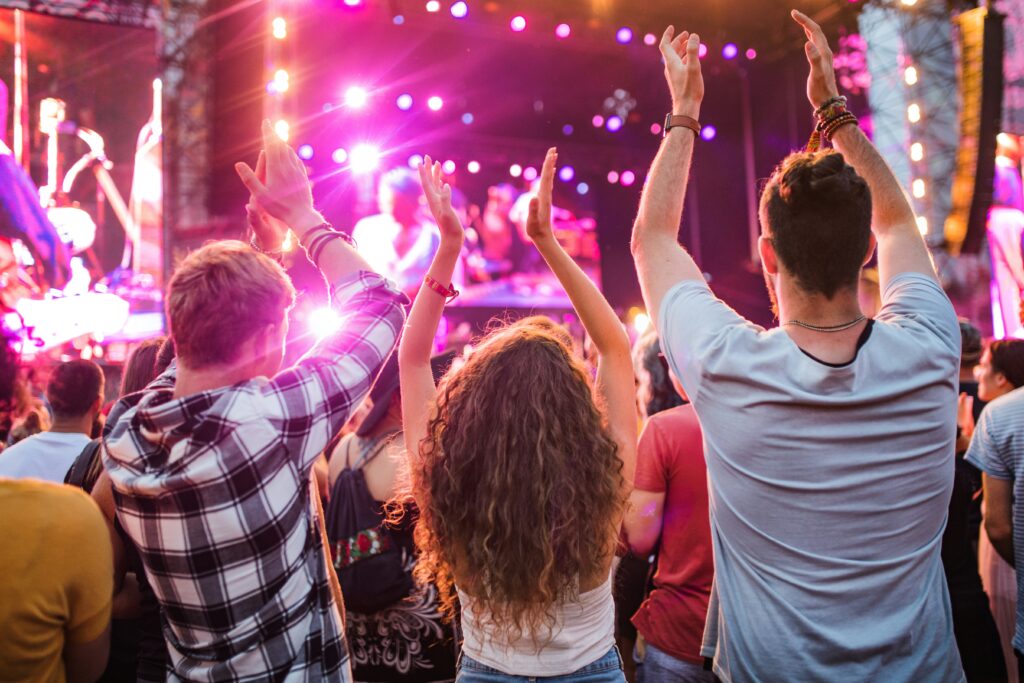
1. People are prioritising experiences over possessions
The so-called experience economy has moved well beyond a buzzword. According to Mastercard's research, half of British consumers planned to spend more on experiences in 2024 than the previous year, with four in five saying that spending on experiences is usually or always worth it. A further 40% said that how unique or "one of a kind" an experience feels would be a deciding factor in how they spend.
The shift is structural instead of seasonal, and the share of spending on experiences across Europe grew from 19% of total spend in 2019 to 22% in 2023, while spending on material goods remained flat. For many consumers, a memorable evening with friends or family now holds more lasting value than any product they could buy.
2. Live events create stronger emotional connections
Live events offer something that digital life cannot: genuine shared presence. Whether it is a concert, a sporting fixture, or a community gathering, being in a crowd with people who care about the same thing creates a sense of belonging that lingers long after the event ends.
This matters more than ever at a time when loneliness is a growing public health concern. The WHO's Commission on Social Connection found that loneliness affects one in six people worldwide, contributing to an estimated 871,000 deaths each year. Live experiences offer a direct and meaningful counterweight to that isolation, strengthening the social bonds that underpin personal wellbeing.
3. Hospitality and premium experiences are becoming more popular
As the appetite for live events grows, so does demand for elevated ways to enjoy them. Matchday hospitality, premium dining packages, and VIP access have become part of a broader trend towards experience-led leisure spending, where people invest not just in attendance but in making the occasion genuinely memorable.
Liverpool FC hospitality tickets, for instance, offer fans a way to experience one of the country's most iconic clubs in a setting designed around comfort and occasion, which is the kind of premium shared experience that defines how people mark special moments with those they care about.
4. Shared experiences are playing a bigger role in modern social culture
Social media has intensified the value placed on in-person moments, creating a culture in which experiences are both lived and shared. The rise of passionate fan communities, built around sport, music, and culture, has generated genuine demand for events that feel participatory rather than passive. People want to be part of something together, and they want it to be worth remembering.
The things we own fade in significance over time. The moments we share with others rarely do.