
Why Millennials Are Putting Experiences Ahead of Traditional Travel Luxury
For as long as many of us can remember, the aspirational holiday was a five-star hotel, poolside service and perhaps a business-class seat getting you there. Of course, plenty of travelers still enjoy all those things, but the definition of a memorable trip is becoming broader.
For many millennials, the experience itself increasingly matters more than how luxurious the hotel lobby looks.
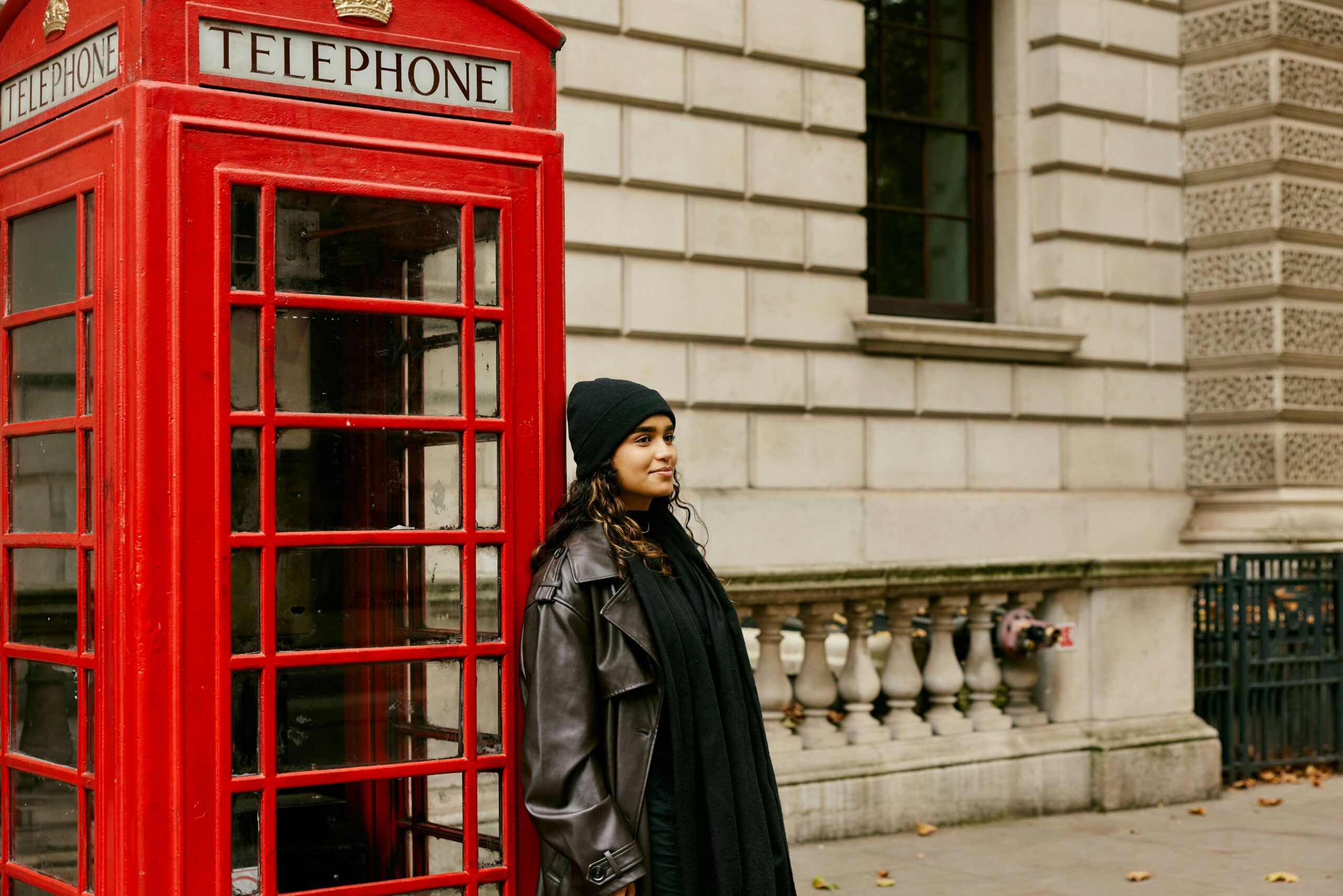
How Millennial Travel Priorities Have Changed
Millennials have reached that stage of life where travel often competes with mortgages, childcare, careers and the general rising costs associated with being an adult. That doesn’t appear to have killed the appetite for getting away. Instead, it’s encouraged many people to think more carefully about what they want their money to buy.
There’s an appetite now for new destinations and memorable activities, with younger adults particularly open to travelling somewhere unfamiliar. That helps explain why experience-led travel continues to influence destination choices. The hotel still matters, of course, but it may now be one part of the trip rather than the main event.
Why Experiences Matter More Than Status Symbols
Luxury used to be closely associated with visible signs of expense. Today, a trip can feel special because of access, discovery or the story attached to it. That might mean eating in a tiny family-run restaurant, learning to surf, seeing a band abroad or finally visiting somewhere that has been sitting on a wish list for years.
Recent British consumer trends also suggest people are increasingly willing to prioritize memorable experiences over material treats. This doesn’t mean millennials dislike comfort. They might simply be less interested in paying for luxury purely for its own sake.
The Appeal of Flexible and Independent Travel
Independent travel also gives people more control over where their budget goes. One night might involve an excellent restaurant, while the next is spent cooking somewhere inexpensive. A carefully planned itinerary can suddenly be abandoned because somebody recommends a beach, market or village you hadn’t considered.
That flexibility can make the holiday feel more personal. Rather than buying somebody else’s idea of the perfect trip, travelers can shape the experience around their own interests.
Why Motorhome Adventures Fit the Mood
Motorhome travel sits neatly within this shift because the journey itself becomes part of the holiday. Travelers can change direction, stay longer somewhere they love and combine countryside, coast and towns without repeatedly checking in and out of accommodation.
There’s practical planning involved, naturally. Routes, campsites and driving requirements all need thought, while checking suitable motorhome insurance for an extended UK or European road trip should be part of the preparation rather than something considered once the bags are already packed. The appeal is the freedom that comes afterwards. Breakfast might be beside the sea, lunch halfway through a walk and tomorrow’s destination decided over dinner.
The Future of Travel is Personal
Luxury travel isn’t disappearing, but it is changing. What seems to be changing more than anything is the idea that expense alone makes a trip special. For many millennials, the holiday worth talking about afterwards is the one that produced a great story, introduced them to somewhere unexpected or allowed them to do something they’d never tried before.
The ultimate travel status symbol may no longer be where you stayed. It might simply be what you did while you were there.