
7 Wellness Habits Worth Adding to Your Self-Care Routine
Self-care often gets reduced to what happens in the bathroom mirror: applying a serum, putting on a face mask, or finally remembering to moisturize before bed. Those rituals can certainly have a place, but taking care of yourself extends well beyond skincare.
A well-rounded self-care routine also considers how you sleep, move, eat, manage stress, and care for your body. Instead of adding endless products and complicated rituals, the goal is to build a few habits that genuinely support your everyday well-being.
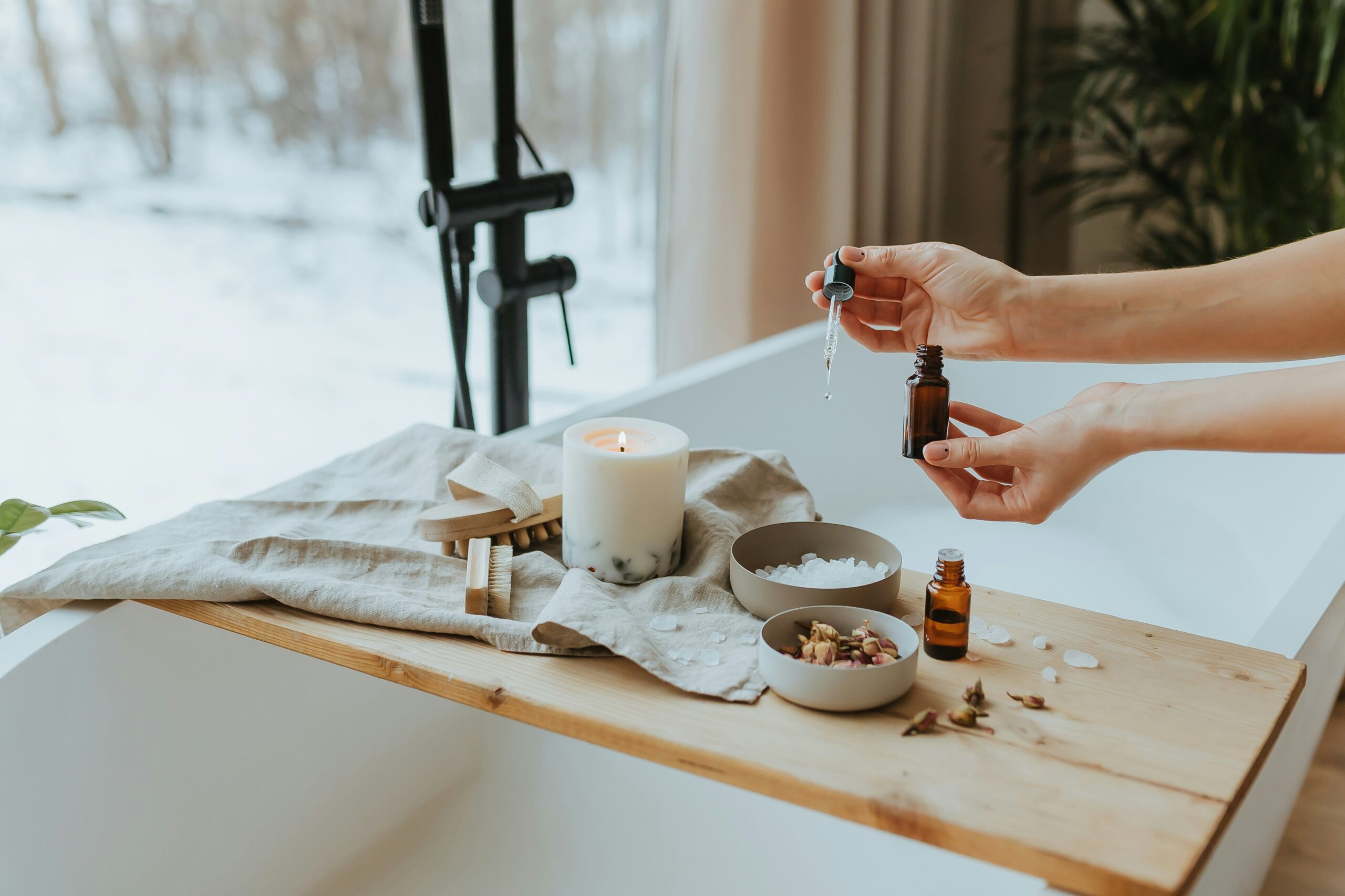
1. Treat Sleep as Part of Your Beauty Routine
You can spend plenty of time perfecting an evening skincare routine and still overlook one of the simplest nighttime habits: giving yourself enough time to rest.
Start by making the hour before bed feel noticeably different from the rest of your day. Dim the lights, put your phone away, take a warm shower, read, stretch, or prepare what you need for the morning. Keeping roughly consistent sleep and wake times can also make your routine easier to maintain.
Your nighttime beauty ritual can become part of this transition. Rather than rushing through cleansing and moisturizing, use those few minutes as a cue that the day is winding down.
2. Find Movement You Actually Enjoy
Self-care doesn’t have to mean slowing down; sometimes, it means getting up and moving.
The key is choosing movement that fits naturally into your life rather than forcing yourself through a routine you dread. That could mean walking while listening to a podcast, dancing around the house, taking a yoga class, swimming, cycling, or doing strength exercises.
It can also help to stop thinking of exercise as something that only “counts” when you complete a full workout. A short walk at lunchtime or a few minutes of stretching after sitting at a desk all afternoon still adds movement to your day. Making the habit manageable gives you a better chance of sticking with it.
3. Make Everyday Nutrition Easier
A realistic wellness routine should include what happens in the kitchen, but that doesn’t mean you have to stick to a restrictive diet or prepare elaborate meals every day.
Instead, focus on making nutritious choices convenient. Keep simple foods you enjoy within reach, plan a few dependable meals for busy days, and carry water when you’re likely to be out for several hours.
Preparation is important. Washing fruit in advance, having easy snacks available, or preparing tomorrow's lunch while making dinner can remove some of the decisions you have to make when you’re already tired or hungry.
4. Be More Intentional About Wellness Products
It’s easy to accumulate wellness products simply because they’re trending. Supplements, botanical extracts, oils, gummies, and topical products can all look appealing, but adding more products doesn’t necessarily mean you’re taking better care of yourself.
Before buying something new, think about what role you actually want it to play in your routine. Check the ingredient list, serving information, suggested use, and any available product testing. This can help you make decisions based on what you’re looking for rather than simply following the latest wellness trend.
If you’re exploring hemp-derived products, for example, it’s best to look at the different formats available and choose one that fits naturally into your routine. There are so many available, it can feel overwhelming, so if you’re looking for the convenience of variety all in one place, look for a company like Cypress Hemp (https://www.cypresshemp.com/) that offers all the formats and flavors, including oils, capsules, beverages, gummies, and topicals.
The goal isn’t to fill your bathroom cabinet with every wellness product you see online. It’s to make thoughtful choices about what actually fits your lifestyle.
5. Give Body Care the Same Attention as Skincare
Facial skincare tends to get most of the attention, while the rest of the body makes do with a hurried application of lotion. Expanding your routine can be as simple as treating body care as its own ritual.
After showering, take a moment to moisturize areas that tend to become dry. Pay attention to your hands, feet, elbows, neck, and shoulders instead of stopping at your face.
Massage can fit naturally here, too; you don’t necessarily need a spa appointment. Taking a few minutes to massage your hands, feet, shoulders, or legs with a body lotion or massage oil can create a useful pause at the end of a long day. The point is not to build another elaborate routine, but to pay attention to parts of your body that are easy to neglect.
6. Have Small Breaks From Constant Stimulation
Self-care can also involve deciding what you temporarily switch off.
Notifications, emails, social feeds, news, and entertainment can fill nearly every quiet moment if you let them. Try creating small periods when you deliberately step away from screens and other demands.
Perhaps try leaving your phone behind when you go on a walk, eat lunch without scrolling, spend 10 minutes journaling, have your morning coffee outside, or turn notifications off while you’re getting ready for bed.
These breaks don’t have to be lengthy to become meaningful. What matters is creating moments when you’re not constantly responding to something.
7. Build a Routine You Can Maintain
A seven-step morning routine, elaborate meal plan, daily workout, and perfectly scheduled evening ritual may look appealing on paper. But in practice, a routine that demands too much can quickly become another source of pressure.
Start with one or two habits that address what you currently need most. Maybe that means establishing a consistent bedtime, going on a walk after lunch, preparing breakfast the night before, or putting your phone away during your evening skincare routine.
Final Thoughts
Ultimately, self-care works best when it fits around your actual life. Skincare can remain part of that picture, but it doesn’t have to be everything. Sleep, movement, nourishing food, thoughtful body care, intentional purchases, and genuine downtime can all earn a place alongside your favorite cleanser and moisturizer.
The best routine is not the one with the most steps; it’s the one you can return to consistently and adapt as your needs change.