What’s the Best Way to Budget for a Home Addition?
Home addition are exciting because the idea is simple. It means there’s a lot more space to furnish your home, it means you’ll have a better layout, less “this house is fine, but it’s driving everyone insane” energy. Yeah, houses sometimes have that. But the budgeting part can get real, real fast. Like, a lot of people go into an addition thinking the main cost is the build itself, framing, windows, finishes, labor, that sort of thing. Granted, it makes a lot of sense to think that way, but it’s not really that simplistic here.
Usually, what happens is that the quote comes back, or the project starts, and extra costs pop up that weren’t even on the radar. Yeah, that happens. Now, by all means, here it’s horrendously frustrating; who wouldn’t be mad about that? It’s basically financial whack-a-mole at that point. So the goal is to budget in a way that makes room for the stuff that tends to show up, not just the fun visible parts.
Start with the “Obvious” Costs, then Get More Realistic
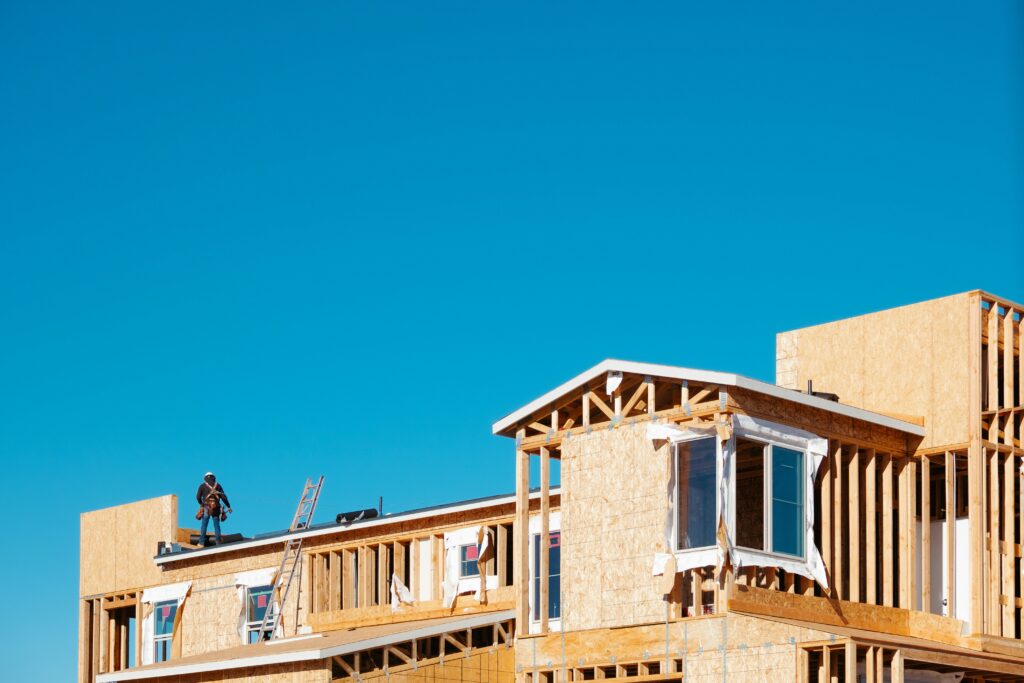
Okay, so the obvious costs are the easy ones to picture. Like the extra room, the bigger kitchen, the new bathroom, and the expanded living space. That’s the part people get attached to, because it’s the point of the addition. But it helps to think in layers. Like, there’s the structure, then there’s everything that supports the structure. That means plans and approvals, engineering, design fees, builder margin, and the materials that don’t get posted on Pinterest (yes, because it can't always be about aesthetics here).
Oh, and depending on the size and complexity, it may also mean temporary living arrangements, because living through an addition sounds brave until the kitchen is gone and there’s dust in places nobody knew existed. Now, with that part said, an early budget shouldn’t just be based on best-case pricing. That’s not really the best mindset for all of this.
There’s Lots of Hidden Costs
And those absolutely catch people off guard, too. But yeah, unless you’ve dealt with this before, you’re going to get blindsided, your budget will absolutely get blindsided. Well, it’s not technically hidden costs or anything like that; rather, they’re just the parts people don’t think about until someone brings them up.
It’s usually ideal to look into land assessments first because when it comes to a home addition, there might be roadblocks to where there’s site work, drainage changes, extra excavation, soil issues, relocating plumbing, updating electrical, and dealing with surprises when walls are opened up. Yeah, it’s a bit of a list, but you get the point. Oh, and to make things worse, older homes love surprises, you better believe it.
Make the Quote Comparable
In what way? Well, quotes can be misleading if they don’t include the same scope. For example, maybe one builder might include certain site work allowances, another might not. Frustrating, right? And one might include permits or disposal, another might list them as exclusions. So comparing quotes only by the final number can be a trap, because the cheaper quote isn’t always cheaper; it’s sometimes just missing things.
It helps to ask what’s included, what’s excluded, what allowances are being used, and what could change once the project starts. That way, the budget isn’t built on assumptions; it’s built on clearer information.
At the end of the day, budgeting for a home addition isn’t about killing the excitement, it’s about protecting it. When you plan beyond the obvious costs and leave room for the not-so-glamorous stuff, you’re far less likely to feel stressed, blindsided, or stuck making compromises halfway through the project. A realistic budget gives you flexibility, confidence, and peace of mind, which honestly matters just as much as the extra square footage. Go in informed, ask the right questions early, and build a buffer for the unexpected. Your future self (and your bank account) will thank you.