
What To Expect From a Private Orthodontic Consultation
Private orthodontic consultations can feel a little mysterious if you’ve never had one. Will you be “sold” a treatment on the spot? Do you need X-rays? How long does it take? The reality is far more straightforward: a good consultation is an information-gathering appointment designed to answer one question—what’s the safest, most efficient way to achieve the outcome you want?
Below is what typically happens, how to prepare, and how to make sure you leave with real clarity rather than a vague promise of “a better smile.”
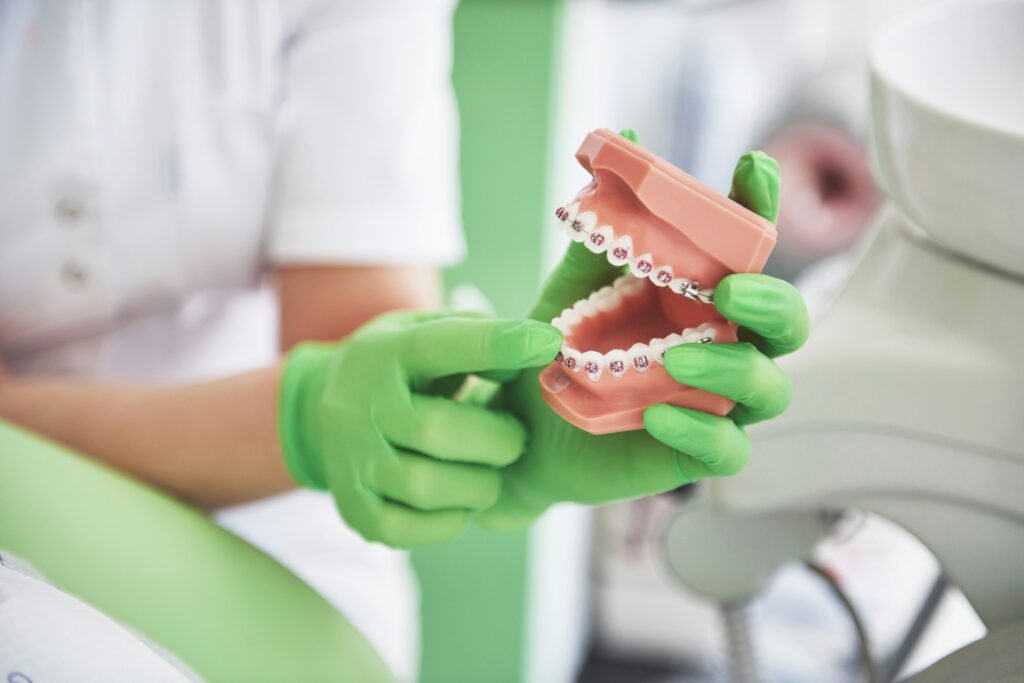
Why a private orthodontic consultation is different
In a private setting, you’re usually paying for time, choice, and detail. That doesn’t necessarily mean “more treatment”—it means more opportunity to explore options and trade-offs.
A thorough orthodontic consult should cover:
- Your bite function (how your teeth meet and move), not just straightness
- Treatment pathways (including doing nothing)
- How different appliance types suit your lifestyle
- The limits of what can be achieved safely in your timeframe
Orthodontics is a balance of aesthetics, biology, and mechanics. A responsible clinician won’t promise perfection; they’ll explain what’s realistic and what’s risky.
Before you go: how to prepare (and what to bring)
Most clinics will ask for basic medical and dental history. Don’t gloss over this—details like gum disease history, jaw clicking, migraines, mouth breathing, reflux, or previous dental trauma can all influence the plan.
A few practical steps help you get more from the appointment:
Have your goals ready—without over-prescribing the solution
Instead of “I want Invisalign,” try: “My front teeth overlap and I don’t like how my smile looks in photos,” or “My bite feels uneven on the right side.” Your Greensboro orthodontist can then advise whether aligners, fixed braces, or another approach best fits the problem.
Bring context if you have it
If you’ve had recent X-rays at your dentist, or you’ve been told you have impacted teeth, gum issues, or jaw concerns, mention it upfront. Even small details can change the diagnostic route.
During the consultation: what actually happens
Most private consultations take 20–45 minutes, depending on how complex things are and whether records are taken the same day. A well-run appointment usually moves through three phases: assessment, records, then planning.
Clinical assessment: teeth, bite, and jaw function
Expect a close look at:
- Crowding and spacing
- Overbite/overjet (vertical and horizontal relationships)
- Midline alignment (upper vs lower)
- Tooth wear, gum health, and hygiene
- Jaw movement and joint symptoms (TMJ)
This part may include photos and a quick measure of how much space is available versus how much space is needed. If you’ve had jaw pain, headaches, or frequent clenching, say so—orthodontic mechanics can interact with those issues.
Records: scans, photos, and sometimes X-rays
Many clinics now use digital scans rather than traditional impressions. Scans are faster, more comfortable, and create a 3D model that’s useful for planning and monitoring.
X-rays aren’t always taken at the first visit, but common ones include:
- Panoramic X-ray (OPG): checks roots, impacted teeth, and overall dental health
- Cephalometric X-ray: side profile used to assess jaw relationships and growth patterns
If you’re considering treatment for functional reasons (not just aesthetics), these records often matter.
Treatment discussion: options, constraints, and what suits your life
This is where a private consultation should earn its keep. You should hear more than one pathway when appropriate, along with the reasoning behind each.
A clinician might compare:
- Clear aligners vs fixed braces for certain movements (e.g., rotations, vertical control)
- Whether space should be created by expansion, enamel reduction (IPR), or extractions
- The likely impact on facial profile and lip support
- How long treatment may take and what could slow it down (missed wear, broken brackets, delayed appointments)
If you want a good example of how practices outline options and what a consult can cover, see resources from Boston Orthodontics, which reflect the broader shift toward scan-led planning and transparent conversations about suitability.
Cost and timelines: what you should expect to hear
A private consult should include a clear fee range and what it covers (records, retainers, reviews, refinement, emergency visits). Watch for ambiguity here—not because it’s a “gotcha,” but because orthodontic costs can vary depending on complexity and whether additional steps are needed.
You should also hear about retention. Teeth move throughout life; retainers are not an optional add-on if you want stable results.
Common outcomes of the first appointment
Not everyone walks out with a start date. That’s normal. A quality consult often ends with one of these outcomes:
1) You’re ready to proceed pending records
If your case is straightforward, you may be able to book records and a fitting date quickly.
2) You need further investigation first
This can include periodontal (gum) assessment, restorative work, or referral if there are jaw discrepancies that might benefit from a multidisciplinary plan.
3) You’re advised to wait—or not treat
This is underrated. If the risk outweighs the benefit (for example, moving teeth aggressively in compromised gums), an ethical orthodontist will say so.
After the consultation: what you should receive
Depending on the clinic, you may get a written summary, a treatment letter, or a digital plan proposal. At minimum, you should leave understanding:
- What’s happening with your bite and alignment
- What your realistic treatment options are
- Estimated timeframes and the main variables
- What “success” looks like for your specific goals
- The retention plan after active treatment
If you leave feeling rushed or unclear, ask for clarification or book a second consult. This is your face and your bite—being picky is sensible.
Smart questions to ask (so you don’t miss the essentials)
Here are a few that reliably separate a “quick chat” from a true clinical plan:
- What are the main risks in my case (root resorption, gum recession, black triangles, relapse)?
- Will I need attachments, elastics, IPR, or extractions—and why?
- How will you monitor tooth roots and gum health during treatment?
- What happens if I’m not happy at the end—are refinements included?
- What retainers do you recommend, and how often will they be reviewed?
The bottom line
A private orthodontic consultation should feel like a careful diagnosis and a planning session, not a sales appointment. The best ones leave you with a clear map: where you are now, what’s possible, what it will take, and what to watch out for. If you get that level of clarity, you’re already on the right track—whether you decide to start treatment immediately or take time to think it through.