The Benefits of a Professional Hearing Check
London is an extraordinary place to live and work—energising, fast-moving, and, yes, loud. From the Northern line screech to after-work drinks in packed pubs, the city’s soundscape is part of the charm. The catch is that gradual hearing changes often blend into that background. You start asking people to repeat themselves, turning the TV up “a bit,” or finding yourself oddly tired after meetings. Is it the room acoustics? The pace of work? Or is your hearing doing something new?
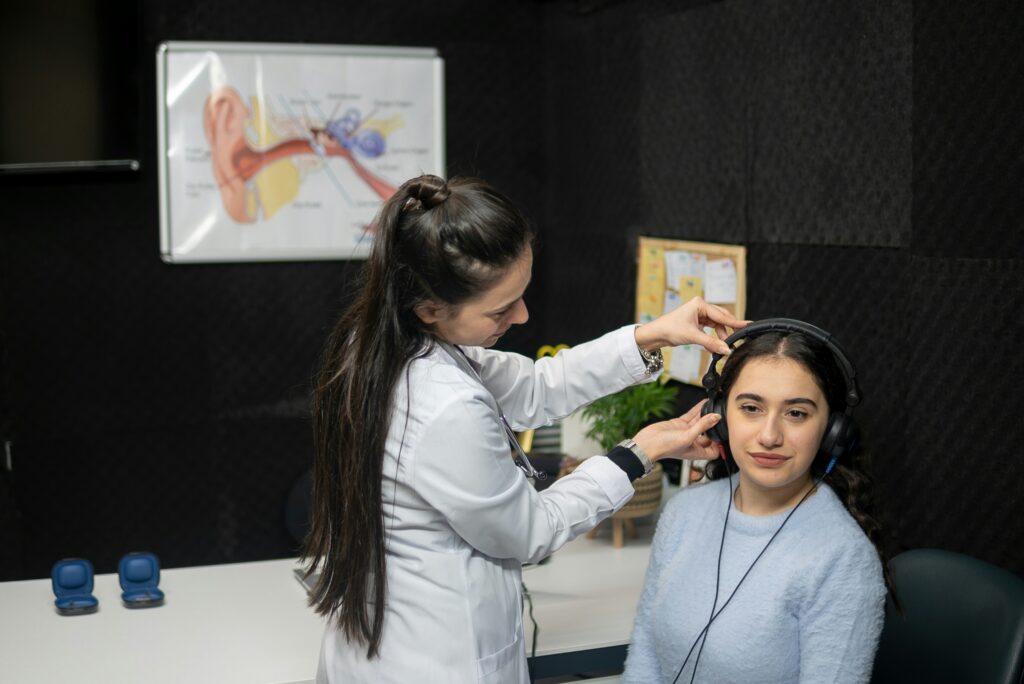
A professional hearing check cuts through the guesswork. It’s not just about confirming whether you can hear a faint beep in a quiet booth. It’s about understanding how your hearing behaves in real life—speech in noise, clarity, balance between ears, and whether anything medical needs attention. If you’re considering a baseline or you’ve noticed changes, a complete hearing assessment for adults can be a practical, confidence-building step—especially in a city where daily listening demands are high.
Why Londoners are especially prone to “hidden” hearing strain
Most people associate hearing loss with ageing, but urban living adds extra layers. Noise exposure isn’t only a nightclub problem; it can be the sum of many smaller, repeated hits. Busy roads, construction, public transport, gyms with loud music, and even open-plan offices all contribute to listening fatigue.
Two trends are worth keeping in mind:
- Hearing loss is common and under-identified. Globally, the World Health Organization estimates over 1.5 billion people live with some degree of hearing loss. In the UK, hearing changes are widespread, yet many adults wait years before seeking help—often because the shift is gradual.
- “Normal” hearing in quiet doesn’t guarantee easy hearing in real life. You might pass casual self-checks at home, but still struggle in restaurants or on calls. That’s because speech-in-noise ability can drop before you notice obvious volume issues.
A professional check is designed to detect those subtler patterns early—when small changes in habits or protection can make a big difference.
What a professional hearing check actually gives you (beyond a pass/fail)
A good assessment is more like a health review than an exam. Yes, you’ll get measurements—but you’ll also get context.
A baseline you can compare against later
If you’ve never had a formal test, you’re essentially guessing what “normal for you” looks like. Establishing a baseline in your 30s, 40s, or 50s is surprisingly useful. If you retest in a couple of years, you can see whether any change is stable, temporary, or trending in a direction worth acting on.
This is especially relevant in London, where your sound exposure can vary wildly depending on commuting patterns, work venues, and leisure activities.
Clarity on speech understanding, not just volume
Many adults don’t struggle with loudness—they struggle with clarity. Consonants like “s,” “f,” “t,” and “sh” can blur, making words feel muffled even when they’re technically loud enough. A professional test can help distinguish between:
- Reduced sensitivity to certain frequencies (common in noise exposure and age-related changes)
- Asymmetry between ears (one ear performing noticeably worse)
- Issues that may point to something medical needing review
That distinction matters because solutions differ. Turning things up is not the same as hearing clearly.
A check for earwax, infections, and other fixable problems
It’s easy to overlook the practical stuff: blocked ears after a cold, persistent itchiness, pressure, or one-sided muffling. Sometimes the issue is as simple as wax build-up or fluid behind the eardrum—things that can be treated, monitored, or referred appropriately.
A professional assessment typically includes looking in the ear canal and considering symptoms, not just running a tone test and sending you on your way.
The real-life benefits: work, relationships, and mental energy
Hearing isn’t only about ears; it’s about bandwidth. When you’re working harder to decode speech, you have less energy left for everything else.
Better performance in meetings and calls
Hybrid work has made listening harder, not easier. Video calls compress sound, people talk over each other, and laptop microphones flatten speech cues. If you’ve been compensating by nodding along and filling gaps from context, a hearing check can explain why workdays feel more draining than they used to.
When you understand your hearing profile, you can adjust your setup—headphones, captions, meeting seating, or microphone choices—based on evidence rather than hunches.
Less social withdrawal (and fewer misunderstandings)
Many people quietly avoid situations that expose hearing difficulty: crowded restaurants, large family gatherings, or pub quizzes where everyone shouts at once. Over time, that avoidance can chip away at confidence and connection.
A professional check gives you options early—communication strategies, hearing protection advice, or, where appropriate, tailored technology. Even when no intervention is needed, the reassurance alone can change how you approach social settings.
Reduced listening fatigue
Listening fatigue is real. Straining to hear forces your brain to work overtime, especially in noisy environments. People often describe it as feeling irritable, spaced out, or “done” after socialising. Identifying a hearing issue (or ruling one out) is a direct route to reducing that mental load.
When should you book a check? A practical guide
If you’re unsure whether it’s “worth it,” use real-world triggers rather than waiting for a crisis. Consider booking if any of these sound familiar:
- You frequently ask people to repeat themselves, especially in busy places
- You can hear voices but miss parts of words (clarity issues)
- You rely more on subtitles than you used to
- Friends or family mention your volume (TV, phone, speaking)
- You struggle more with higher-pitched voices (often women’s/children’s voices)
- One ear seems consistently weaker, blocked, or “different”
- You experience ringing or buzzing (tinnitus), even intermittently
That’s a broad list, but the point is simple: you don’t need to be “bad enough” to deserve answers.
Making the most of your appointment in London
A little preparation makes a hearing check far more useful.
Bring listening examples from your daily life
Instead of saying “I can’t hear well,” note where it happens: on the Tube, in open-plan offices, in specific cafés, on phone calls, or only when people face away from you. Those details help the clinician interpret results and tailor advice to the listening environments you actually deal with.
Ask about next steps, even if results are normal
Normal results are good news—but you can still learn a lot. Ask what to monitor, how often to retest, and what hearing protection makes sense for your routine (gigs, cycling in traffic, DIY, or frequent commuting).
Don’t ignore asymmetry or sudden changes
If one ear drops suddenly, or you notice rapid deterioration, treat it as time-sensitive and seek medical advice promptly. A professional hearing check can help identify when something needs escalation rather than watchful waiting.
The bottom line: clarity is a health win, not a luxury
A professional hearing check is one of those deceptively simple actions that pays off in multiple parts of life. It can confirm you’re fine, catch early changes before they become disruptive, and reduce the mental effort of getting through the day in a noisy city.
London asks a lot of your ears. Giving them a proper check—rather than guessing, compensating, and hoping—often turns out to be the most efficient way to protect your energy, your relationships, and your long-term hearing health.